
How Can a Retail Display Racks Manufacturer Improve Store Layout?
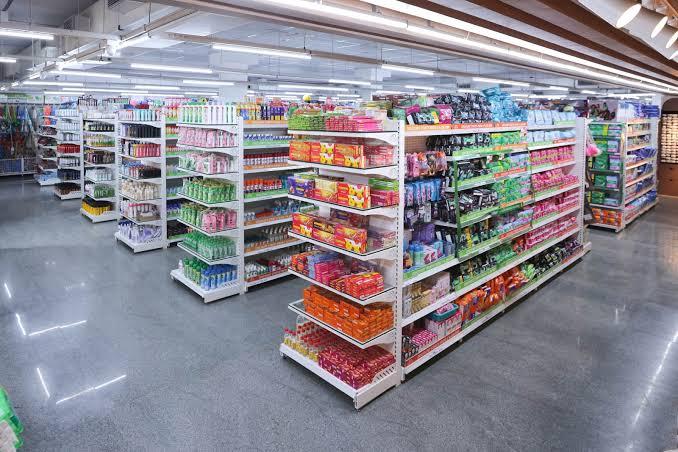
Creating a More Organized Store Environment
A well-planned store layout makes it easier for customers to move around, find products, and explore different sections without confusion. Display racks play an important role in creating this organized environment because they provide dedicated spaces for arranging merchandise. A retail display racks manufacturer can develop rack solutions based on product dimensions, available floor space, store category, and branding requirements. From supermarkets and fashion stores to electronics showrooms and pharmacies, properly designed racks can help businesses create a cleaner, more structured, and customer-friendly shopping environment.
Making Better Use of Available Floor Space
Retail stores often need to display a large number of products within a limited area. Poorly planned fixtures can make a store feel crowded and restrict customer movement. Customized racks can help retailers use vertical and horizontal space more effectively while maintaining comfortable pathways. Different rack heights, shelf configurations, and modular designs can be selected according to the store's requirements. By planning the placement of fixtures carefully, businesses can create distinct product zones without wasting valuable floor space. This approach allows retailers to balance product capacity with accessibility.
Improving Product Visibility and Accessibility
Customers are more likely to notice products when merchandise is displayed at an appropriate height and arranged in an easy-to-understand manner. Display racks can help retailers organize products according to categories, sizes, colors, brands, or usage. Clear product presentation allows shoppers to compare different options without unnecessary effort. Shelves can also be positioned to keep frequently purchased products within convenient reach. A thoughtful display arrangement can make browsing more comfortable while helping staff restock merchandise efficiently. Good visibility and accessibility therefore contribute to a smoother shopping experience.
Designing Layouts Around Customer Movement
Customer movement should be considered when planning a retail interior. Narrow aisles, poorly positioned racks, or overcrowded displays can make navigation uncomfortable. Retail fixtures should allow customers to move naturally from one section to another while giving them enough room to browse. Rack placement can also guide shoppers toward important product categories, promotional areas, or checkout sections. By studying the store's entrance, pathways, high-traffic areas, and product zones, retailers can develop a layout that supports natural movement. This creates a more pleasant environment without sacrificing useful display space.
Creating Attractive Storefront Experiences
The storefront is often the first physical interaction customers have with a retail brand. An attractive exterior can encourage people to enter and explore the store. Lighting, displays, signage, and product presentation can work together to create a recognizable visual identity. Businesses seeking illuminated branding solutions may work with a neon signs manufacturer in noida to develop customized signs for storefronts, interiors, promotional areas, or reception spaces. Well-planned illuminated signage can complement retail fixtures and create a stronger connection between the store's physical appearance and its brand identity.
Supporting Stronger Brand Presentation
Retail fixtures are not simply functional storage systems; they can also become part of a brand's visual presentation. Consistent colors, finishes, materials, and fixture styles can help create a cohesive appearance throughout a store. Businesses can customize racks to match their interior theme and product positioning strategy. When shelving, signage, lighting, and product displays work together, the store can appear more professional and visually consistent. This can help customers understand different sections and recognize the brand's personality while they browse the merchandise.
Using Signage to Improve Store Navigation
Signage can make a retail layout easier to understand, especially in larger stores with multiple departments. Directional signs can help customers locate categories, services, checkout areas, entrances, exits, and other important facilities. Businesses operating in busy commercial locations may also use illuminated signage to improve visibility during evening hours. An led sign board manufacturer and supplier in gurgaon can provide customized illuminated displays designed around a business's name, logo, promotional message, or directional requirements. When positioned thoughtfully, such signage can complement display racks and make the overall retail environment easier to navigate.
Building Flexible and Adaptable Displays
Retail trends and product ranges can change frequently, so fixed layouts may not always remain practical. Modular and adjustable rack systems give retailers greater flexibility when merchandise categories or promotional campaigns change. Shelves can potentially be rearranged to accommodate products of different sizes, while additional display elements can be introduced for seasonal campaigns. Flexible fixtures allow businesses to refresh their store presentation without completely redesigning the interior. This adaptability can be particularly valuable for retailers that regularly introduce new collections, promotional offers, or changing product categories.
Balancing Product Capacity With Customer Comfort
A store should display enough merchandise to provide variety without creating an overcrowded environment. Too few products may make a display appear empty, while excessive merchandise can make browsing difficult. Properly planned racks help retailers find a practical balance between product capacity and visual simplicity. Shelf spacing, rack height, aisle width, and product grouping can all influence how comfortable a store feels. Businesses should consider customer demographics, product type, shopping behavior, and available floor area when deciding how densely products should be displayed.
Maintaining a Clean and Professional Appearance
A well-designed store layout needs regular maintenance to remain effective. Products can become disorganized, shelves may collect dust, and promotional displays can become outdated. Staff should regularly arrange merchandise, clean fixtures, remove damaged products, and update promotional materials. Display racks should also be inspected for signs of wear or damage. Maintaining a consistent presentation helps preserve the store's professional appearance and makes products easier to locate. When the physical environment remains organized, customers can focus more comfortably on browsing and evaluating products.
Frequently Asked Questions
How do display racks improve a retail store layout?
Display racks help retailers organize products while making effective use of available floor and vertical space. They can separate product categories, improve visibility, and create clearer pathways for customers. Properly positioned racks also make it easier for staff to restock merchandise and maintain organized shelves. The ideal rack configuration depends on the store's size, product range, customer movement, and overall design. A thoughtful layout combines storage capacity with comfortable navigation and attractive product presentation.
Can retail racks be customized for different products?
Yes, retail racks can be designed around different product sizes, weights, categories, and display requirements. Retailers may choose different shelf dimensions, heights, materials, finishes, and configurations depending on their merchandise. Adjustable systems can also provide flexibility when product ranges change. Customization allows businesses to use their available space more efficiently while creating a display that supports their merchandising strategy. Before selecting a design, retailers should consider product dimensions, expected stock levels, customer accessibility, and the overall store layout.
How can signage complement retail display racks?
Signage can provide additional information and help customers understand the store layout. Category signs can identify different departments, while promotional signs can highlight special offers or featured products. Illuminated signs can also increase visibility in storefronts and other areas. When signage is coordinated with display racks, lighting, colors, and branding, the entire store can achieve a more consistent appearance. The key is to keep signs clear and strategically positioned so they support navigation rather than creating visual clutter.
Why is customer movement important in store design?
Customer movement affects how comfortably shoppers can explore products and reach different sections of a store. Poorly positioned racks may create narrow pathways or unnecessary congestion, while a well-planned arrangement can encourage natural movement. Retailers should consider entrances, exits, high-traffic areas, checkout points, and popular product sections when arranging fixtures. Providing sufficient space between displays allows customers to browse comfortably and helps staff move around the store for restocking and customer assistance.
Can a store layout be changed after installing display racks?
Yes, especially when retailers choose modular or adjustable display systems. Flexible racks can make it easier to modify product arrangements, introduce seasonal displays, or accommodate new merchandise. Changes may also be necessary when customer behavior, product categories, or promotional strategies evolve. Retailers should periodically review their layout to determine whether products remain easy to find and whether pathways are comfortable. Small adjustments to rack positioning can sometimes improve the shopping experience without requiring a complete store renovation.

 English
 Arabic
 French
 Spanish
 Deutsch
 Turkish
 Dutch
Dutch
 Italiano
 Russian
 Romaian
 Portuguese (Brazil)
 Greek
Greek
