
What to Know Before Choosing a Smoothing Service:
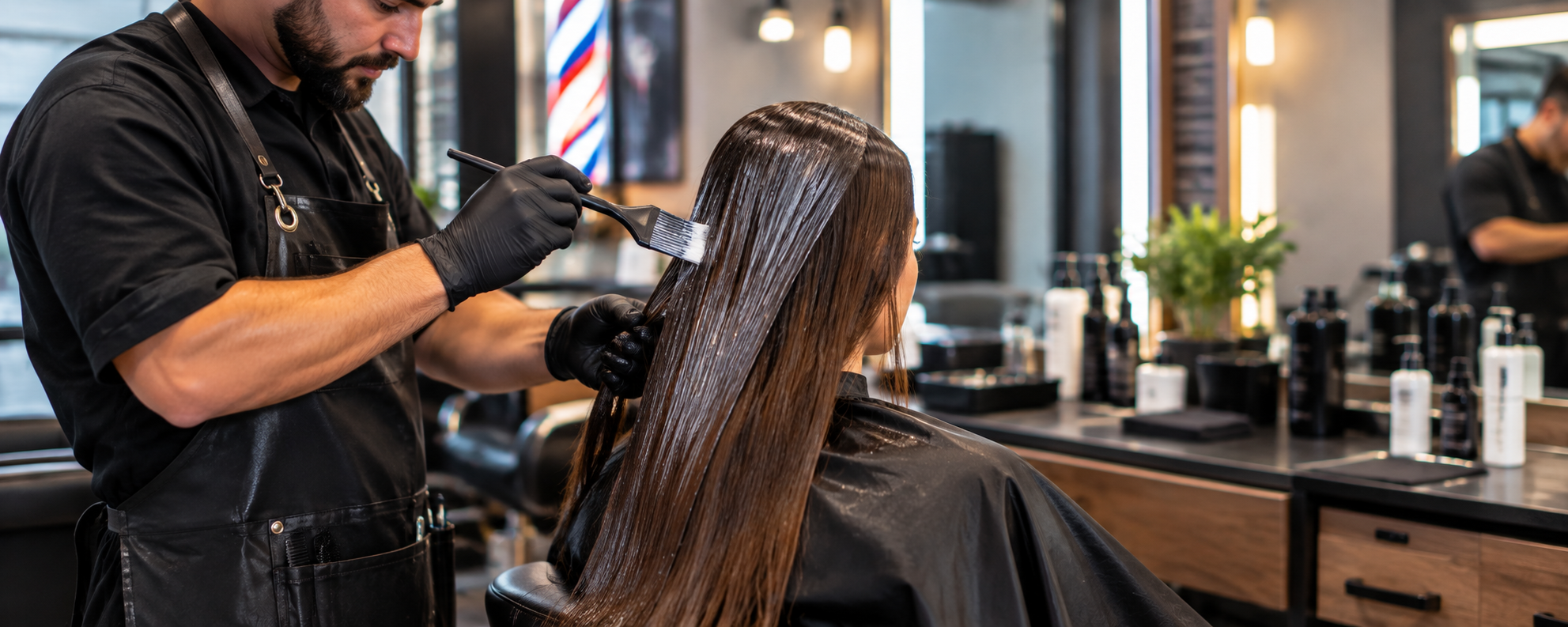
Managing daily hair styling can often feel like a constant battle against humidity, environmental stress, and structural damage. Many individuals spend endless hours every morning using flat irons, curling wands, and heavy styling products just to achieve a manageable, polished appearance. However, repetitive heat exposure and harsh environmental factors can strip hair strands of their essential moisture, leading to raised cuticles, breakage, and persistent frizz that refuses to lay flat.
Understanding Hair Structure and Why Frizz Happens
To truly understand how professional hair care transforms your locks, it helps to examine the biological structure of human hair. Each strand of hair consists of three primary layers: the innermost medulla, the middle cortex which provides strength and color, and the outermost cuticle which acts as a protective barrier.
The cuticle layer is comprised of overlapping scale like cells, similar to shingles on a roof. When hair is healthy and well hydrated, these scales lie flat, reflecting light effortlessly and trapping moisture inside the shaft.
Why Consultation Matters Before Any Chemical Service
Hair smoothing services can offer improved manageability, reduced frizz, and a more predictable styling routine. However, the results depend on the condition of the hair, the specific product used, and the technique followed during application. Choosing a service based only on photographs or promotional claims can lead to expectations that do not match the hair's needs.
A consultation provides an opportunity to discuss previous coloring, bleaching, chemical treatments, heat exposure, and everyday styling habits. These details help a stylist determine whether a service is suitable and what precautions may be necessary.
Know the Difference Between Smoothing and Straightening
Smoothing and straightening are often discussed as though they are identical, but they may produce different outcomes. Some services are intended primarily to reduce frizz and improve manageability, while others are designed to create a more pronounced change in texture.
The exact result depends on the formulation and application method. Some treatments may reduce natural volume, while others aim to preserve more movement. It is important to discuss the desired finish rather than assuming that every smoothing service produces the same effect.
A stylist should explain what the service can realistically achieve and whether the result is temporary or longer-lasting. This conversation is especially important for people who want to maintain their natural waves or curls.
Assessing Hair Condition Before Treatment
Hair condition is one of the most important factors in selecting a service. Strands that have been heavily lightened or repeatedly exposed to chemical processes may require a more cautious approach. Elasticity, porosity, density, and visible damage all provide useful information.
A professional assessment may include examining the ends, checking how the hair responds to gentle tension, and discussing the client's recent hair history. If the hair is fragile, the stylist may recommend strengthening the routine or postponing a chemical service.
This is not about discouraging change. It is about selecting an approach that respects the current condition of the hair and reduces avoidable risks.
Questions Worth Asking Before Booking
A good appointment begins with clear communication. Clients do not need technical knowledge of every ingredient, but they should understand the main features of the service.
Useful questions include:
- What result should I realistically expect?
- Is the service suitable for my hair history?
- What ingredients are used?
- Are there any ventilation or safety considerations?
- How long does the appointment usually take?
- What maintenance products are recommended?
- When can I wash or restyle my hair afterward?
- How might the treatment affect future coloring?
When researching keratin hair treatment, these questions can help distinguish between services that may sound similar but have different formulations and requirements. Clients should receive clear explanations rather than relying solely on broad promises.
Is Professional Smoothing Suitable for Your Specific Hair Type
A common misconception is that hair smoothing services are only meant for individuals with extremely curly or coarse hair. In reality, modern smoothing innovations are highly customizable and beneficial for virtually every hair type, texture, and density. Whether you have fine, wave prone hair, thick coarse curls, or color treated locks, a tailored smoothing service can address your unique hair concerns.
Understanding Ingredients and Safety Information
The ingredients used in smoothing products vary. Some formulations may contain substances that require particular handling, ventilation, or application precautions. Clients should not assume that every product marketed under the same general category has identical ingredients.
It is reasonable to ask the salon for product information and to discuss sensitivities or previous reactions. People should also follow the stylist's instructions regarding aftercare and avoid applying additional chemical services without professional guidance.
A salon should be prepared to explain its process and the precautions it follows. Clear communication supports trust and helps clients make decisions based on information rather than assumptions.
Debunking Common Hair Smoothing Myths and Misconceptions
Despite the widespread popularity of smoothing treatments, several myths continue to circulate among consumers regarding their safety and effects. One prevalent myth is that hair smoothing services cause permanent hair damage or thin out natural hair density. In truth, when performed by a certified professional using modern, formaldehyde-free formulas, smoothing treatments strengthen weakened strands and reduce daily breakage caused by excessive thermal styling.
Planning for Maintenance and Future Services
A smoothing service is not a one time decision. Its appearance may change as hair grows, as the treatment gradually fades, and as the hair is exposed to washing and styling. Maintenance requirements vary, so clients should understand the expected routine before booking.
Future coloring or chemical services should also be discussed. A stylist can advise on appropriate timing and whether a strand test or additional assessment is needed. This is particularly relevant for people who regularly change their color.
Choosing a service that fits the person's lifestyle is often more useful than selecting the most dramatic result. Someone who prefers natural movement may need a different option from someone seeking a very sleek finish.
Recognizing When a Different Approach Is Better
Not every hair concern requires a chemical treatment. Frizz may sometimes be improved through a suitable haircut, conditioning routine, gentler drying method, or reduction in heat exposure.
If the hair feels brittle or breaks easily, addressing its condition may be the first priority. A professional can help identify whether the main concern is dryness, damage, buildup, or natural texture.
A thoughtful recommendation may involve a simpler service or a change in home care. The purpose of consultation is to find an appropriate solution, not to make every appointment more complicated.
Final Thoughts
Choosing a smoothing service requires more than selecting a desired finish. Hair history, product ingredients, maintenance needs, and future styling plans all influence whether a treatment is appropriate.
A detailed consultation helps establish realistic expectations and supports a safer, more personalized decision. When clients understand the process and their responsibilities afterward, they are better prepared to maintain the result and protect the appearance of their hair.

 English
 Arabic
 French
 Spanish
 Portuguese
 Deutsch
 Turkish
 Dutch
Dutch
 Italiano
 Russian
 Romaian
 Portuguese (Brazil)
