
Ventilator Care at Home: Infection Prevention and Hygiene Practices
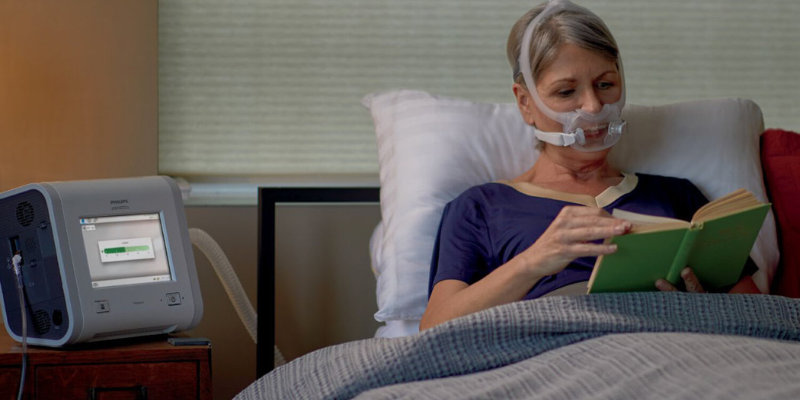
Patients who depend on mechanical ventilation may require careful infection-prevention practices because respiratory equipment and airway support need consistent handling. Ventilator Care At Home In Dubai can provide patients with continued respiratory assistance in a familiar environment, but families and caregivers must maintain good hygiene and follow the individualized care plan. With appropriate guidance from healthcare professionals, including Doctor at Home support when suitable, caregivers can develop safe routines for hand hygiene, equipment cleaning, airway care, personal hygiene, and environmental cleanliness. Consistent infection-control practices can support a safer and more comfortable home-care environment.
Understanding Infection Prevention During Ventilator Care:
Infection prevention is an important part of caring for a patient who relies on mechanical ventilation. Ventilator equipment, airway devices, suction systems, tubing, and frequently touched surfaces can require careful handling. The exact cleaning and replacement requirements vary depending on the equipment and the patient’s clinical needs, so caregivers should follow instructions from qualified healthcare professionals and equipment manufacturers. Families should understand which components require routine cleaning, which items should be replaced, and how to identify signs that may require medical attention.
Practicing Proper Hand Hygiene:
Hand hygiene is one of the simplest and most important habits caregivers can develop. Hands should be cleaned before and after providing respiratory care, handling airway equipment, assisting with personal hygiene, administering medications, or touching supplies. Caregivers should follow appropriate handwashing techniques and use hand sanitizer when suitable and available. Family members and visitors should also maintain good hand hygiene when interacting with the patient. Keeping hand-cleaning supplies near the patient’s care area can make consistent hygiene easier.
Maintaining a Clean Patient-Care Area:
The area surrounding a ventilator-dependent patient should be kept clean, uncluttered, and well organized. Frequently touched surfaces, bedside tables, equipment stands, and other relevant areas should be cleaned according to appropriate household and healthcare guidance. Dust, spills, and unnecessary objects should be removed from the immediate care environment. Clean bedding and clothing should be maintained regularly, while waste from respiratory or personal care should be disposed of appropriately. A well-maintained care area can make it easier for caregivers to perform respiratory procedures without unnecessary contamination.
Cleaning and Maintaining Ventilator Equipment:
Ventilator equipment should be cleaned and maintained according to manufacturer instructions and the patient’s prescribed care plan. Caregivers should understand which components can be cleaned at home and which require replacement rather than washing. Tubing, filters, humidification components, masks, and other accessories may have different maintenance requirements. Families should never use cleaning products or methods that have not been approved for the equipment. Regular inspection can also help identify damaged or contaminated components that require professional attention.
Managing Airway Equipment Safely:
Patients with tracheostomies or other airway devices may require additional hygiene precautions. Caregivers should receive professional training before handling airway equipment or performing procedures such as suctioning. Supplies should be stored in a clean and dry location and protected from unnecessary contact. The airway site should be monitored for redness, swelling, unusual drainage, bleeding, or other changes. Any concerning or persistent changes should be reported to the appropriate healthcare professional rather than managed independently.
Following Safe Suctioning Practices:
Some ventilator-dependent patients require suctioning to help remove airway secretions. Because suctioning involves direct airway care, caregivers should only perform it after receiving appropriate training and instructions. Equipment should be prepared and maintained according to the patient’s care plan. Caregivers should avoid unnecessary handling of sterile or clean components and should follow recommended replacement procedures. Changes in secretions, including unusual color, odor, thickness, or quantity, may require communication with the healthcare team.
Important practices include:
-
Wash hands before and after suctioning.
-
Prepare equipment according to professional instructions.
-
Keep suction supplies organized and clean.
-
Follow the prescribed technique.
-
Avoid unnecessary contact with airway components.
-
Report unusual changes in secretions or breathing.
Maintaining Appropriate Humidification:
Depending on the patient’s respiratory setup, humidification may be used to help maintain airway comfort and manage secretions. Humidification equipment must be maintained according to manufacturer and healthcare-provider instructions. Water handling should be performed exactly as directed, and components should be cleaned or replaced according to the recommended schedule. Poorly maintained humidification equipment can become a source of contamination, so caregivers should understand the specific maintenance requirements for the system being used.
Practicing Personal Hygiene:
Personal hygiene contributes to patient comfort and overall infection prevention. Caregivers may assist with bathing, oral care, hair care, changing clothes, and maintaining clean bedding depending on the patient’s level of independence. Oral hygiene can be particularly important for patients who have difficulty managing secretions or cannot perform routine mouth care independently. Hygiene procedures should be carried out carefully while keeping ventilator tubing and airway connections secure. Caregivers should also observe the skin for irritation, redness, or pressure-related changes.
Preventing Respiratory Infections:
Families should take reasonable precautions to reduce exposure to respiratory infections. Household members or visitors who are experiencing symptoms of contagious illness should follow appropriate precautions and limit close contact when necessary. Good ventilation, hand hygiene, routine cleaning, and appropriate respiratory etiquette can support infection-control efforts. The patient’s healthcare team can provide additional recommendations based on individual medical circumstances. Vaccination and other preventive measures should be discussed with qualified healthcare professionals when appropriate.
Handling Medications and Care Supplies Hygienically:
Medication administration and care supplies should also be incorporated into the household hygiene routine. Caregivers should wash their hands before handling medications or supplies and keep products stored according to their instructions. Equipment used for medication delivery should be maintained as directed. Expired or damaged supplies should not be used. Families can maintain a simple inventory system to monitor important items and avoid situations where essential supplies are unexpectedly unavailable.
Managing Laundry and Bedding:
Patients who spend significant amounts of time in bed may require frequent changes of bedding and clothing. Families should keep bedding clean and dry and replace items when they become soiled or damp. Sheets and blankets should be washed according to appropriate household recommendations. Caregivers should also inspect the patient’s skin during routine changes, particularly in areas exposed to prolonged pressure or moisture. Keeping the bed area clean can improve comfort while supporting general hygiene.
Handling Waste Safely:
Respiratory and personal-care activities can generate waste that needs appropriate disposal. Families should follow healthcare-provider instructions for disposing of used supplies, particularly items that may have come into contact with respiratory secretions or bodily fluids. Waste containers should be positioned conveniently but safely away from clean equipment and supplies. Caregivers should avoid placing used items on clean surfaces. Proper disposal practices can help reduce unnecessary contamination within the patient’s care environment.
Recognizing Possible Signs of Infection:
Caregivers should know the patient’s normal condition so they can recognize meaningful changes. Possible concerns may include fever, increased coughing, changes in respiratory secretions, unusual drainage around an airway site, increased breathing difficulty, or a noticeable decline in overall condition. These signs do not always indicate an infection, but they should be discussed with the healthcare team when they are new, persistent, or concerning. Severe breathing difficulty or other serious symptoms require urgent medical attention.
Cleaning Frequently Touched Surfaces:
Frequently touched household surfaces can be incorporated into a regular cleaning routine. Depending on the patient’s circumstances, this may include bedside tables, door handles, equipment stands, remote controls, switches, and other commonly handled objects. Cleaning products should be used according to their instructions and kept away from respiratory equipment unless specifically approved. Caregivers should avoid allowing household cleaning activities to create dust, fumes, or other irritants around a patient with respiratory sensitivity.
Training Family Caregivers:
Everyone involved in ventilator care should understand the hygiene practices relevant to their responsibilities. Professional training can help caregivers learn how to handle equipment, perform airway procedures when prescribed, maintain clean supplies, and identify situations requiring assistance. Caregivers should not assume that an unfamiliar procedure is safe simply because they have observed someone else performing it. Hands-on instruction and clear written guidance can help maintain consistency between different caregivers.
Working With Professional Home Healthcare Teams:
Professional home nurses can provide valuable assistance with infection prevention and hygiene during complex ventilator care. Depending on the patient’s care plan, trained professionals may support airway management, respiratory monitoring, equipment maintenance, personal hygiene, and caregiver education. They can also help families identify changes that should be reported to the medical team. Regular communication between professional caregivers, family members, and healthcare providers can help maintain a consistent approach to infection prevention.
Reviewing Hygiene Practices Regularly:
Hygiene requirements may change as the patient’s condition, equipment, or care plan changes. Families should review cleaning schedules, equipment requirements, and airway-care procedures with healthcare professionals when necessary. Supplies should be checked regularly for damage, contamination, or expiration. Caregivers should also update other family members when routines change. Consistent review helps ensure that everyone follows current instructions rather than relying on outdated practices.
Final Thoughts:
Ventilator Care At Home In Dubai requires consistent attention to infection prevention, equipment hygiene, airway care, and personal cleanliness. Families can support a safer home environment by practicing thorough hand hygiene, maintaining clean equipment, organizing respiratory supplies properly, managing airway care according to professional instructions, and monitoring for concerning changes. Professional home healthcare can provide additional support and education for families managing complex respiratory needs. By following an individualized care plan and communicating regularly with qualified healthcare professionals, caregivers can promote comfort, cleanliness, and safer long-term ventilator care at home.

 English
 Arabic
 French
 Spanish
 Portuguese
 Deutsch
 Dutch
Dutch
 Italiano
 Russian
 Romaian
 Portuguese (Brazil)
 Greek
Greek
