
Why Is a GPR Survey Useful for Accurate Subsurface Detection?
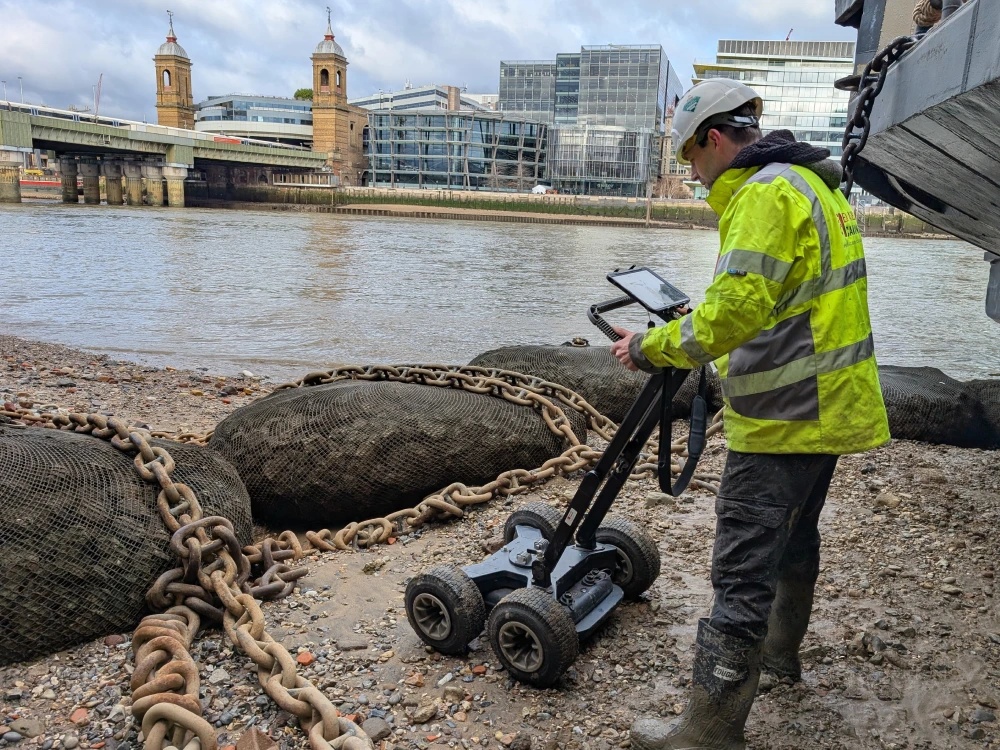
Subsurface investigation plays an important role in construction, infrastructure maintenance, utility mapping, and structural assessment. Before drilling, excavation, or cutting into concrete, professionals often need information about what may be hidden beneath a surface. A Gpr Survey uses electromagnetic radar signals to identify changes below the ground or within structures without requiring extensive excavation. It can help locate potential utilities, voids, embedded objects, reinforcement, and other subsurface features, depending on site conditions and equipment. Because results can be collected without major disruption, GPR can be a useful tool for planning investigations and reducing uncertainty before construction activities begin.
How Does GPR Help Detect Hidden Features?
Ground Penetrating Radar works by transmitting electromagnetic pulses into a material and recording reflections caused by changes in subsurface properties. Different materials and interfaces can produce different responses, allowing trained professionals to interpret potential underground or embedded features. A Gpr Survey can be used on roads, floors, walls, bridges, foundations, and other surfaces depending on the equipment and application. The technique can provide information about the approximate location and depth of detectable features. However, results depend on factors such as material composition, moisture, signal penetration, surface conditions, and the type of target being investigated.
What Are the Benefits Before Excavation?
Excavation without adequate information can create risks when underground utilities, structures, or other obstacles are present. GPR can provide a non-invasive way to investigate an area before physical excavation begins. This information can help project teams plan work zones, identify areas requiring additional investigation, and reduce unnecessary digging. A Gpr Survey may therefore be useful during renovation, roadwork, utility projects, and construction planning. It is important to remember that GPR does not detect every material equally well, so survey results should be interpreted by experienced professionals and, where necessary, confirmed through other investigation methods.
How Is GPR Used With Foundation Investigations?
Foundation investigations often require information about structural elements and subsurface conditions before construction or rehabilitation work. GPR can assist by identifying detectable reinforcement, anomalies, or changes in subsurface conditions around suitable areas. When foundation-related work involves deep structural elements, other specialized methods may be required. Pile Foundation Testing is used to evaluate aspects of pile performance and integrity using appropriate testing techniques. GPR and pile testing serve different purposes but may contribute to a broader investigation strategy. Selecting the correct combination of methods depends on the project's design, site conditions, and specific engineering objectives.
Why Is Pile Foundation Testing Important?
Pile foundations transfer structural loads into deeper soil or rock layers, making their condition and performance important to the overall foundation system. Pile Foundation Testing can involve different techniques designed to assess characteristics such as pile integrity, load response, or continuity, depending on the selected testing method. These tests can provide engineers with information for evaluating foundation performance and investigating potential concerns. GPR is generally more suitable for mapping detectable subsurface features or locating objects within accessible materials, while pile testing addresses specific foundation elements. Understanding the purpose and limitations of each method helps project teams select suitable investigation procedures.
Can GPR Help During Concrete Investigations?
GPR is also used for certain concrete investigations where professionals need to locate embedded features without extensive drilling. Depending on the material and survey conditions, radar can help identify reinforcement, conduits, voids, and other detectable interfaces. This can be useful before coring, drilling, cutting, or making structural modifications. A Gpr Survey can provide information about the position and approximate depth of targets, helping teams plan intrusive work more carefully. Interpretation is important because concrete composition, reinforcement density, moisture, and other factors can affect radar signals and the clarity of survey results.
What Factors Affect GPR Accuracy?
GPR performance can vary significantly depending on site conditions. Moisture, clay-rich soil, conductive materials, reinforcement density, surface irregularities, and target size can influence electromagnetic signal penetration and reflection. Highly conductive environments may limit the depth that radar can investigate effectively. Survey frequency also affects the balance between penetration depth and resolution. Professionals therefore select antennas and scanning procedures according to the project requirements. A Gpr Survey should not be viewed as a universal solution for every subsurface condition. Site assessment, appropriate equipment selection, systematic scanning, and experienced interpretation all contribute to obtaining useful results.
How Does GPR Support Construction Planning?
Construction projects often involve multiple activities that can be affected by unknown subsurface conditions. Before drilling, cutting, excavation, or installation, teams may need to understand what lies beneath or inside the work area. GPR can provide non-invasive survey information that supports planning and helps identify areas that require caution or further verification. Survey data can also assist engineers in developing investigation plans and determining where targeted physical checks may be appropriate. By providing additional information before intrusive work begins, GPR can contribute to more organized site preparation and investigation.
Where Does Chloride Testing Fit Into Structural Assessment?
Subsurface detection and concrete durability testing address different aspects of structural assessment. GPR can help identify detectable physical features, while chloride testing can provide information about chloride content in concrete. The Rapid Chloride Test is one laboratory approach used to evaluate chloride-related properties according to the applicable test procedure. Chloride exposure can be relevant to reinforced concrete because chlorides may contribute to corrosion processes under suitable conditions. Combining appropriate durability tests with other inspection methods can give engineers a broader understanding of material condition. The specific testing program should be based on the structure, environment, and assessment objectives.
Why Combine GPR With Other Testing Methods?
No single investigation technique can reveal every aspect of a structure or site. GPR may provide information about subsurface features, while foundation tests and material durability assessments address different engineering questions. For example, Pile Foundation Testing can provide information about pile behavior or integrity, while GPR can assist with locating detectable features in accessible areas. Similarly, the Rapid Chloride Test addresses chloride-related characteristics rather than physical subsurface mapping. Using complementary methods can provide a more complete evidence base for engineering decisions, provided each technique is selected and interpreted according to its intended purpose.
How Should a GPR Survey Be Planned?
A successful survey begins by defining the investigation objective clearly. Professionals should identify the area to be scanned, the type of information required, expected target depth, surface conditions, and possible limitations. Site access and background information such as drawings or previous survey records can also be useful. Equipment and antenna frequency should be selected according to the expected application. During a Gpr Survey, systematic scanning patterns and suitable data recording practices can help create consistent results. After collection, trained personnel interpret the data and prepare findings that can be used alongside other available engineering information.
Frequently Asked Questions
1. What is a GPR survey used for?
A GPR survey uses electromagnetic radar signals to investigate detectable features below a surface or within suitable materials. It can be used for locating utilities, reinforcement, conduits, voids, and other subsurface anomalies depending on site conditions. Gpr Survey results can help professionals plan excavation, drilling, coring, or construction activities. The method is non-invasive or minimally disruptive, but its effectiveness depends on factors such as material composition, moisture, conductivity, target characteristics, equipment selection, and professional interpretation.
2. Can GPR detect underground utilities?
GPR can help identify certain underground utilities and other subsurface features when conditions are suitable. Detection performance depends on utility material, size, depth, soil composition, moisture, electromagnetic properties, and surrounding conditions. GPR can be particularly useful as part of a broader utility investigation rather than being treated as the only source of information. Professionals may combine radar findings with available site records and other locating methods to develop a more complete understanding of underground conditions before excavation.
3. Is GPR suitable for concrete structures?
Yes, GPR can be used for certain concrete investigations. It may help identify reinforcement, conduits, voids, and other detectable features before drilling, cutting, or coring. However, concrete composition, reinforcement density, moisture, and other factors can affect signal penetration and interpretation. A Gpr Survey should therefore be planned according to the structure and the specific information required. Qualified technicians can select appropriate equipment and scanning procedures based on the expected targets and site conditions.
4. What is the purpose of pile foundation testing?
Pile Foundation Testing is performed to evaluate specific characteristics of foundation piles using appropriate testing methods. Depending on the method, testing may provide information about pile integrity, load response, continuity, or other performance-related characteristics. It is different from GPR, which is primarily used for detecting and mapping suitable subsurface or embedded features. Engineers select pile testing procedures according to the foundation design, project requirements, applicable standards, and the specific questions that need to be answered about the pile system.
5. What does a Rapid Chloride Test measure?
A Rapid Chloride Test is a laboratory testing approach used to evaluate chloride-related characteristics of concrete or cementitious materials according to the applicable procedure. Chloride assessment can be relevant when investigating reinforced concrete exposed to environments where chloride ingress may occur. The test addresses material durability rather than subsurface mapping. For a broader structural assessment, chloride testing may be combined with visual inspection, reinforcement evaluation, concrete testing, and other suitable investigation techniques to understand the condition of the structure more comprehensively.
6. Does GPR provide exact depth measurements?
GPR can provide estimates of the location and depth of detectable features, but accuracy can vary according to material properties, equipment, calibration, signal conditions, and interpretation. Factors such as moisture, conductivity, target characteristics, and complex reinforcement can affect measurements. Therefore, GPR findings should be understood as survey information rather than automatically treated as exact measurements. Where critical construction work is planned, professionals may recommend verification using suitable complementary methods before intrusive activities begin.

 English
 French
 Spanish
 Portuguese
 Deutsch
 Turkish
 Dutch
Dutch
 Italiano
 Russian
 Romaian
 Portuguese (Brazil)
 Greek
Greek
