
DuPont Tyvek Coverall UAE: Reliable Protective Clothing for Industrial Safety
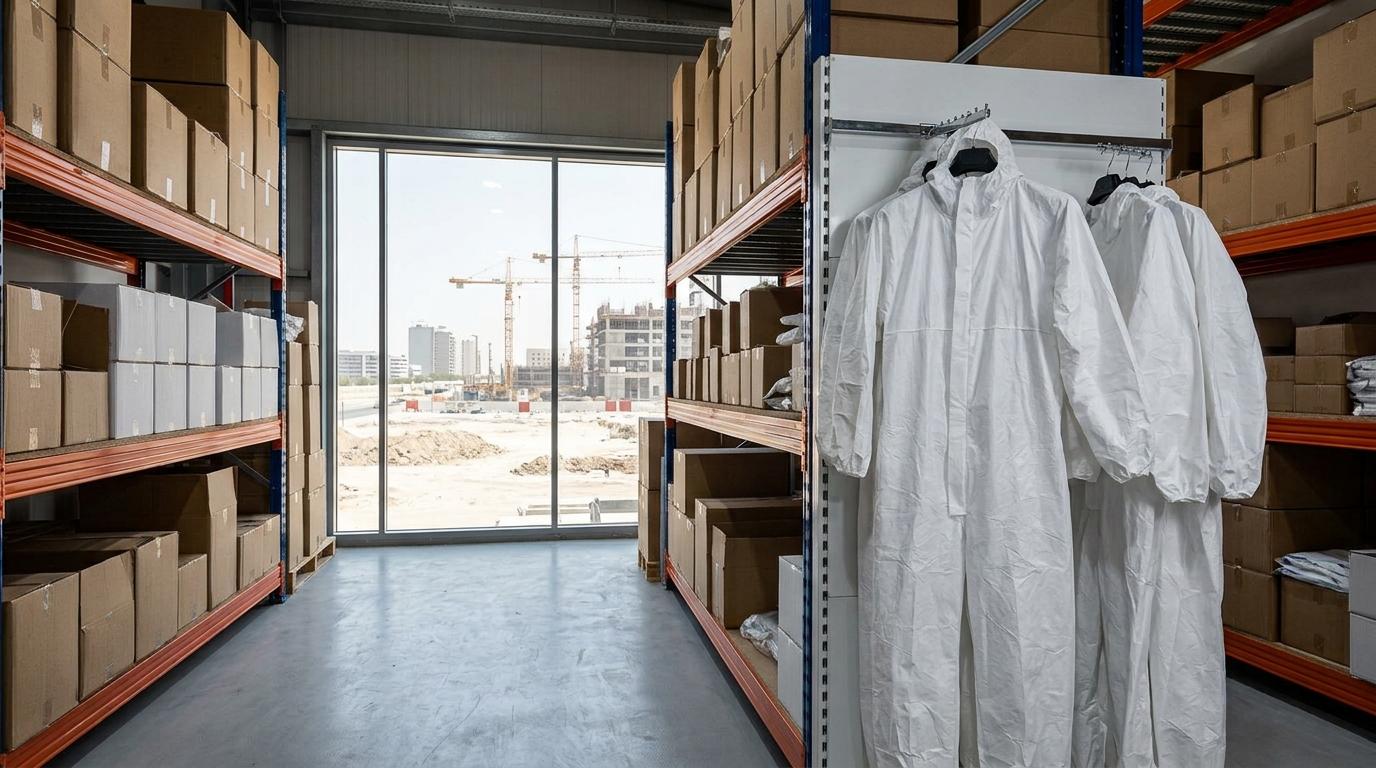
Workplace safety is an important priority across industries in the United Arab Emirates. Workers in construction, manufacturing, chemical processing, pharmaceuticals, healthcare, maintenance, and other sectors can encounter dust, particles, liquid splashes, and other workplace hazards. Choosing suitable protective clothing is therefore an essential part of an effective personal protective equipment program.
Among the protective garments available for industrial and professional applications, Tyvek coveralls are widely recognized for their combination of protection, lightweight construction, and practicality. Businesses searching for a DuPont Tyvek coverall UAE solution can find options designed for different work environments and levels of exposure.
DuPont Tyvek protective garments are manufactured using Tyvek material, a high-density polyethylene (HDPE) nonwoven material developed by DuPont. Depending on the specific garment model, Tyvek coveralls can provide protection against particles and certain limited liquid hazards while allowing workers to remain comfortable during extended tasks.
What Is a Tyvek Coverall?
A Tyvek coverall is a one-piece protective garment designed to cover the wearer's body and clothing. It can help reduce contamination and exposure to certain workplace substances, depending on the garment's specific certification and application.
Tyvek material is lightweight and breathable compared with many traditional protective materials. It is also designed to provide a useful barrier against dry particles and other hazards when the correct garment is selected.
A DuPont Tyvek coverall UAE can therefore be suitable for workplaces where workers need disposable or limited-use protective clothing for tasks involving dust, dirt, particles, and certain chemical or biological hazards.
The exact protection provided depends on the specific Tyvek garment model. Employers should always check the manufacturer's technical documentation and certification before selecting protective clothing for a particular hazard.
Why Protective Coveralls Matter
Workplace contamination can occur in many ways. Dust particles can settle on clothing and skin, while industrial substances may be transferred between work areas. Protective coveralls help create a barrier between the worker and the surrounding environment.
For employers, protective clothing can also help reduce the transfer of contaminants into clean areas. This is especially important in industries where maintaining controlled environments is part of the work process.
A suitable coverall should provide an appropriate balance between protection, mobility, durability, and comfort. Selecting a garment simply because it looks protective may not provide adequate protection for the actual hazard.
Key Features of Tyvek Protective Clothing
Different Tyvek garments have different designs and certifications, but common features can include:
-
Lightweight protective material
-
Full-body coverage
-
Hooded designs
-
Elasticated wrists
-
Elasticated ankles
-
Elasticated waist
-
Zipper closure
-
Low-lint material
-
Comfortable construction
-
Protection against various particles depending on the model
Some Tyvek coveralls are designed with additional features for specific applications. These may include storm flaps over zippers, enhanced seam designs, or specialized material configurations.
When purchasing a DuPont Tyvek coverall UAE, businesses should identify the exact model and verify its intended application rather than relying solely on the Tyvek brand name.
Applications in the UAE
The UAE has a diverse industrial and commercial environment, creating demand for protective clothing across many sectors.
Construction
Construction workers may encounter dust, insulation particles, paint, dirt, and other materials during daily activities. Protective coveralls can help keep personal clothing clean and reduce exposure to certain workplace contaminants.
Maintenance
Maintenance technicians often work in environments where dust, oils, dirt, and industrial residues may be present. Suitable coveralls can provide an additional layer of protection during maintenance and cleaning activities.
Manufacturing
Manufacturing processes can involve particles, powders, chemicals, coatings, and other substances. Depending on the specific hazard, a suitable protective coverall can form part of the worker's PPE system.
Pharmaceuticals
Pharmaceutical and laboratory environments may require controlled clothing systems to minimize contamination. Certain Tyvek garments can be used in suitable controlled environments, subject to the applicable requirements and garment certification.
Chemical Industries
Chemical handling requires careful selection of PPE because different chemicals can interact differently with protective materials. Tyvek products are available for various chemical protection applications, but the specific garment must be selected according to the chemical hazard and manufacturer's data.
Cleaning and Decontamination
Industrial cleaning and certain decontamination tasks can expose workers to dirt, particles, and potentially hazardous substances. Appropriate protective clothing can help reduce contamination of workers' regular clothing.
Protection Against Particles
One of the important applications of Tyvek protective clothing is protection against many types of dry particles.
Workers can encounter fine particles during activities such as sanding, grinding, insulation installation, powder handling, and industrial cleaning. Depending on the specific garment certification, a Tyvek coverall can help reduce the penetration of particles through the garment.
However, protective clothing should never be treated as the only control measure. Employers should use appropriate engineering controls, ventilation, safe work practices, respiratory protection where required, and other PPE based on the workplace risk assessment.
Chemical Protection Considerations
Chemical protection is a particularly important area where businesses need to select PPE carefully.
Not all Tyvek coveralls provide the same chemical protection. Some models are designed for limited chemical splash protection, while specialized DuPont garments may offer different levels of chemical resistance.
Before purchasing a DuPont Tyvek coverall UAE for chemical work, safety professionals should identify the exact chemical, concentration, exposure conditions, temperature, duration of contact, and required protection level.
The manufacturer's chemical permeation and penetration data should be reviewed when applicable.
Comfort and Worker Mobility
Protective clothing needs to be practical enough for workers to perform their tasks safely.
Tyvek material is known for being lightweight, which can be helpful when workers need to wear protective clothing for extended periods. A suitable coverall should also provide enough room for movement without creating unnecessary loose material that could interfere with equipment or machinery.
Features such as elastic wrists, ankles, and waist can improve the fit of the garment.
Worker comfort is important because uncomfortable PPE may discourage proper use. Employers should therefore consider sizing, fit, temperature, task duration, and the physical demands of the job when selecting protective clothing.
Selecting the Correct Size
A protective coverall should fit the worker appropriately.
If a garment is too small, it can restrict movement and place unnecessary stress on seams and closures. If it is too large, excess material can interfere with work activities.
Suppliers should offer multiple sizes where possible so that workers can select garments that provide appropriate coverage without unnecessarily restricting movement.
Employers may also consider purchasing sample sizes before placing large PPE orders.
Disposable and Limited-Use Applications
Many protective coveralls are designed for disposable or limited-use applications. The appropriate approach depends on the garment model, contamination level, workplace procedures, and manufacturer's instructions.
If a garment becomes damaged or heavily contaminated, it should be handled according to the organization's PPE disposal procedure.
Companies should also establish clear procedures for putting on and removing protective garments. Improper removal can cause contamination of the worker or surrounding areas.
Proper Donning and Removal
Correct use is just as important as selecting the right garment.
Workers should receive training on how to put on and remove their coveralls safely. This can include checking the garment before use, ensuring the zipper and closures are properly secured, and avoiding unnecessary contact with contaminated surfaces when removing the garment.
In environments where contamination control is critical, organizations may establish specific donning and doffing sequences.
Training should be adapted to the hazards present at the workplace.
Inspection Before Use
Even disposable protective clothing should be inspected before use.
Workers should look for:
-
Tears
-
Holes
-
Damaged seams
-
Broken zippers
-
Defective elastic
-
Contamination
-
Other visible damage
A damaged garment should not be used when the damage could compromise its protective function.
Employers should also ensure that stored PPE is protected from conditions that could damage the material.
Storage of Tyvek Coveralls
Proper storage helps maintain the condition of unused garments.
Protective coveralls should generally be stored according to the manufacturer's recommendations. They should be protected from unnecessary exposure to direct sunlight, excessive heat, moisture, chemicals, and physical damage.
Keeping PPE in its original packaging until needed can also help protect unused garments from contamination and damage.
For organizations managing large quantities of PPE, inventory systems can help ensure that the correct sizes and garment types are available when required.
Choosing a Reliable PPE Supplier in the UAE
Businesses searching for a DuPont Tyvek coverall UAE should consider more than price when selecting a supplier.
A reliable PPE supplier should be able to provide accurate product information, specifications, sizes, and relevant documentation. Buyers should verify the exact DuPont garment model and ensure that it matches the required application.
For industrial customers, dependable stock availability can also be important. Large projects may require significant quantities of coveralls, and delays in PPE supply can affect work schedules.
Businesses should therefore evaluate product authenticity, technical support, availability, documentation, and after-sales service when selecting a supplier.
Importance of PPE Training
Protective clothing works best when workers understand how and when to use it.
Training should cover:
-
Identifying workplace hazards
-
Selecting appropriate PPE
-
Correct sizing
-
Inspection before use
-
Proper donning
-
Correct removal
-
Disposal procedures
-
Storage
-
Limitations of the garment
Workers should also understand that protective coveralls do not eliminate workplace hazards. They are one part of a broader safety system.
Tyvek Coveralls and Workplace Safety Programs
A professional safety program combines PPE with hazard identification, engineering controls, administrative controls, worker training, and emergency procedures.
Protective coveralls may be particularly useful when other control measures cannot completely eliminate worker exposure.
Employers should periodically review PPE requirements as processes, chemicals, machinery, and working conditions change.
This ensures that the selected protective clothing continues to match the actual workplace hazards.
Conclusion
Protective clothing plays an important role in many UAE workplaces where employees may encounter particles, dust, contamination, liquid splashes, or other occupational hazards. Tyvek coveralls provide a practical protective garment option for numerous applications when the correct model is selected.
Businesses looking for a DuPont Tyvek coverall UAE should carefully evaluate the intended application, hazard type, protection level, garment certification, size, comfort, and manufacturer's instructions before purchasing.
Whether used in construction, manufacturing, maintenance, pharmaceuticals, cleaning, or other professional environments, suitable protective clothing can become an important part of a comprehensive PPE program. With proper selection, training, inspection, and use, Tyvek coveralls can help organizations establish a more structured approach to worker protection.

 Arabic
 French
 Spanish
 Portuguese
 Deutsch
 Turkish
 Dutch
Dutch
 Italiano
 Russian
 Romaian
 Portuguese (Brazil)
 Greek
Greek
