
How PRP Hair Treatment Supports Hair Follicles
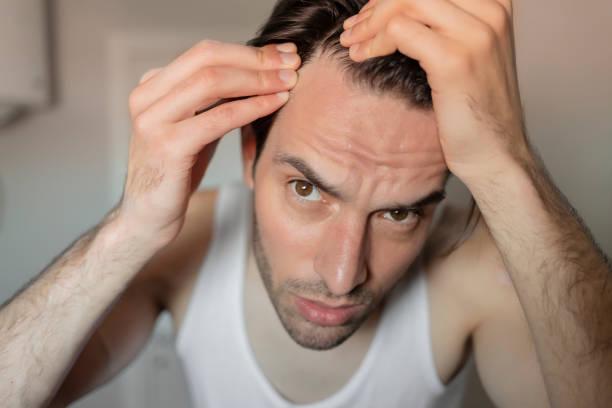
Healthy hair growth depends heavily on the condition and activity of the hair follicles. When follicles become weakened or their growth cycle is disrupted, hair may gradually become thinner or less dense. PRP treatment uses a concentrated portion of a person’s own blood to deliver platelets to targeted areas of the scalp. For people exploring PRP Hair Treatment in Riyadh, understanding how PRP interacts with the scalp and hair follicles can provide useful insight into the treatment process.
What Are Hair Follicles?
Hair follicles are small structures within the skin where hair develops and grows. Each follicle goes through different phases during the hair-growth cycle, including growth, transition, and resting periods. Factors such as genetics, hormones, age, health conditions, and scalp environment can influence follicle activity.
Why Follicle Health Matters
The condition of the follicles plays an important role in the appearance of hair. A healthy follicle can produce stronger-looking hair, while follicles affected by certain forms of hair loss may produce finer strands or remain less active.
Hair Growth Is a Gradual Process
Because hair follicles operate through natural growth cycles, changes in hair density do not usually happen overnight. Treatments intended to support follicle activity therefore often require patience and consistent follow-up.
How PRP Is Prepared
PRP stands for platelet-rich plasma. During a typical session, a small amount of the patient's blood is collected and processed to separate the plasma containing a higher concentration of platelets. The prepared PRP is then administered into selected areas of the scalp.
Platelets and Growth Factors
Platelets contain numerous biologically active substances, including growth factors involved in tissue repair and cellular communication. PRP treatment aims to concentrate these components and deliver them directly to areas being treated.
Targeted Scalp Application
The prepared PRP is injected into specific areas of the scalp according to the patient's hair-loss pattern and treatment plan. Targeted administration allows the provider to focus on areas where follicle support is desired.
How PRP May Support Hair Follicles
PRP has been investigated as a treatment option for certain types of hair loss because of the biological activity associated with platelets and their growth factors. Research suggests that PRP may influence processes involved in follicle activity, although individual responses can vary.
Supporting the Local Scalp Environment
The growth factors contained in PRP may contribute to signaling processes involved in tissue repair and cellular activity. The goal is to create a supportive environment around targeted follicles.
Potentially Encouraging Follicle Activity
PRP may help stimulate activity around follicles that are still capable of producing hair. This is one reason the treatment is generally discussed in the context of thinning hair rather than completely inactive areas where follicles are no longer present.
PRP and the Hair Growth Cycle
Hair follicles naturally move through different phases. The active growth phase is followed by transitional and resting periods before the cycle begins again. Hair-loss conditions can alter the balance between these phases.
Supporting the Growth Phase
One proposed mechanism of PRP is its potential influence on follicular activity and the duration of the growth phase. However, the exact response differs from one person to another, and PRP should not be viewed as a guaranteed way to alter every follicle's growth cycle.
Gradual Changes in Hair Appearance
If follicles respond to treatment, changes may become noticeable progressively. Hair may initially appear fine before gradually becoming more visible as the growth cycle continues.
Who May Benefit From Follicle-Supporting PRP?
PRP may be considered for individuals experiencing certain forms of hair thinning or pattern hair loss. Suitability depends on the underlying cause, scalp condition, medical history, and the presence of viable follicles.
Early or Moderate Hair Thinning
People with relatively early-stage thinning may discuss PRP with a qualified healthcare professional. An assessment can help determine whether the follicles in affected areas remain suitable for this type of treatment.
Individual Assessment Is Important
Not every type of hair loss responds to PRP in the same way. A professional evaluation can help identify possible causes and determine whether PRP should be part of a broader hair-management plan.
What Happens During a PRP Session?
A PRP session generally begins with an assessment of the scalp and treatment areas. Blood is collected and processed before the prepared plasma is administered through small injections.
Treatment Is Targeted
The provider identifies areas where thinning or reduced density is present and administers PRP accordingly. The number of injection points and the overall approach can vary between patients.
Sessions May Be Part of a Series
Depending on the treatment plan, multiple sessions may be recommended rather than relying on one appointment. Your provider can establish an appropriate schedule based on your hair condition and treatment goals.
When Can You Expect Changes?
Hair follicles require time to respond to treatment, so immediate changes should not be expected. The timeline can vary according to the underlying cause of hair loss, follicle condition, treatment plan, and individual response.
Early Recovery
After treatment, temporary tenderness, redness, or sensitivity may occur around injection sites. These effects generally settle as the scalp recovers.
Longer-Term Observation
Potential changes in hair thickness or density develop gradually. Follow-up appointments can help your provider monitor your progress and determine whether additional treatment is appropriate.
Factors That Influence Follicle Health
PRP is only one component that may be considered when addressing hair thinning. Nutrition, genetics, hormones, age, stress, scalp conditions, and other factors can influence hair growth.
Addressing Underlying Causes
If hair loss has an identifiable underlying cause, addressing that factor may be important. Your provider can recommend appropriate evaluation or additional treatment when necessary.
Maintaining Healthy Hair Habits
Gentle hair care, balanced nutrition, and appropriate scalp hygiene can complement a professional treatment plan. However, lifestyle measures should not replace medical evaluation when significant or persistent hair loss occurs.
Understanding PRP Expectations
PRP is intended to support the scalp and hair follicles, but it does not produce identical results for everyone. The treatment may be more relevant for some types of hair thinning than others, making a professional assessment an important first step. If you are considering PRP Hair Treatment in Riyadh, discussing your hair-loss pattern and expectations with a qualified provider can help you understand whether PRP is appropriate for you.
Book an Appointment
If you want to learn more about how PRP may support your hair follicles, book a consultation with Royal Clinic Saudia. A professional assessment can help identify your hair concerns and create a treatment approach suited to your needs.
FAQs:
How does PRP support hair follicles?
PRP contains concentrated platelets and biologically active growth factors. When administered to targeted scalp areas, these components may influence cellular signaling and processes associated with follicle activity.
Can PRP restore completely inactive hair follicles?
PRP is generally considered in situations where viable follicles remain. It should not be viewed as a guaranteed method for restoring follicles that are completely absent or permanently inactive.
How long does it take to see changes after PRP?
Hair growth is gradual, so potential changes usually develop over time rather than immediately after treatment. Your provider can explain a more appropriate timeline based on your individual circumstances.
Does everyone respond to PRP in the same way?
No. Response can vary according to factors such as the cause and extent of hair loss, follicle condition, overall health, and individual response to treatment.

 English
 Arabic
 French
 Portuguese
 Deutsch
 Turkish
 Dutch
Dutch
 Italiano
 Russian
 Romaian
 Portuguese (Brazil)
 Greek
Greek
