
The Role of Lymphatic Massage in Managing Swelling and Fluid Retention in Riyadh
Introduction
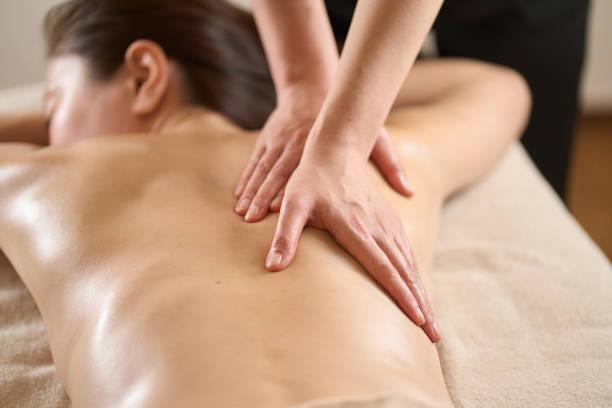
Swelling and fluid retention are common concerns that can affect comfort, mobility, and overall well-being. Many individuals seek natural and non-invasive ways to support the body’s healing and restore balance. One of the most effective approaches gaining attention is Lymphatic Massage in Riyadh, a therapeutic technique designed to stimulate the lymphatic system and encourage the natural drainage of excess fluid from the body.
This treatment is widely chosen by people recovering from medical procedures, experiencing chronic puffiness, or simply looking to improve circulation and detoxification. It is also closely associated with recovery care, especially in aesthetic and surgical contexts where the body needs additional support to reduce inflammation and speed up healing. In many cases, Post-Surgery Lymphatic Massage in Riyadh is recommended as part of a structured recovery plan to help minimize swelling and improve post-procedure comfort.
Understanding the Lymphatic System and Its Role
How the Lymphatic System Works
The lymphatic system is an essential part of the body’s immune and detoxification processes. It helps transport lymph fluid, which contains waste products, toxins, and excess proteins, back into the bloodstream for elimination. When this system becomes sluggish or disrupted, fluid can accumulate in tissues, leading to swelling and discomfort.
Why Swelling and Fluid Retention Occur
Swelling often occurs due to inflammation, injury, surgery, or prolonged inactivity. The body naturally responds by increasing fluid in affected areas to promote healing, but when drainage is not efficient, this fluid remains trapped. This is where targeted massage techniques can play an important role in encouraging proper circulation.
The Role of Lymphatic Support in Healing
By stimulating lymph flow, therapeutic massage helps reduce congestion in tissues and supports the body’s natural detoxification pathways. This not only reduces visible swelling but also improves internal balance, helping individuals feel lighter and more comfortable.
Benefits of Lymphatic Massage in Managing Swelling
Reduction of Swelling and Puffiness
One of the primary benefits is the visible reduction of swelling. Gentle rhythmic movements encourage fluid to move away from congested areas, helping restore a more natural body contour.
Improved Circulation and Detoxification
Enhanced lymph flow supports better circulation, allowing oxygen and nutrients to reach tissues more efficiently. At the same time, waste products are removed more effectively, promoting overall wellness.
Support for Post-Procedure Recovery
For individuals recovering from cosmetic or medical procedures, lymphatic massage plays a supportive role in reducing post-treatment inflammation. It helps the body heal more efficiently and can contribute to improved comfort during recovery phases.
When Lymphatic Massage Is Most Beneficial
Post-Surgical Recovery Support
After surgical procedures, the body often experiences temporary fluid buildup. Gentle lymphatic techniques help reduce this buildup and support a smoother recovery process.
Chronic Fluid Retention Issues
Some individuals naturally experience slower lymphatic function, leading to persistent swelling in areas such as the limbs or face. Regular sessions can help manage these symptoms effectively.
General Wellness and Body Balance
Even without medical concerns, many people choose this therapy to maintain overall wellness, reduce fatigue, and support detoxification processes in the body.
What to Expect During a Session
Initial Assessment and Body Evaluation
A session typically begins with a gentle evaluation to understand areas of concern, swelling patterns, and individual comfort levels.
Gentle and Targeted Massage Technique
The technique involves light, rhythmic movements that follow the direction of lymph flow. It is non-invasive and designed to stimulate natural drainage without applying deep pressure.
Post-Session Sensations and Aftercare
After a session, individuals often feel lighter and more relaxed. Staying hydrated and following simple aftercare guidance can help enhance results and support continued lymphatic activity.
Frequently Asked Questions
What is lymphatic massage used for?
It is used to support the drainage of excess fluid, reduce swelling, and improve the body’s natural detoxification process.
How soon can results be seen?
Many individuals notice a reduction in puffiness and improved comfort after a few sessions, depending on their condition.
Is lymphatic massage painful?
No, it is a very gentle technique that uses light pressure and is generally considered relaxing.
Can it help after surgery?
Yes, it is commonly used to support recovery by reducing post-surgical swelling and improving healing comfort.
How often should it be done?
The frequency depends on individual needs and goals, and a tailored plan is usually recommended for best results.
Consultation
For those seeking professional care and structured treatment options, Enfield Royal Clinic offers specialized guidance and personalized approaches designed to support lymphatic health and recovery. A consultation can help determine the most suitable plan based on individual needs, ensuring safe and effective results tailored to each case.

 English
 Arabic
 French
 Spanish
 Portuguese
 Deutsch
 Turkish
 Dutch
Dutch
 Italiano
 Russian
 Portuguese (Brazil)
 Greek
Greek
