
Exploring the Future of mRNA: Revolutionizing Therapeutics and Immunotherapy
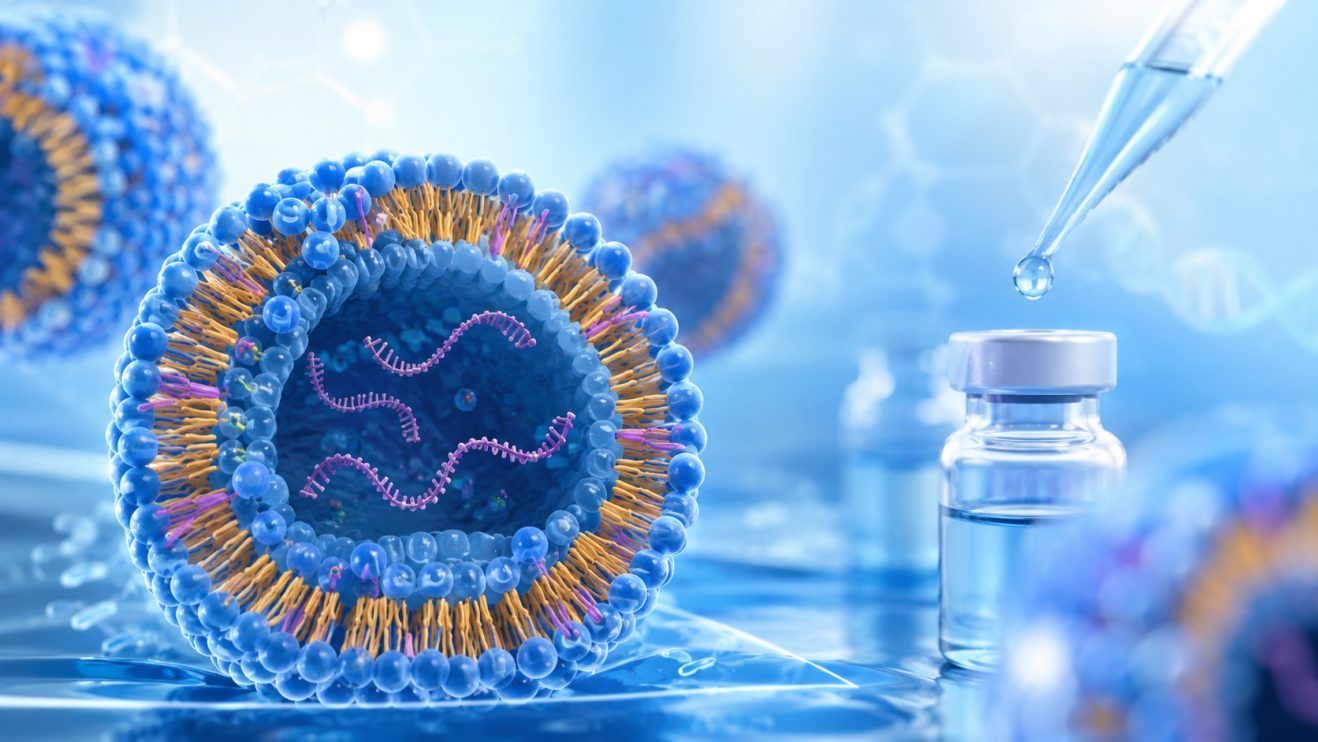
mRNA technology has taken the world by storm in recent years, particularly in the field of medicine. While its role in the development of COVID-19 vaccines has been a game-changer, mRNA's potential stretches far beyond that. Today, scientists are unlocking new possibilities for mRNA-based therapies that could revolutionize treatments for a range of diseases, including cancer, autoimmune disorders, and more. In this blog post, we'll dive into some exciting advancements in mRNA technology, including RNA-protein interaction analysis and custom T-cell reprogramming, and explore how these innovations are shaping the future of medicine.
Understanding RNA-Protein Interactions
One of the core challenges in biology is understanding how our genes are regulated. Genes don't operate in isolation—they interact with proteins that help turn them on or off. To decode these complex interactions, researchers use a powerful tool known as RNA-protein interaction analysis.
There are two key methods that have become increasingly important in the study of RNA-protein interactions: RIP-Seq (RNA Immunoprecipitation Sequencing) and CLIP-Seq (Crosslinking Immunoprecipitation Sequencing). Both techniques allow scientists to identify which proteins are interacting with specific RNA molecules at any given time.
Why does this matter? Well, proteins play a critical role in regulating RNA, and by understanding these interactions, researchers can uncover how certain genes are activated or silenced in diseases like cancer, neurodegenerative disorders, and viral infections. These insights are vital for developing new treatments that can precisely target the underlying causes of these conditions.
For instance, in cancer, some proteins interact with RNA in ways that can promote tumor growth. By identifying and blocking these interactions, scientists can design drugs that stop cancer cells from growing. The power of RIP-Seq and CLIP-Seq lies in their ability to uncover these hidden mechanisms and bring us one step closer to more targeted and effective therapies.
The Rise of Custom T-Cell Reprogramming by mRNA
While mRNA's role in vaccines is well-known, its use in custom T-cell reprogramming is less talked about but just as groundbreaking. T-cells are a type of white blood cell that plays a crucial role in our immune system by identifying and killing harmful cells, like those infected with viruses or cancer cells. However, cancer cells have a tricky way of evading the immune system, making them difficult to target.
This is where mRNA comes in. Scientists can now use mRNA to "reprogram" T-cells, instructing them to recognize and attack specific cancer cells. This method involves introducing mRNA into T-cells, which then "learn" how to identify and destroy the cancer cells based on the mRNA's instructions.
This personalized approach holds great promise for immunotherapy, especially in cancers that don't respond well to traditional treatments. By programming the T-cells to specifically target tumor cells, this strategy could be the key to more effective and less invasive cancer treatments.
Why mRNA-Based Therapies Are a Game-Changer
mRNA technology is more than just a tool for creating vaccines. It's a versatile platform that can be applied to a wide range of therapeutic areas, from infectious diseases to genetic disorders and cancer. The beauty of mRNA is that it can be tailored to target specific problems in the body, offering a more personalized approach to medicine.
For example, in the case of cancer immunotherapy, traditional treatments like chemotherapy or radiation work by attacking both cancer cells and healthy cells, often leading to severe side effects. In contrast, mRNA-based therapies like custom T-cell reprogramming can be designed to precisely target cancer cells, leaving healthy tissue largely untouched and minimizing side effects.
But mRNA doesn't stop at cancer. It has the potential to treat genetic diseases caused by defective genes. By introducing mRNA that carries the correct instructions, scientists could, in theory, repair or replace faulty genes, offering a new way to treat conditions like cystic fibrosis, muscular dystrophy, and sickle cell anemia.
The Future of mRNA: What's Next?
As exciting as these advancements are, we're still just scratching the surface of what mRNA can do. Researchers are continuing to develop new ways to harness this technology, with applications ranging from personalized cancer therapies to treatments for rare genetic disorders.
In addition to cancer and genetic diseases, mRNA's potential to combat autoimmune diseases and even neurodegenerative conditions is being explored. For instance, autoimmune diseases like lupus or rheumatoid arthritis, where the immune system attacks the body's own cells, could benefit from therapies that "retrain" the immune system using mRNA.
While challenges remain, such as improving the delivery of mRNA to specific cells in the body and ensuring its stability, the future looks incredibly promising. With continuous advancements in mRNA technology, the possibility of curing previously untreatable diseases is becoming more and more realistic.
Conclusion
mRNA technology is no longer just about vaccines—it's a versatile platform that has the potential to revolutionize the way we approach medicine. From RNA-protein interaction analysis that unlocks the mysteries of gene regulation to custom T-cell reprogramming for personalized cancer treatments, mRNA is paving the way for a new era in therapeutic development. As research continues to push the boundaries of what mRNA can achieve, the future of medicine is looking brighter than ever.
Stay tuned, as the mRNA revolution is just getting started.

 English
 Arabic
 French
 Portuguese
 Deutsch
 Turkish
 Dutch
 Italiano
 Russian
 Romaian
 Portuguese (Brazil)
 Greek
