
Ready-to-Eat Meals Market: Exploring New Product Formats and Consumer Demand Shifts Forecast 2025 - 2035
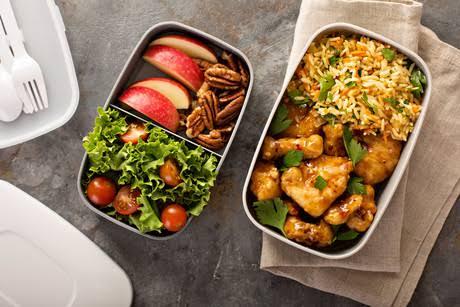
Ready-to-Eat Meals Market Overview:
As per MarketGenics analysis, the global Ready-to-Eat Meals market is projected to grow from USD 19.2 billion in 2025 to approximately USD 55.7 billion by 2035, registering a CAGR of 11.2% during the forecast period.
The worldwide market for ready-to-eat meals keeps growing because more consumers want quick dining options and major food companies keep inventing new products. Nestlé has increased its frozen and prepared meal business by adding new bowl meals and frozen products that Stouffer’s brand currently offers. Manufacturers introduce new ready-to-eat products because consumers require quick meal options with healthy food choices.
Get Free Exclusive Sample Report (PDF): https://marketgenics.co/download-report-sample/ready-to-eat-meals-market-51463
Market Scope
The Ready-to-Eat Meals Market is evolving from a convenience-focused category into a broader food segment shaped by changing lifestyles, health awareness and demand for diverse meal choices. Ready-to-eat meals include prepared foods that can be consumed directly or after limited heating, covering frozen meals, shelf-stable dishes, packaged curries, rice-based meals, pasta, noodles, meat and plant-based preparations. Current market analysis indicates that the global ready-to-eat food market continues to expand, supported by consumers seeking faster meal solutions without completely compromising taste or nutritional value.
Product development is increasingly moving toward portion-controlled meals, high-protein recipes, clean-label formulations and regionally inspired flavors. Online grocery, e-commerce and quick-commerce channels are also improving product accessibility, particularly in urban markets. In India, rising urbanization and changing household structures are contributing to demand for convenient meal formats.
Ready-to-Eat Meals Market Key Players:
Ajinomoto Co., Inc.
Bakkavor Group plc
Campbell Soup Company
Tyson Foods, Inc.
Conagra Brands, Inc.
Dr. Oetker GmbH
Fleury Michon S.A.
General Mills, Inc.
Greencore Group plc
Hormel Foods Corporation
Unilever PLC
ITC Limited
JBS S.A.
Maple Leaf Foods Inc.
McCain Foods Limited
Nestlé S.A.
Nissin Foods Holdings Co., Ltd.
Nomad Foods Limited
Sigma Alimentos, S.A. de C.V.
The Kraft Heinz Company
The competitive landscape includes multinational food manufacturers, established packaged-food producers and specialized ready-meal brands. Key players identified across industry research include Nestlé, General Mills, Conagra Brands, McCain Foods, Tyson Foods, ITC, MTR Foods, Haldiram Foods and Gits Food Products. Companies are competing through new product launches, improved packaging, expanded distribution networks and recipes designed around specific nutritional or dietary preferences.
Growth Drivers
Convenience remains one of the strongest growth factors. Longer working hours, urban lifestyles, smaller households and the increasing number of dual-income families are encouraging consumers to reduce meal-preparation time. Ready meals provide a practical alternative when consumers want a complete meal without extensive cooking or cleanup.
Health and nutrition are also becoming important sources of product differentiation. Consumers are showing greater interest in meals featuring protein, vegetables, whole grains, plant-based ingredients and simpler ingredient lists. Industry research also highlights growing interest in functional benefits and portion control, creating opportunities for manufacturers to move beyond traditional frozen or shelf-stable meals.
Digital retail is another important growth avenue. E-commerce and rapid delivery services make ready-to-eat products easier to discover and purchase, while improved cold-chain and packaging technologies can support the distribution of frozen and chilled products. Regional cuisines and international flavors are further helping brands appeal to consumers looking for variety.
Purchase Full Report Now https://marketgenics.co/buy/ready-to-eat-meals-market-51463
Challenges
Despite strong demand potential, the market faces several challenges. Consumers remain sensitive to concerns surrounding sodium, preservatives, saturated fat, calories and perceived processing levels. This creates pressure on manufacturers to reformulate products while maintaining taste, shelf life and affordability.
Cold-chain requirements can also increase logistics costs for frozen and chilled meals, particularly in developing markets where distribution infrastructure remains uneven. Packaging sustainability is another consideration as individually portioned meals can generate significant packaging waste. In addition, manufacturers must manage fluctuating raw-material costs, food-safety requirements and intense competition from restaurants, meal-delivery services and home-cooked food.
Investment Opportunity
Investment opportunities are emerging around healthier formulations, premium convenience meals, plant-based and protein-rich products, regional cuisine formats, sustainable packaging and digitally enabled distribution. Businesses that combine convenience with nutrition, authentic flavors and efficient supply chains may find additional opportunities as consumer expectations continue to evolve.
Contact:
Mr. Debashish Roy
MarketGenics Global Research
800 N King Street, Suite 304 #4208, Wilmington, DE 19801, United States
USA: +1 (302) 303-2617
Email: sales@marketgenics.co
Website: https://marketgenics.co

 English
 French
 Spanish
 Portuguese
 Deutsch
 Turkish
 Dutch
Dutch
 Italiano
 Russian
 Romaian
 Portuguese (Brazil)
 Greek
Greek
