
Oxygen Therapy at Home for Respiratory Recovery: What Families Should Know
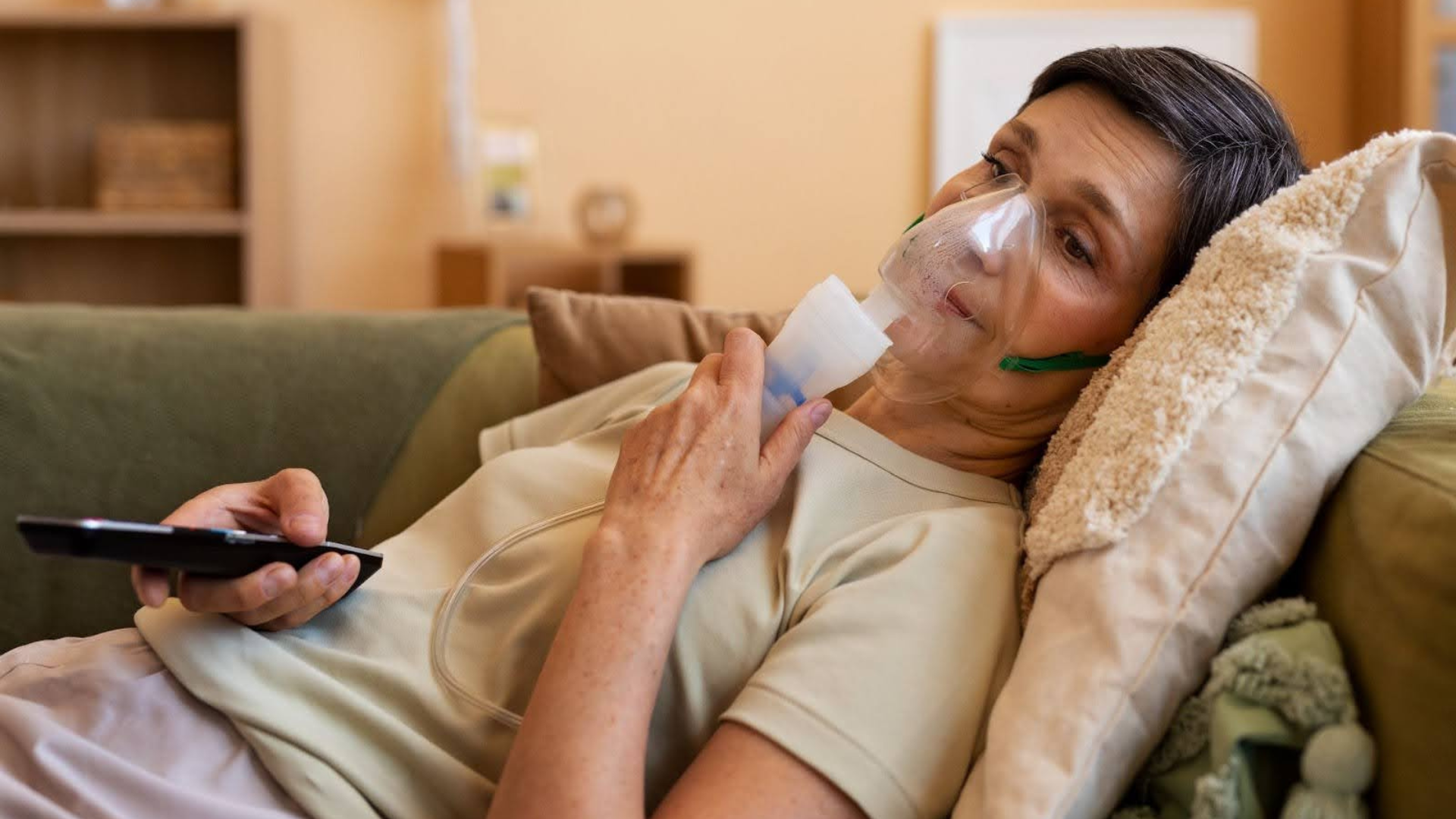
Respiratory recovery can require patience, monitoring, and consistent support, particularly after an illness, hospitalization, or period of breathing difficulty. Oxygen Therapy At Home In Dubai may be prescribed for patients who need supplemental oxygen while recovering or managing an ongoing respiratory condition. With appropriate guidance from Doctor at Home, families can help create a safe and organized environment where prescribed oxygen therapy fits into the patient's daily routine. Understanding equipment, safety precautions, activity levels, monitoring, and follow-up can help caregivers provide more effective support throughout the recovery process.
Understanding Oxygen Therapy During Recovery:
Oxygen therapy provides supplemental oxygen when a healthcare professional determines that a patient's body requires additional oxygen support. During respiratory recovery, oxygen may be prescribed for a specific period or as part of longer-term care, depending on the individual's condition. Families should understand that oxygen therapy supports the treatment plan but does not necessarily treat the underlying cause of breathing difficulties. The duration and amount of oxygen required should always be determined by the patient's healthcare team.
Why Oxygen May Be Needed After Illness:
Some patients may continue to require supplemental oxygen after an acute respiratory illness or hospitalization. Recovery can take time, and a patient's oxygen needs may change as their condition improves. Factors such as reduced activity tolerance, weakness, underlying respiratory conditions, or complications may influence the need for oxygen support. Families should follow discharge instructions carefully and attend recommended follow-up appointments so the healthcare team can reassess the patient's progress.
Follow the Prescribed Oxygen Plan:
One of the most important responsibilities for families is following the prescribed oxygen plan. The healthcare professional may provide instructions about flow rate, duration, delivery method, and when oxygen should be used. Caregivers should not increase, decrease, or discontinue oxygen without appropriate medical guidance, even if the patient appears to feel better.
The care plan may specify:
- Oxygen flow rate
- Hours of daily use
- Use during sleep
- Use during physical activity
- Type of oxygen delivery device
- Recommended monitoring
- Follow-up requirements
Prepare the Home Environment:
Before beginning home oxygen therapy, families should create an organized and safe space for the equipment. Oxygen concentrators need appropriate airflow, while cylinders should be stored securely according to supplier and manufacturer instructions. Equipment should not block hallways, exits, or commonly used areas. Tubing should be arranged carefully to reduce the risk of falls, especially for elderly patients or people with limited mobility.
Follow Essential Oxygen Safety Rules:
Oxygen supports combustion, making fire prevention an essential part of home respiratory care. Smoking, candles, open flames, and unsafe heat sources should be kept away from oxygen equipment. Family members, visitors, and caregivers should understand the household's oxygen safety requirements.
Important precautions include:
- Never smoke near oxygen equipment.
- Keep oxygen away from open flames.
- Avoid unsafe heat sources.
- Store oxygen equipment according to instructions.
- Keep electrical cords and tubing organized.
- Do not use damaged equipment.
- Keep emergency contacts easily accessible.
Monitor the Patient's Recovery:
Families play an important role in observing changes during respiratory recovery. Patients may be instructed to monitor oxygen saturation using a pulse oximeter, but readings should be interpreted according to the healthcare professional's guidance. Caregivers should also observe the patient's breathing comfort, activity tolerance, energy levels, and general alertness. A change in symptoms may be important even when a single oxygen saturation reading appears acceptable.
Recognize Changes That Need Medical Attention:
Recovery is not always completely predictable. A patient may experience good and bad days, but certain symptoms should not be ignored. Increasing breathlessness, chest discomfort, unusual confusion, fainting, significant weakness, or sudden deterioration may require prompt medical evaluation. Families should know which symptoms require routine contact with the healthcare team and which require emergency assistance.
Support Rest and Sleep:
Adequate rest is an important part of respiratory recovery. Patients may become tired more easily after illness or hospitalization and may need additional rest between activities. If oxygen has been prescribed during sleep, families should follow the established nighttime instructions. Equipment and tubing should be arranged safely before bedtime, and commonly needed items should be kept within reach when mobility is limited.
Gradually Resume Daily Activities:
Returning to normal activities should generally be gradual and based on the patient's condition and professional recommendations. Simple activities such as personal hygiene, eating, short walks, or light household tasks may require more energy during recovery. Patients should take appropriate rest breaks and avoid pushing themselves beyond their recommended activity level.
Suitable activities may include:
- Short walks when approved
- Gentle mobility exercises
- Prescribed rehabilitation activities
- Personal care tasks
- Light household activities
- Breathing exercises when professionally recommended
Manage Mobility Safely:
Patients recovering from respiratory illness may also experience weakness or reduced balance. When oxygen tubing is involved, these challenges can increase the risk of falls. Families should keep walkways clear, organize tubing carefully, and provide assistance when necessary. Patients using walkers, wheelchairs, or other mobility aids may require additional planning when moving with oxygen equipment.
Maintain Equipment Correctly:
Proper equipment care helps support reliable oxygen delivery. Families should inspect tubing, nasal cannulas, masks, and other components for visible damage or problems. Cleaning and replacement should follow manufacturer or healthcare instructions. Oxygen equipment should never be repaired or modified without appropriate professional guidance.
If an equipment problem occurs, caregivers should:
- Check whether connections are secure.
- Review the equipment instructions.
- Contact the equipment supplier when necessary.
- Avoid unauthorized repairs.
- Seek medical advice if oxygen delivery may be interrupted.
Support Nutrition and Hydration:
Good nutrition and appropriate hydration can support general recovery, although individual needs vary. Some patients may have dietary or fluid restrictions because of other medical conditions. Families should follow the patient's healthcare plan rather than making major dietary changes independently. Planning meals, fluids, and medications around the patient's energy levels can make daily care more manageable.
Keep Track of Medications and Appointments:
Respiratory recovery may involve medications, follow-up visits, rehabilitation, and other treatments in addition to oxygen therapy. Families can use a written schedule or medication organizer to keep track of prescribed treatments. Oxygen therapy should be considered one part of the overall care plan rather than a replacement for other prescribed treatments.
Provide Emotional Support:
Recovering from breathing difficulties can be stressful for both patients and families. Patients may feel anxious about breathlessness, reduced independence, or needing equipment at home. Calm communication and encouragement can help create a supportive environment. Families should also recognize that emotional concerns may need professional attention when they interfere significantly with sleep, daily activities, or recovery.
Know When Professional Home Support May Help:
Some patients may have difficulty managing oxygen equipment or completing daily activities independently. Professional home-care support can assist with established routines, mobility, personal care, equipment organization, and observation of changes. This can be particularly useful for elderly patients, individuals with limited mobility, or those returning home after hospitalization. Professional support should complement the patient's medical plan and not replace appropriate clinical follow-up.
Prepare for Power Interruptions:
Patients who use oxygen concentrators should have an appropriate plan for electrical interruptions. Families can discuss backup arrangements with their healthcare provider or oxygen equipment supplier based on the patient's oxygen requirements. Emergency contact information should be easy to locate, and everyone involved in care should know how to respond if the primary equipment becomes unavailable.
Schedule Regular Medical Reviews:
Follow-up appointments are important during respiratory recovery because oxygen requirements may change as the patient's condition improves. Healthcare professionals can assess symptoms, oxygen needs, activity tolerance, and overall progress. Families should report meaningful changes rather than waiting until the next appointment if symptoms become concerning. Oxygen flow or duration should only be adjusted according to professional medical instructions.
Build a Long-Term Recovery Routine:
A structured routine can help patients and caregivers manage oxygen therapy more confidently. Daily planning should include prescribed oxygen use, equipment checks, medication schedules, meals, hydration, rest, appropriate activity, and monitoring when recommended. The routine should remain flexible enough to accommodate changes in the patient's condition while maintaining the core safety requirements of oxygen therapy.
Final Thoughts:
Oxygen Therapy At Home In Dubai can provide important respiratory support during recovery when it is prescribed and managed appropriately. Families can contribute to a safer recovery by following the oxygen prescription, maintaining equipment, preventing fire hazards, monitoring changes, supporting rest and gradual activity, and keeping medical follow-up appointments. Patients should not independently change their oxygen settings or discontinue therapy simply because symptoms improve. With organized home care, appropriate professional guidance, and attentive family support, oxygen therapy can become a manageable part of the recovery process while the healthcare team continues to evaluate the patient's progress.

 English
 Arabic
 French
 Spanish
 Deutsch
 Turkish
 Dutch
Dutch
 Italiano
 Russian
 Romaian
 Portuguese (Brazil)
 Greek
Greek
