
Stainless Steel Angle: A Complete Guide to Applications, Benefits, and Selection
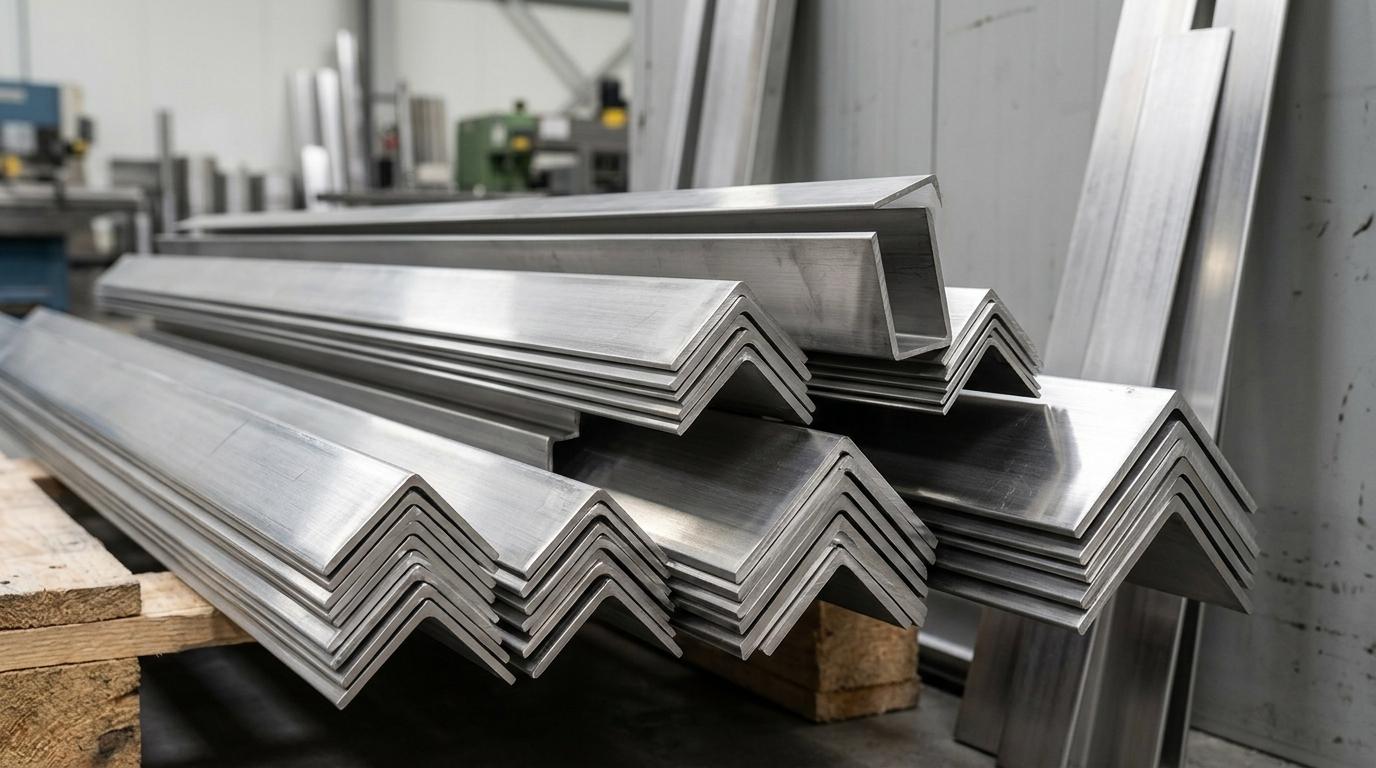
Stainless steel is one of the most widely used materials in modern construction, engineering, fabrication, and industrial applications. Its combination of durability, corrosion resistance, strength, and attractive appearance makes it suitable for demanding environments. Among the many stainless steel products available today, the stainless steel angle is a particularly versatile profile used in structural, architectural, manufacturing, and fabrication projects.
A stainless steel angle is generally manufactured in an L-shaped profile, providing two legs that meet at a 90-degree angle. Depending on the application, angles can be supplied in different sizes, thicknesses, grades, lengths, and finishes. This flexibility allows engineers, contractors, fabricators, and manufacturers to select a suitable profile for specific requirements.
What Is a Stainless Steel Angle?
A stainless steel angle is a structural or fabrication profile featuring two perpendicular sides. The L-shaped design provides useful support and rigidity while maintaining a relatively simple profile that can be easily incorporated into different assemblies.
Stainless steel angles are manufactured from corrosion-resistant stainless steel grades. The exact properties depend on the grade selected. Different grades can offer varying levels of corrosion resistance, strength, weldability, machinability, and temperature resistance.
Because of these characteristics, stainless steel angles are commonly used in environments where ordinary carbon steel may require additional protective coatings or frequent maintenance.
Common Types of Stainless Steel Angles
Stainless steel angles are available in several configurations depending on the project requirements.
Equal Angle
An equal angle has two legs of the same length. This symmetrical design makes it suitable for many general-purpose structural and fabrication applications.
Equal angles are often selected when balanced support is required and when the same dimensions are useful on both sides of the profile.
Unequal Angle
An unequal angle has legs of different lengths. This design can be useful when a project requires a specific support arrangement or when space limitations prevent the use of an equal profile.
Unequal angles are frequently used in specialized fabrication and structural applications where different dimensions are required.
Slotted Angle
Slotted stainless steel angles include openings or slots that can make assembly and adjustment easier. These profiles can be useful in modular structures, racks, shelving systems, frames, and equipment assemblies.
The exact design and hole pattern can vary depending on the manufacturer and intended use.
Benefits of Stainless Steel Angles
Stainless steel angles offer several advantages that make them valuable for construction and industrial applications.
Excellent Corrosion Resistance
One of the main reasons stainless steel is selected is its resistance to corrosion. The chromium content in stainless steel contributes to the formation of a protective passive layer on the surface.
This characteristic makes stainless steel suitable for applications involving moisture, humidity, chemicals, and outdoor exposure. However, the actual corrosion resistance depends on the stainless steel grade and environmental conditions.
High Strength
Stainless steel provides useful mechanical strength for a wide range of applications. An angle profile can distribute loads through its two legs, making it suitable for support and reinforcement applications.
The required thickness and grade should always be selected according to the expected load and engineering requirements.
Long Service Life
When correctly specified and maintained, stainless steel can provide long-term service. Its corrosion resistance can reduce the need for frequent repainting or protective treatments compared with some conventional metals.
This can be particularly beneficial for installations where maintenance access is difficult or where long service life is an important consideration.
Attractive Appearance
Stainless steel has a clean and professional appearance that works well in architectural and decorative applications. Different finishes can be used to achieve a specific visual effect.
Polished, brushed, satin, and other finishes may be available depending on the product and supplier.
Easy Fabrication
Stainless steel angles can be fabricated using suitable cutting, drilling, bending, and welding techniques. This makes them practical for custom assemblies and project-specific requirements.
Fabricators should use appropriate equipment and procedures because stainless steel can require different processing techniques compared with mild steel.
Applications of Stainless Steel Angle
The versatility of stainless steel makes angles useful across many sectors.
Construction
In construction, stainless steel angles can be used for framing, reinforcement, supports, brackets, edges, and other structural or finishing applications.
They can also be incorporated into building components where resistance to moisture and environmental exposure is important.
Architectural Applications
Architects and interior designers often use stainless steel profiles because of their clean appearance and durability.
Angles can be used around wall panels, partitions, staircases, doors, counters, ceilings, and other architectural features.
Food Processing Industry
Hygiene and corrosion resistance are important considerations in food processing facilities. Stainless steel is widely used in food-related environments because it can provide a durable and cleanable surface.
Stainless steel angles can be used in equipment frames, supports, platforms, workstations, and other fabricated components.
The specific stainless steel grade and surface finish should be selected according to applicable hygiene and operational requirements.
Pharmaceutical Industry
Pharmaceutical facilities require materials that can withstand controlled cleaning and processing environments. Stainless steel is commonly used in equipment and structures because of its corrosion resistance and clean surface characteristics.
Angles can form part of equipment frames, supports, platforms, and other fabricated assemblies.
Chemical Industry
Chemical processing environments can expose materials to aggressive substances. Stainless steel can provide useful corrosion resistance, although the correct grade must be selected based on the specific chemicals, concentrations, temperatures, and operating conditions.
Using an unsuitable stainless steel grade can lead to premature corrosion, so technical evaluation is important.
Marine Applications
Marine environments contain moisture and salt, making corrosion resistance particularly important. Stainless steel angles can be used in selected marine structures, equipment, fittings, and fabrication projects.
The appropriate grade should be carefully selected for the marine environment, especially when the material is exposed directly to seawater.
Industrial Fabrication
Fabrication workshops use stainless steel angles to manufacture frames, supports, machinery components, racks, platforms, guards, and customized structures.
Their straightforward L-shaped design makes them easy to integrate into many fabricated assemblies.
Stainless Steel Grades
Choosing the correct grade is an important part of purchasing stainless steel angles.
Stainless Steel 304
304 is one of the most commonly used stainless steel grades. It provides good corrosion resistance and is widely used in construction, food-related equipment, architectural applications, and general fabrication.
It is often selected for indoor and moderately demanding environments.
Stainless Steel 316
316 contains molybdenum, which improves resistance to certain forms of corrosion compared with 304. It is often considered for marine environments, chemical applications, and locations where exposure to chlorides is a concern.
The final choice should be based on the actual operating environment rather than simply selecting a grade based on general reputation.
Other Stainless Steel Grades
Other grades are available for specialized applications requiring specific mechanical, chemical, thermal, or fabrication characteristics.
Before ordering, buyers should confirm the grade, applicable standards, dimensions, thickness, and required certification.
How to Choose the Right Stainless Steel Angle
Selecting the correct angle profile involves considering several factors.
Size
The dimensions of the two legs should match the project's design. Equal and unequal angles are available in various sizes.
Thickness
Thickness influences the strength, rigidity, weight, and fabrication characteristics of the angle. Heavy-duty applications may require thicker profiles, while decorative projects may use lighter sections.
Grade
The stainless steel grade should be selected according to environmental exposure, mechanical requirements, and fabrication needs.
Finish
The required finish depends on the application. Architectural projects may require polished or brushed finishes, while industrial applications may prioritize functional performance.
Length
Angles may be available in standard lengths or can sometimes be cut according to customer requirements. Accurate measurements can help reduce waste and simplify installation.
Standards
For engineering and construction projects, buyers should confirm the applicable material and dimensional standards. Documentation such as material certificates may also be required for certain industrial projects.
Stainless Steel Angle in the UAE
The UAE has a strong demand for stainless steel products due to its construction, infrastructure, manufacturing, hospitality, food processing, marine, and industrial sectors.
The country's climate makes corrosion resistance an important consideration for many projects. High temperatures, humidity, dust, and coastal exposure can influence material selection.
Stainless steel angles are used in a variety of UAE projects, including commercial buildings, warehouses, industrial facilities, restaurants, kitchens, fabrication workshops, and architectural installations.
For projects near coastal areas, selecting the appropriate stainless steel grade and finish is especially important.
Stainless Steel Angle Supplier in UAE
When purchasing a stainless steel angle in the UAE, customers should consider product quality, stock availability, material grade, dimensions, finish, and supplier reliability.
A professional supplier should be able to provide detailed product specifications and help customers identify suitable profiles according to their application.
For large construction or industrial projects, buyers may also require bulk quantities, specific lengths, customized cutting, or material certification.
It is useful to discuss project requirements with the supplier before placing an order. This can help ensure that the selected angle meets the project's technical and dimensional requirements.
Maintenance and Care
Although stainless steel is highly resistant to corrosion, it is not completely maintenance-free. Regular cleaning can help preserve its appearance and performance.
Dirt, dust, salt deposits, and industrial contaminants should be removed when necessary. Appropriate cleaning methods should be used to avoid damaging the surface.
In coastal or industrial environments, periodic inspection can help identify contamination, scratches, deposits, or other issues at an early stage.
Avoiding contact with unsuitable chemicals and incompatible metals can also help reduce the risk of corrosion-related problems.
Stainless Steel Angle vs Mild Steel Angle
Both stainless steel and mild steel angles have applications in construction and fabrication, but their characteristics differ.
Mild steel can provide good strength at a competitive cost, but it generally requires protective coatings in environments where corrosion is a concern.
Stainless steel offers inherent corrosion resistance and can provide a longer-lasting solution in many demanding environments. However, stainless steel products can have a higher initial material cost.
The appropriate choice depends on factors such as environment, required service life, strength requirements, maintenance expectations, appearance, and project budget.
Importance of Buying Quality Material
The quality of the stainless steel angle can directly influence the performance of a fabricated structure. Incorrect dimensions, unsuitable grades, inconsistent thickness, or poor surface quality can create problems during fabrication and installation.
Professional suppliers can provide product information that helps buyers verify the material before purchasing.
For important projects, customers should confirm the material grade, dimensions, thickness, finish, quantity, and relevant standards.
Conclusion
A stainless steel angle is a versatile metal profile that can be used in construction, fabrication, architecture, food processing, marine applications, chemical industries, and many other sectors. Its L-shaped design provides practical support and makes it easy to incorporate into different structures and assemblies.
The major benefits of stainless steel angles include corrosion resistance, strength, durability, attractive appearance, and fabrication flexibility. However, choosing the right product requires careful consideration of grade, dimensions, thickness, finish, length, and environmental conditions.
For UAE projects, buyers should work with an experienced stainless steel supplier who can provide suitable products and technical information. By selecting the correct stainless steel grade and profile for the intended application, businesses and contractors can achieve reliable performance, efficient fabrication, and long-term value.

 English
 Arabic
 French
 Portuguese
 Deutsch
 Turkish
 Dutch
Dutch
 Italiano
 Russian
 Romaian
 Portuguese (Brazil)
 Greek
Greek
