
Planning a New Craftsman Garage Door Installation? Start Here
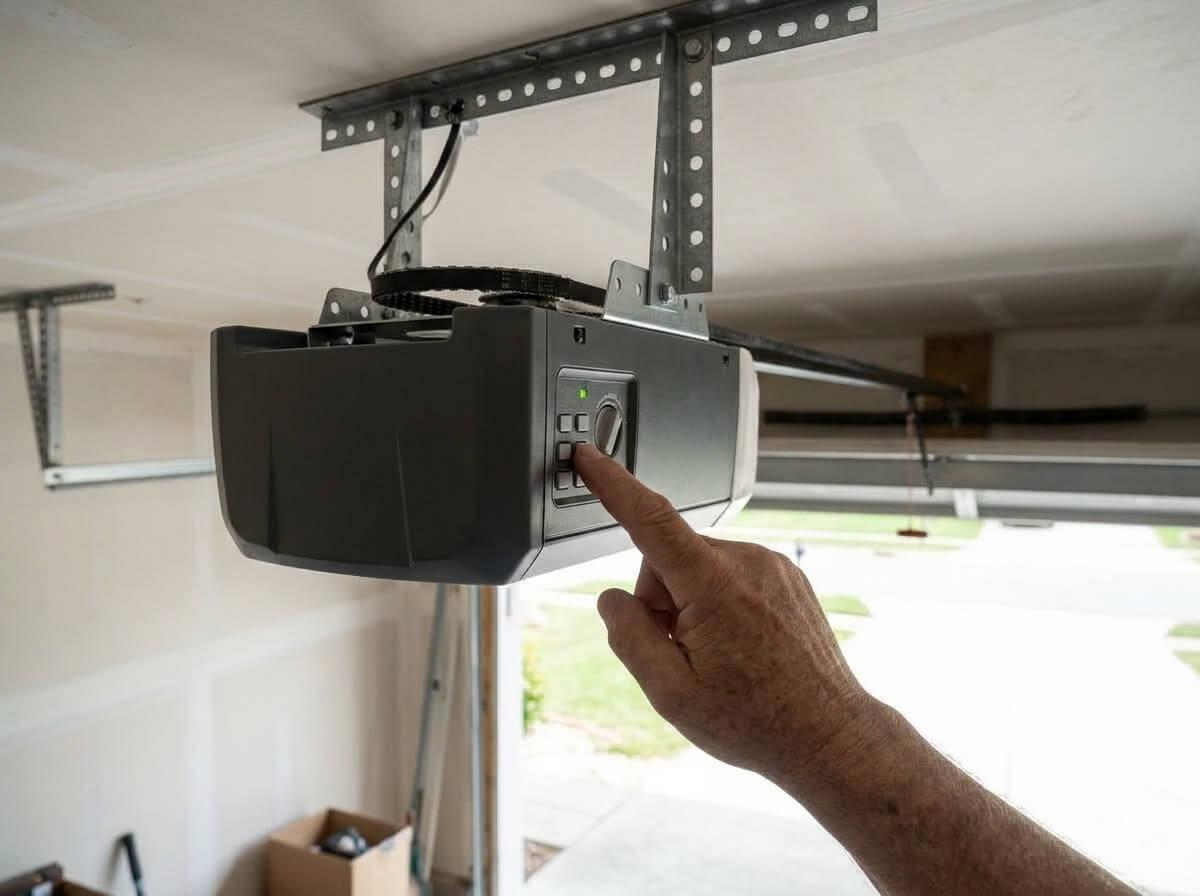
Deciding to move forward with a Craftsman garage door installation is a meaningful home upgrade, whether you're replacing an aging opener, updating the entire door system, or starting fresh after moving into a new home. Because Craftsman offers a range of opener types and hardware options spanning both older and newer generations, a bit of planning upfront makes the entire process smoother and helps you avoid surprises once installation day arrives.
This guide walks homeowners in League City and the surrounding area through what to consider before installation, what the process typically involves, and how to choose a provider equipped to handle the job properly.
Understanding Your Craftsman Options
Before diving into the planning process, it helps to have a general sense of what's available within the Craftsman lineup, since this affects both cost and the installation process itself.
Opener Drive Types
-
Chain-drive openers: Durable and cost-effective, though generally louder than other options
-
Belt-drive openers: Quieter operation, often preferred for garages attached to living spaces
-
Screw-drive openers: Fewer moving parts, which can mean less maintenance over time
Additional Features to Consider
-
Battery backup, which keeps the opener functional during power outages
-
Smart connectivity, allowing remote monitoring or control through a mobile app
-
Rolling code technology, which improves security by changing the remote's access code with each use
Understanding which combination of drive type and features fits your household's needs helps narrow down the decision before you even start contacting installers.
Key Questions to Ask Yourself Before Installation
Are You Replacing Just the Opener, or the Entire Door System?
Sometimes a Craftsman garage door installation involves replacing only the opener while keeping the existing door and track system in place. Other times, it's part of a broader door replacement. Knowing which scenario applies to you upfront helps installers provide an accurate estimate and timeline.
What's Your Garage's Current Electrical Setup?
Most openers require access to a nearby electrical outlet. If your garage doesn't currently have one conveniently located, this is worth addressing before installation, since it can affect both timeline and cost.
Do You Need the New System to Integrate With Existing Hardware?
If you're only replacing the opener and keeping the current door, tracks, and springs, confirming compatibility between the new opener and existing hardware is an important early step. Not all components are universally interchangeable, particularly with older systems.
What's Your Household's Usage Pattern?
A door used dozens of times a day by multiple vehicles has different durability needs than one used occasionally. This can influence which drive type and opener strength makes the most sense for your situation.
Planning Checklist Before Installation Day
A little preparation goes a long way toward a smooth installation experience:
-
Clear the garage space, including vehicles, tools, and stored items near the door and track area
-
Remove anything mounted to the existing door, such as security cameras or decorative hardware
-
Confirm electrical outlet access near the opener's planned location
-
Note any items you'll need from the garage during the time it's inaccessible for installation
-
Plan for a few hours without garage access, depending on the scope of the project
What to Expect During Installation
Understanding the general flow of a professional Craftsman garage door installation helps set realistic expectations:
-
Initial assessment, including measurements, evaluation of existing hardware, and discussion of drive type and feature preferences
-
Removal of the old system (if applicable), including the previous opener, door panels, or hardware being replaced
-
Installation of tracks and hardware, calibrated to the new door's weight and specifications
-
Opener installation, including mounting, wiring, and initial calibration
-
Safety feature testing, confirming auto-reverse sensors and force settings are properly configured
-
Remote and keypad programming, syncing all access devices to the new system
-
Final walkthrough, where the installer demonstrates proper operation and answers any questions
A well-executed installation should leave the system operating smoothly and quietly from the very first use, with all safety features properly tested and confirmed.
Comparing Drive Types at a Glance
|
Drive Type |
Noise Level |
Maintenance |
Best For |
|
Chain-drive |
Louder |
Moderate |
Detached garages, budget-conscious installs |
|
Belt-drive |
Quiet |
Low |
Attached garages, homes near living spaces |
|
Screw-drive |
Moderate |
Low |
Homes wanting fewer moving parts |
This comparison is a general starting point; a technician can offer more specific guidance based on your garage's layout and household needs.
Choosing the Right Installer
Not every garage door technician has equal experience with Craftsman-specific systems, particularly given how the product line has evolved across generations. When researching Craftsman garage door installers, consider the following:
-
Direct experience with Craftsman products, rather than general garage door knowledge alone
-
Licensing and insurance, confirmed directly rather than assumed
-
Transparent, written estimates that break down labor, parts, and any additional costs
-
Warranty coverage on both the installed system and the labor involved
-
Clear communication about what preparation is expected from you before installation day
A provider offering established Craftsman garage door installation services should be able to speak knowledgeably about drive type differences, feature compatibility, and what to expect throughout the process, without hesitation or vague generalities.
Questions Worth Asking a Potential Installer
-
How much experience does your team have specifically with Craftsman systems?
-
Can you walk me through the installation process and expected timeline?
-
What's included in your written estimate?
-
How do you handle unexpected issues discovered during installation, such as structural problems?
-
What warranty coverage applies to the installed system and your labor?
Clear, specific answers to these questions are a good sign you're working with a provider genuinely equipped to handle the job.
Common Mistakes to Avoid When Planning Installation
-
Not clearing the garage space in advance, which can slow down the installation timeline
-
Assuming full compatibility between new and existing hardware without confirming with the installer first
-
Choosing based on price alone, without factoring in drive type, features, and long-term durability
-
Skipping questions about warranty coverage until after the installation is already complete
-
Overlooking electrical outlet access, which can cause delays if addressed only on installation day
Taking the time to think through these details beforehand helps avoid unnecessary complications once the installation process begins.
After Installation: Getting Started on the Right Foot
Once your new system is installed, a few early steps help ensure long-term reliability:
-
Test all safety features, including auto-reverse, during the final walkthrough with your installer
-
Program any additional remotes or keypads you'll need for household members
-
Review the manufacturer's maintenance recommendations for your specific opener model
-
Keep documentation of your warranty coverage in an accessible place for future reference
For homeowners in League City planning a new installation, working with an experienced provider like Level Up Garage Door Pros for Craftsman garage door installation means the process is handled by a team familiar with the brand's specific hardware and feature options, from the initial consultation through final testing.
Frequently Asked Questions
How long does a typical Craftsman garage door installation take? Most installations are completed within a few hours, though this can vary depending on whether it's an opener-only replacement or a more involved project including door and track work.
Can I keep my existing garage door and only replace the Craftsman opener? In many cases, yes, provided the existing door and hardware are in good condition and compatible with the new opener. This is worth confirming directly with your installer.
Do I need a specific type of outlet for a Craftsman garage door opener? Most openers require a standard grounded outlet within reasonable proximity to the mounting location. If your garage doesn't currently have one conveniently placed, mention this when scheduling your installation.
What's the difference between chain-drive, belt-drive, and screw-drive openers? Chain-drive openers are generally more affordable but louder, belt-drive openers operate more quietly and suit garages near living spaces, and screw-drive openers have fewer moving parts, which can mean lower long-term maintenance.
Will I need to reprogram my existing remotes after installation? Typically yes, especially if you're installing a new opener. Your installer should handle programming remotes and keypads as part of the installation process.
Final Thoughts
Planning ahead makes all the difference when it comes to a smooth Craftsman garage door installation. Understanding your drive type options, clarifying whether you're replacing the opener alone or the full system, and choosing an installer with genuine experience in Craftsman hardware all contribute to a process that goes smoothly from consultation to final walkthrough. With the right preparation and the right team handling the technical work, most homeowners find the transition to a new, reliable system is far simpler than they initially expected.

 English
 Arabic
 French
 Portuguese
 Deutsch
 Turkish
 Dutch
Dutch
 Italiano
 Russian
 Romaian
 Portuguese (Brazil)
 Greek
Greek
