
What Happens During a Mole Removal Appointment?
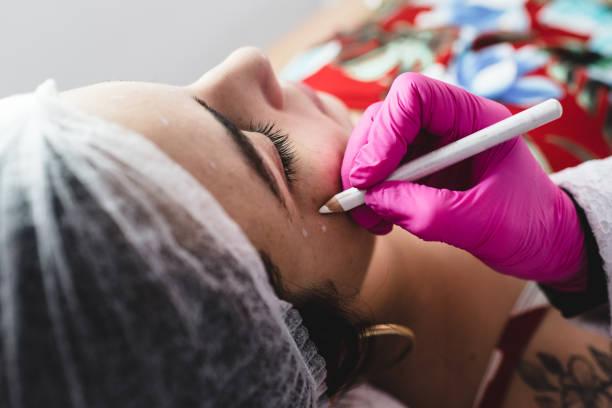
A mole removal appointment is usually a straightforward dermatological process, but knowing what happens beforehand can make the experience feel much easier. Whether a mole is being removed for cosmetic reasons or because a dermatologist wants to examine it more closely, the appointment generally begins with an assessment and discussion of the most suitable approach. For anyone researching Cost of mole removal in Riyadh (تكلفة إزالة الشامة في الرياض), understanding the steps involved can help you prepare for a professional consultation and treatment.
The Appointment Begins With a Skin Assessment
When you arrive for your appointment, the dermatologist will first examine the mole and the surrounding skin. They may ask when you first noticed it, whether it has changed in size, shape, color, or texture, and whether it has caused symptoms such as itching, bleeding, or irritation.
A dermatoscope may also be used to examine the mole more closely. This specialized device can help the dermatologist evaluate features that may not be visible during a standard visual examination. The assessment helps determine whether removal is appropriate and which technique may be suitable.
Discussing the Removal Method
Once the mole has been assessed, the dermatologist explains the recommended treatment approach. The method can depend on the mole's size, location, shape, depth, and appearance.
Shave Excision
For selected raised moles, a dermatologist may use shave excision to remove the visible portion of the lesion. This technique generally involves separating the mole from the surrounding skin using a sterile instrument.
Surgical Excision
For certain moles, surgical excision may be recommended. The dermatologist removes the mole along with an appropriate margin of surrounding tissue and may close the area with stitches. This method can be particularly relevant when the tissue needs to be examined more thoroughly.
Other Treatment Approaches
Some lesions may be suitable for other techniques, but the method should be selected after professional assessment. A procedure that is appropriate for one mole may not be appropriate for another.
Preparing the Skin for Treatment
Before removal begins, the treatment area is cleaned carefully. The dermatologist may mark the area to identify precisely what needs to be removed. The goal is to maintain a clean treatment field and help the procedure proceed safely.
If the mole is being removed because it appears unusual, the dermatologist may also explain whether the removed tissue will be sent for laboratory examination. This can provide additional information when microscopic evaluation is medically appropriate.
Local Anesthetic May Be Used
Many mole removal procedures are performed using local anesthesia. A small amount of anesthetic is applied or injected around the treatment area to reduce discomfort during removal.
You may feel a brief pinch or pressure when the anesthetic is administered. Once the area becomes numb, you generally should not feel sharp pain during the removal itself, although pressure or movement may still be noticeable.
The Mole Is Carefully Removed
The actual removal process depends on the technique selected. The dermatologist works carefully to remove the targeted tissue while limiting unnecessary damage to the surrounding skin.
The procedure may be relatively quick for a small, uncomplicated mole, while deeper or more complex lesions can require additional time. If stitches are needed, they are placed after the mole has been removed and the area has been prepared for closure.
What Happens Immediately After Removal?
After the procedure, the dermatologist will usually clean the treated area and apply an appropriate dressing or wound covering when necessary. You may receive instructions about keeping the area clean, changing dressings, and protecting the wound during healing.
Temporary redness, tenderness, swelling, crusting, or sensitivity may occur depending on the technique used. Your dermatologist can explain which changes are expected and which symptoms should prompt you to contact the clinic.
Will the Removed Mole Be Examined?
Not every mole requires the same type of evaluation. When a dermatologist considers a mole suspicious or believes microscopic assessment is appropriate, the removed tissue may be sent to a laboratory for examination.
This is one reason professional assessment matters before choosing a removal method. Cosmetic concerns and medical considerations should both be taken into account when planning treatment.
Understanding Your Appointment
Knowing what happens during Cost of mole removal in Riyadh consultations can help you approach your appointment with realistic expectations. The exact process varies according to the mole and the removal technique selected by the dermatologist. A professional evaluation allows the treatment plan to be tailored to the individual rather than using the same method for every mole.
Book a Consultation at Royal Clinic Saudia
If you are considering mole removal, a professional assessment is an important first step. Royal Clinic Saudia (عيادات رويال كلينك) can provide guidance about the examination process, suitable treatment options, and aftercare based on your individual skin concerns. Discussing your goals and concerns during the consultation can help you understand what to expect from your appointment.
FAQs:
Is mole removal painful?
Most procedures use local anesthesia to reduce discomfort. You may feel a brief pinch during anesthetic administration, followed by pressure or sensation during the procedure rather than significant sharp pain.
How long does a mole removal appointment take?
The time varies depending on the mole, its location, its depth, and the removal technique. Simple removals may be relatively quick, while more involved procedures can take longer.
Will I need stitches after mole removal?
Not always. Stitches may be used when surgical excision creates a wound that needs closure. The need for stitches depends on the technique and the characteristics of the mole.
Can a removed mole be examined in a laboratory?
Yes. When medically indicated, the removed tissue can be sent for histopathological examination to assess it under a microscope.

 English
 Arabic
 French
 Spanish
 Portuguese
 Deutsch
 Turkish
 Dutch
Dutch
 Italiano
 Russian
 Portuguese (Brazil)
 Greek
Greek
