
Easy Severe Pain Treatment Tips for Daily Comfort
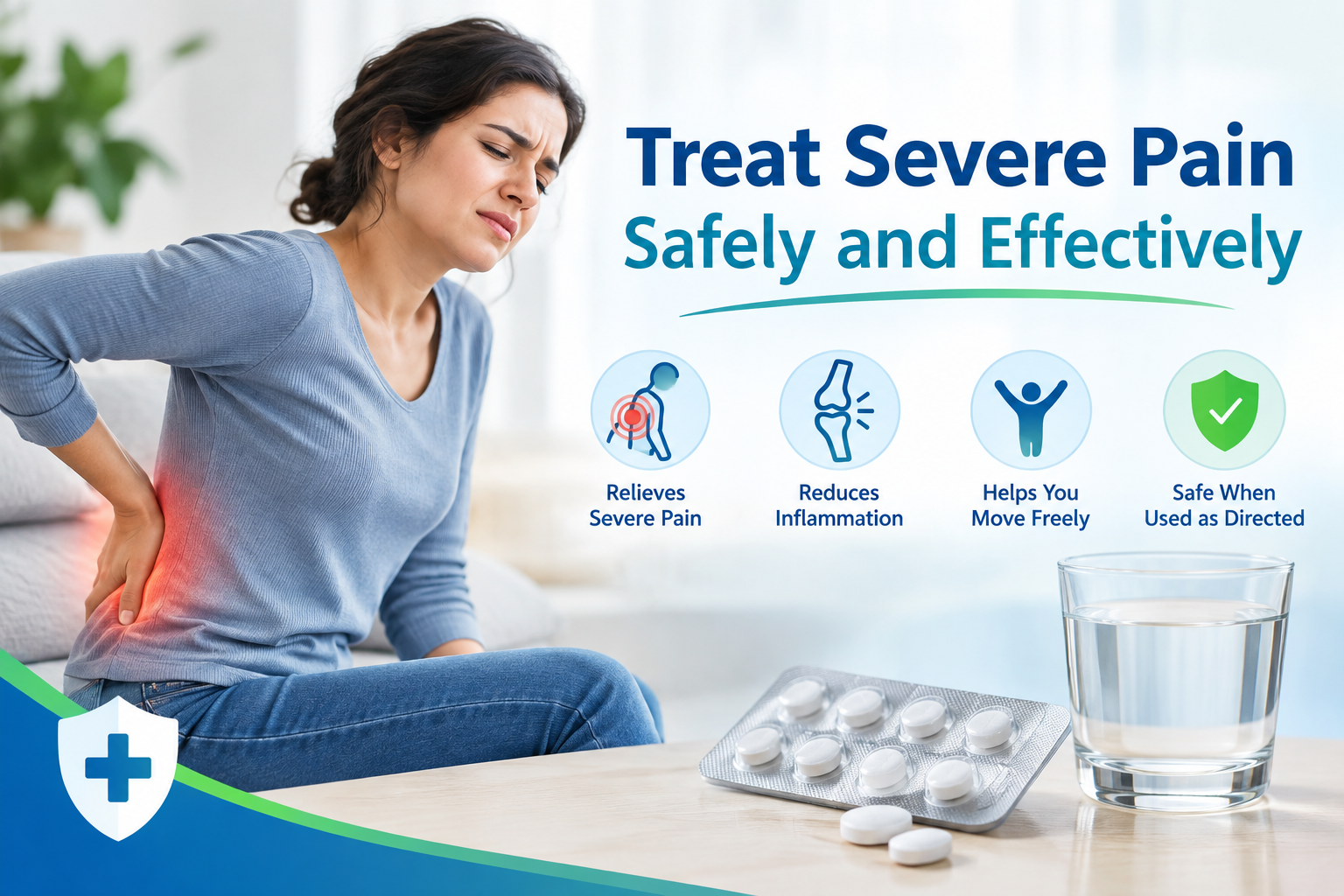
Severe pain can make even simple daily activities feel difficult. Walking, working, sleeping, exercising, or spending time with family can become uncomfortable when pain continues for a long time. Finding practical ways to manage pain can help improve daily comfort and make routine activities easier. The right approach depends on the cause, severity, duration, and location of the pain.
For people looking into prescription-based pain management, Tapentadol 100mg and Tapaday 200mg may be discussed with a qualified healthcare professional as part of an appropriate treatment plan. These products contain tapentadol, an opioid pain-relieving medicine that requires careful medical guidance. A healthcare professional can determine whether this type of treatment is appropriate based on an individual's symptoms, medical history, and other factors.
Understand the Cause of Severe Pain
Before choosing a treatment approach, it is important to understand why the pain occurs. Severe pain may develop after an injury, surgery, physical strain, or certain medical conditions. Some people experience sudden pain, while others deal with ongoing discomfort.
Pain can also affect different areas of the body. Back pain, joint discomfort, muscle pain, nerve-related pain, and pain following an injury can all require different approaches. Identifying the underlying cause helps a healthcare professional recommend suitable care.
Avoid assuming that every type of pain needs the same treatment. If pain suddenly becomes severe, continues to worsen, or interferes significantly with normal activities, seek professional medical advice.
Follow a Professional Treatment Plan
Severe pain may require more than simple lifestyle changes. A healthcare professional can assess the symptoms and recommend an appropriate treatment plan. Follow the prescribed dose and instructions carefully if prescription treatment is recommended.
Do not increase the dose because the pain feels stronger. Do not take a prescription pain treatment more often than directed. Following professional instructions can help reduce the risk of unwanted effects and support safer pain management.
People considering prescription pain treatment should also discuss their current health conditions and other medicines or substances they use with their healthcare professional.
Use Rest Without Becoming Completely Inactive
Rest can help the body recover, especially after an injury or physical strain. However, staying completely inactive for an extended period may make movement more difficult.
Try to balance rest with gentle activity when your healthcare professional considers movement appropriate. Short walks, light stretching, or simple daily movements may help maintain flexibility and prevent excessive stiffness.
Stop an activity if it significantly increases your pain. Gradually returning to normal movement can often be more comfortable than suddenly returning to demanding physical activity.
Pay Attention to Your Posture
Poor posture can contribute to discomfort, particularly when you spend many hours sitting at a desk or using a computer. Keep your back supported and position your screen at a comfortable height.
If you work from home or in an office, take short movement breaks throughout the day. Stand up, walk around, and change your sitting position regularly.
Good posture does not automatically eliminate severe pain, but it can support better daily movement and reduce unnecessary physical strain.
Apply Suitable Comfort Measures
Depending on the cause of pain, simple comfort measures may help. Some people find relief from appropriate hot or cold applications, while gentle movement may help with stiffness.
Use these methods carefully and follow professional advice when needed. Avoid applying extreme temperatures directly to the skin. If you have an injury or medical condition, ask a healthcare professional which approach is suitable.
These measures should support an overall pain-management plan rather than replace professional care when severe pain requires medical attention.
Improve Your Sleep Routine
Pain can make it difficult to sleep, while poor sleep can make daily discomfort feel harder to manage. Creating a consistent sleep routine may support better rest.
Try to maintain similar sleeping and waking times each day. Keep your bedroom comfortable and reduce unnecessary screen use before bedtime. Choose a sleeping position that does not place excessive pressure on the painful area.
If severe pain repeatedly wakes you during the night, speak with a healthcare professional instead of simply ignoring the problem.
Stay Hydrated and Eat Balanced Meals
Daily nutrition and hydration support general health while your body manages physical stress. Drink enough water throughout the day and include balanced meals with vegetables, fruits, whole grains, and suitable sources of protein.
Food does not directly treat every cause of severe pain, but maintaining healthy habits can support energy levels and overall well-being. Avoid relying on unhealthy eating patterns when pain limits your normal routine.
Manage Physical Activity Carefully
Exercise can support strength and mobility, but intense activity may worsen some types of pain. Choose activities that match your current ability and follow professional advice when recovering from an injury or medical procedure.
Start slowly and increase activity gradually. Pay attention to how your body responds during and after physical activity.
If a particular movement consistently causes significant pain, stop and discuss it with a healthcare professional.
Consider Pain Management in the UK and Australia
People in the UK and Australia should use local healthcare services when severe or persistent pain affects daily life. A healthcare professional can evaluate the symptoms and provide guidance based on the person's condition.
When prescription pain treatment is considered, patients should use it only according to professional instructions. They should also understand important precautions, possible side effects, and safe-use directions before starting treatment.
Buying health products online also requires care. Choose a pharmacy platform that provides clear product information and encourages responsible use. BuyRxSafe provides an online pharmacy platform where customers can review available healthcare products and related information.
Know When Severe Pain Needs Medical Attention
Do not ignore severe pain when it appears suddenly, becomes increasingly intense, or comes with other concerning symptoms. Pain after a serious injury may also require prompt medical assessment.
Seek professional medical attention if pain prevents you from performing normal activities or continues without improvement. A healthcare professional can investigate possible causes and determine the appropriate next step.
Avoid self-diagnosing persistent pain based only on online information. Online articles can provide general guidance, but they cannot replace an individual medical assessment.
Make Daily Comfort a Long-Term Goal
Managing severe pain often requires several practical steps rather than relying on one solution. Professional guidance, appropriate physical activity, adequate rest, good sleep, hydration, and healthy daily habits can all contribute to better comfort.
Keep track of when your pain occurs, what makes it better or worse, and how it affects your daily routine. This information can help you explain your symptoms clearly during a medical consultation.
If prescription treatment is recommended, follow the instructions exactly and ask questions whenever something is unclear. Responsible use can help make pain management safer and more organized.
Final Thoughts
Severe pain can interfere with work, sleep, movement, and everyday activities, but practical pain-management strategies can make daily life easier. Start by understanding the possible cause of the pain and seeking professional guidance when symptoms are severe or persistent.
Simple habits such as maintaining good posture, getting enough rest, staying active within your limits, improving sleep, and following professional treatment instructions can support daily comfort. For people in the UK and Australia, using appropriate local healthcare services can also help ensure that persistent or severe pain receives proper attention.
When considering prescription pain treatment, always follow a qualified healthcare professional's advice. Never change the prescribed amount or frequency without professional guidance.

 English
 Arabic
 French
 Spanish
 Portuguese
 Deutsch
 Turkish
 Dutch
Dutch
 Italiano
 Russian
 Portuguese (Brazil)
 Greek
Greek
