
HONGYANG Woven Packaging for Global Markets
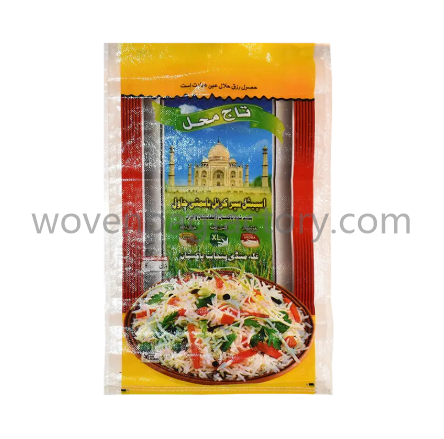
Packaging has a direct connection with the way products move through modern supply chains. Agricultural goods, construction materials, industrial products, and logistics shipments all require practical solutions for containment, storage, transportation, and identification. For businesses developing these solutions, choosing an experienced PP Woven Bag Factory can provide a useful foundation for connecting material selection with efficient manufacturing and application requirements.
Polypropylene is widely used in woven packaging because it can be processed into tapes and woven into a flexible fabric structure. The interlaced construction creates a material that combines useful mechanical support with adaptability. This allows woven bags to accommodate different products while remaining suitable for filling, handling, transportation, and storage. The material can also be processed into different finished formats depending on the needs of the customer.
Manufacturing woven bags involves several connected processes. Polypropylene material is first converted into tapes, which are woven into fabric. The fabric can then be printed, laminated, cut, and sewn according to the intended application. The relationship between these stages matters because changes in fabric characteristics can influence subsequent printing and conversion. Coordinated manufacturing helps create a more consistent finished package.
Agriculture represents a major application area for woven packaging. Grain, seeds, feed, fertilizer, and other products often travel through several stages before reaching their final users. Packaging needs to support movement between farms, processing facilities, warehouses, distributors, and customers. Woven polypropylene provides a practical structure, while printed surfaces can help identify products, communicate brand information, and support organized storage.
Construction materials create another important application field. Products may be loaded at manufacturing facilities, transported to distributors, and eventually delivered to busy construction sites. During this process, packages may be moved several times. Woven bags can provide practical containment while maintaining a flexible format for transportation and storage. Printed information can also help workers distinguish different products within crowded working environments.
Industrial applications can involve a wide variety of products and workflows. Raw materials, components, and finished goods may require different packaging approaches depending on how they are filled, stored, transported, and handled. Some applications may benefit from laminated surfaces, while others may focus on a straightforward woven structure. Considering the complete operating environment helps businesses select packaging features that have practical value.
Printing gives woven bags an additional commercial function. A package can carry product names, company information, visual branding, handling instructions, and other useful details. Consistent printing can make products easier to recognize during warehouse operations and distribution. It can also help businesses maintain a unified visual identity when products are sold through different markets and channels.
Lamination can further adapt the fabric to specific packaging applications. An additional surface layer may affect the appearance and characteristics of the finished bag. Whether lamination is suitable depends on the product, storage environment, transportation process, and desired package presentation. Manufacturers with broad application experience can help buyers consider these factors together rather than selecting individual features without context.
Sustainability is increasingly relevant to packaging development. Polypropylene woven products can be considered in relation to material efficiency, reuse, and recycling pathways. Recycled-content options may also be suitable for selected applications where the required performance can be maintained. Businesses making environmental claims should consider the complete lifecycle of packaging, including raw material sourcing, production, transportation, use, collection, and recycling.
Communication between buyers and manufacturers is essential during packaging development. Buyers can provide information about the product, filling process, storage conditions, transportation environment, target market, and desired appearance. This helps manufacturers understand the actual purpose of the package and discuss suitable material and conversion options. Clear communication about printing, lamination, cutting, sewing, and quality expectations can also reduce unnecessary revisions.
Consistency becomes especially important when packaging is ordered repeatedly. Businesses need materials and finished bags that can integrate with established filling, storage, and distribution processes. Stable manufacturing practices and responsive cooperation can support better planning as order volumes and market requirements develop. A dependable supplier relationship can therefore become an important part of broader packaging management.
The people using packaging every day also influence what makes a solution practical. Warehouse teams need recognizable packages, logistics workers need manageable products, and distributors need clear identification. Businesses, meanwhile, want packaging that represents their products in a professional way. When material structure, manufacturing processes, and visual communication are considered together, woven packaging can support a smoother commercial experience. Companies seeking a PP Woven Bag Factory can explore HONGYANG’s related packaging solutions through https://www.wovenbagfactory.com/product/kraft-paper-bag/.

 English
 Arabic
 French
 Spanish
 Portuguese
 Deutsch
 Turkish
 Dutch
Dutch
 Italiano
 Romaian
 Portuguese (Brazil)
 Greek
Greek
