
Q-Switched Laser vs Other Laser Treatments for Pigmentation
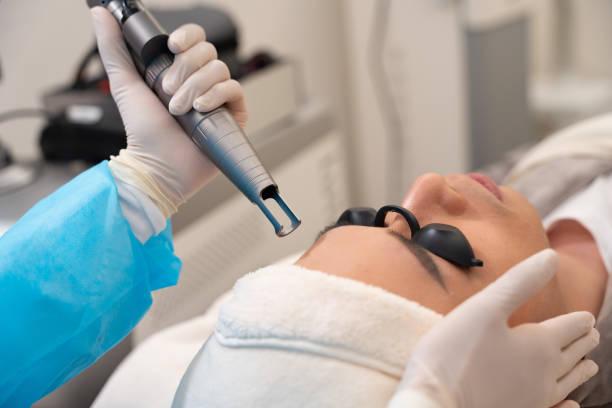
Pigmentation can appear as dark spots, freckles, melasma, sun damage, or uneven areas of skin tone, and different laser technologies are designed to address different concerns. Q-switched Laser Treatment in Riyadh uses short, concentrated pulses of energy to target selected pigment while limiting the effect on surrounding skin. Compared with other laser options, its suitability depends on the type, depth, location, and extent of pigmentation, as well as individual skin characteristics.
How Q-Switched Laser Targets Pigmentation
Q-switched lasers are designed to deliver very short pulses of laser energy. The energy can be absorbed by pigment within the skin, breaking it into smaller particles that the body can gradually process. This approach is commonly considered for concerns involving excess melanin and certain types of pigmented lesions.
The treatment does not work in exactly the same way for every pigmentation concern. Superficial dark spots may respond differently from deeper or hormonally influenced pigmentation. A professional assessment can help determine whether a Q-switched approach is appropriate for the specific condition.
Q-Switched Laser vs Fractional Laser
Fractional lasers work by creating microscopic treatment zones within the skin to encourage the body's natural healing response. They are often used for concerns such as acne scars, uneven texture, fine lines, and some forms of pigmentation.
In contrast, Q-switched technology is more specifically focused on pigment through short energy pulses. Fractional treatment may be considered when pigmentation occurs alongside textural irregularities or skin damage. The choice depends on the primary concern and the overall condition of the skin.
Q-Switched Laser vs CO2 Laser
CO2 laser treatments are generally more intensive resurfacing procedures. They can remove or vaporize controlled layers of skin and stimulate collagen remodeling, making them useful for selected concerns involving scars, wrinkles, texture, and skin resurfacing.
Q-switched laser treatment generally takes a different approach by targeting pigment without relying on the same degree of skin resurfacing. For someone whose main concern is localized pigmentation rather than significant texture or scarring, a pigment-focused laser may be considered.
Q-Switched Laser vs Nd:YAG Laser
Some Q-switched systems use Nd:YAG technology, particularly at wavelengths that can target pigment at different depths. Nd:YAG lasers can also be used for other dermatological and vascular concerns depending on their wavelength and settings.
Therefore, comparing “Q-switched” and “Nd:YAG” is not always an exact comparison because a Q-switched laser can itself use an Nd:YAG laser source. The important factors include the wavelength, pulse duration, energy settings, and the pigmentation being treated.
Which Laser Is Used for Different Pigmentation Concerns?
The most suitable laser depends on what is causing the pigmentation and where it is located. Dark spots caused by sun exposure may be approached differently from melasma, post-inflammatory hyperpigmentation, freckles, or pigmented lesions.
Sun Spots and Freckles
Certain superficial pigmented spots may respond to pigment-targeting laser technology. A practitioner may assess the color, size, depth, and appearance of each spot before selecting treatment.
Melasma
Melasma can be more complicated because it may involve multiple skin layers and can be influenced by hormones, sunlight, and other factors. Laser treatment may be considered in selected cases, but excessive energy or inappropriate treatment can sometimes worsen pigmentation. Careful evaluation and conservative settings are important.
Post-Inflammatory Hyperpigmentation
Dark marks that develop after acne, irritation, or inflammation require consideration of the original trigger as well as the remaining pigmentation. Treatment may involve skincare, sun protection, or procedures depending on the individual situation.
Why Skin Type Matters When Choosing a Laser
Skin type and pigmentation characteristics can influence how the skin responds to laser energy. Individuals with darker skin tones may have a greater risk of temporary or persistent changes in pigmentation following some laser procedures.
For this reason, treatment parameters should be selected carefully. A qualified professional can assess skin tone, pigment depth, previous reactions, and current skin condition before recommending a suitable approach.
What Happens During a Pigmentation Laser Consultation?
A consultation typically begins with an assessment of the pigmentation and surrounding skin. The practitioner may ask about sun exposure, previous treatments, skincare products, medications, and how long the pigmentation has been present.
The goal is to identify the likely type of pigmentation and determine whether laser treatment is appropriate. In some cases, another treatment or a combination approach may be considered instead of a single laser technology.
Choosing the Right Treatment for Pigmentation
There is no single laser that is appropriate for every pigmentation concern. Q-Switched Laser Treatment in Riyadh may be considered when the main objective is targeting unwanted pigment with short laser pulses, while fractional or resurfacing lasers may be more relevant when pigmentation occurs alongside textural concerns.
The treatment decision should be based on the individual skin condition rather than simply choosing the strongest or newest laser. Professional assessment, appropriate settings, realistic expectations, and consistent aftercare all contribute to a safer treatment plan.
Aftercare and Protecting Results
After laser treatment, the skin may temporarily appear red, sensitive, or darker in the treated areas. Following the recommended aftercare routine can help support recovery.
Sun protection is particularly important when treating pigmentation because ultraviolet exposure can contribute to further pigment formation. A practitioner may also recommend gentle skincare and temporarily avoiding irritating products or procedures.
Book a Consultation at Royal Clinic Saudia
If you are considering laser treatment for pigmentation, a professional evaluation can help determine which technology is appropriate for your skin and specific concern. Q-Switched Laser Treatment in Riyadh can be discussed with the specialists at Royal Clinic Saudia to develop an individualized treatment approach based on your pigmentation and skin characteristics.
FAQs:
Is Q-switched laser better than other lasers for pigmentation?
There is no single laser that is suitable for every pigmentation concern. Q-switched technology may be appropriate for selected pigment-related conditions, while other lasers may be more suitable for resurfacing, texture, or combined concerns.
Can Q-switched laser treat melasma?
It may be considered for some cases, but melasma can be difficult to manage and may recur. A professional assessment is important before selecting laser treatment.
Is Q-switched laser suitable for darker skin tones?
It may be used in selected individuals, but treatment settings and laser choice require careful consideration because some skin types have a higher risk of post-treatment pigmentation changes.
How do I know which laser is right for my pigmentation?
A qualified practitioner can assess the type and depth of pigmentation, skin tone, previous treatments, and other factors before recommending an appropriate treatment option.

 English
 Arabic
 French
 Spanish
 Portuguese
 Deutsch
 Turkish
 Dutch
Dutch
 Italiano
 Russian
 Romaian
 Portuguese (Brazil)
