
Body Contouring vs Weight Loss: Understanding the Difference
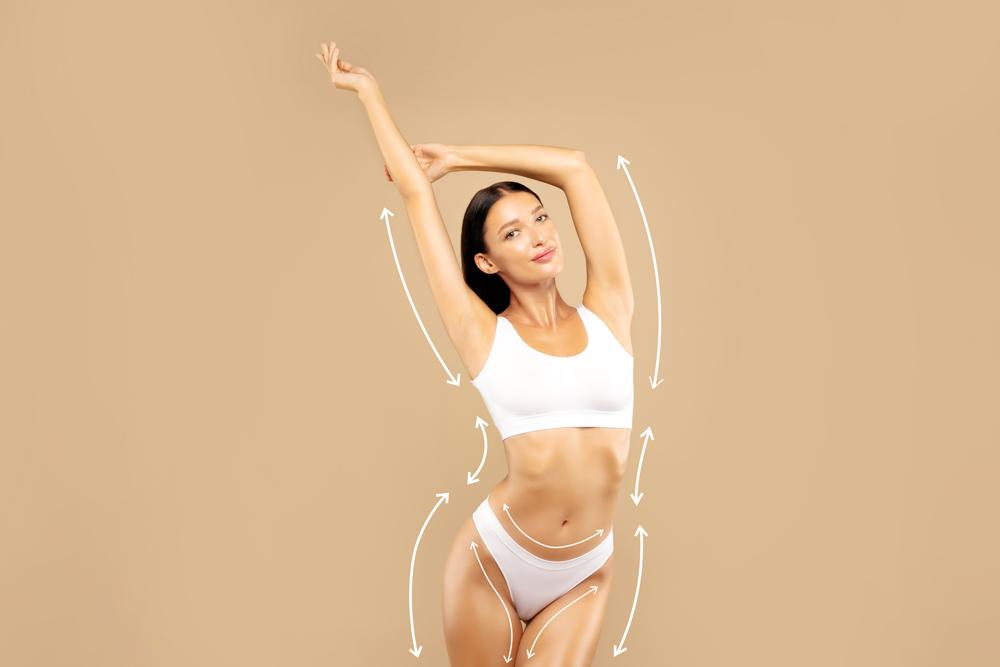
Many people interested in improving their appearance often use the terms body contouring and weight loss interchangeably. While both can contribute to a slimmer and more attractive physique, they are fundamentally different processes with distinct goals, methods, and outcomes.
Weight loss focuses on reducing overall body weight and improving health, while body contouring is designed to enhance body shape by targeting stubborn fat deposits, loose skin, and contour irregularities. Understanding the difference between these two approaches is essential for setting realistic expectations and choosing the most appropriate treatment path.
Whether you are considering body contouring in Islamabad after significant weight loss or simply exploring cosmetic procedures to refine your figure, this guide explains how body contouring and weight loss differ and how they can work together to achieve your desired results.
What Is Weight Loss?
Weight loss refers to the reduction of total body weight through the loss of:
- Body fat
- Water weight
- Muscle mass (in some cases)
The primary goal of weight loss is to improve overall health, reduce excess body fat, and lower the risk of various health concerns associated with obesity.
How Weight Loss Occurs
Weight loss typically happens when the body burns more calories than it consumes.
Common methods include:
- Healthy eating habits
- Regular physical activity
- Medical weight management programs
- Lifestyle modifications
- Weight-loss medications
- Bariatric surgery in selected cases
Successful weight loss requires long-term commitment and consistency.
Benefits of Weight Loss
Weight loss can provide numerous health and lifestyle benefits.
These may include:
- Improved cardiovascular health
- Better mobility
- Increased energy levels
- Improved physical fitness
- Better blood sugar management
- Enhanced overall well-being
In addition to health benefits, many individuals experience improvements in self-confidence and body image after achieving their weight-loss goals.
What Is Body Contouring?
Body contouring refers to cosmetic procedures that improve body shape and proportions by addressing areas of stubborn fat, loose skin, or tissue laxity.
Unlike weight loss, body contouring focuses on reshaping specific areas of the body rather than reducing overall body weight.
Body contouring treatments may include:
- Liposuction
- Tummy tuck surgery
- Arm lifts
- Thigh lifts
- Body lift procedures
- Non-surgical fat reduction treatments
- Skin-tightening procedures
The objective is to create a more sculpted and balanced appearance.
The Primary Difference Between Body Contouring and Weight Loss
The most important distinction is their purpose.
Weight Loss Goal
Weight loss aims to:
- Reduce total body weight
- Improve health
- Decrease body fat percentage
Body Contouring Goal
Body contouring aims to:
- Improve body shape
- Enhance proportions
- Remove excess skin
- Address stubborn fat deposits
- Refine body definition
Body contouring is about sculpting the body rather than significantly reducing weight.
Why Weight Loss Does Not Always Create the Desired Shape
Many individuals assume that reaching their target weight will automatically result in their ideal body shape.
However, this is not always the case.
Stubborn Fat Deposits
Certain fat pockets often remain despite consistent dieting and exercise.
Common areas include:
- Abdomen
- Hips
- Waist
- Thighs
- Arms
- Back
These areas may be influenced by genetics and hormone distribution.
Loose Skin After Weight Loss
After significant weight reduction, excess skin may remain.
Factors influencing skin laxity include:
- Age
- Genetics
- Skin elasticity
- Amount of weight lost
- Duration of obesity
Exercise can improve muscle tone, but it cannot remove large amounts of excess skin.
This is where body contouring may become beneficial.
How Body Contouring Complements Weight Loss
Body contouring is often considered the final step in a body transformation journey.
Refining Weight-Loss Results
After reaching a stable weight, body contouring can:
- Improve body definition
- Enhance contours
- Address loose skin
- Create smoother proportions
Highlighting Fitness Achievements
Many patients feel that body contouring allows their physical appearance to better reflect the effort they have invested in their health and fitness goals.
Can Body Contouring Help You Lose Weight?
This is one of the most common misconceptions.
Body Contouring Is Not a Weight-Loss Solution
Most body contouring procedures are not designed to produce significant weight reduction.
For example:
- Liposuction removes localized fat deposits
- Tummy tuck surgery removes excess skin and improves abdominal contours
- Non-surgical treatments target specific areas of fat
While some weight change may occur, the primary focus remains body reshaping.
Ideal Candidates Are Often Near Their Goal Weight
Most surgeons recommend body contouring for individuals who:
- Have reached or are close to their target weight
- Maintain a stable weight
- Follow healthy lifestyle habits
- Have realistic expectations
Comparing Body Contouring and Weight Loss
| Feature | Weight Loss | Body Contouring |
|---|---|---|
| Primary Goal | Reduce body weight | Improve body shape |
| Focus | Overall body fat reduction | Specific treatment areas |
| Health Benefits | Significant | Secondary benefit |
| Fat Reduction | Throughout the body | Localized areas |
| Loose Skin Removal | No | Yes (surgical procedures) |
| Body Sculpting | Limited | Primary objective |
| Suitable for Obesity | Yes | Generally no |
| Improves Proportions | Limited | Yes |
Who Should Focus on Weight Loss First?
Individuals with substantial excess weight are generally encouraged to focus on weight management before considering body contouring.
Weight loss may be appropriate if:
- Body mass index is significantly elevated
- Weight continues to fluctuate
- Health concerns related to obesity exist
- Lifestyle habits require improvement
Achieving a stable weight often creates a better foundation for body contouring procedures later.
Who May Benefit From Body Contouring?
Body contouring may be suitable for individuals who:
- Have reached a stable weight
- Experience stubborn fat deposits
- Have loose skin after weight loss
- Desire improved body definition
- Are in good overall health
These patients are often looking for refinement rather than additional weight reduction.
The Importance of Weight Stability
One of the most important factors in successful body contouring is maintaining a stable weight.
Why Stability Matters
Stable weight helps:
- Preserve treatment results
- Improve surgical planning
- Enhance long-term satisfaction
Significant weight fluctuations after treatment can affect body contours and alter results.
Combining Healthy Living With Body Contouring
The most successful body transformations typically involve both healthy lifestyle habits and body contouring when appropriate.
Healthy habits include:
- Balanced nutrition
- Regular exercise
- Adequate hydration
- Consistent sleep
- Long-term weight management
Body contouring can then enhance these efforts by addressing concerns that lifestyle changes alone may not fully correct.
Setting Realistic Expectations
Understanding the limitations of each approach is essential.
Weight Loss Can:
- Improve health
- Reduce body fat
- Increase fitness
- Enhance overall wellness
Body Contouring Can:
- Improve shape
- Remove excess skin
- Target stubborn fat
- Refine body proportions
Neither approach guarantees perfection, but both can contribute significantly to personal transformation when used appropriately.
Conclusion
Although body contouring and weight loss are often discussed together, they serve very different purposes. Weight loss focuses on reducing overall body weight and improving health, while body contouring is designed to refine body shape, remove excess skin, and address localized fat deposits.
For many individuals, the most effective approach involves achieving a healthy, stable weight first and then considering body contouring to enhance and define the results. Understanding these differences helps patients make informed decisions and develop realistic expectations about their body transformation journey.
A consultation with a qualified cosmetic surgeon can help determine whether body contouring is appropriate for your goals and identify the most effective treatment options based on your individual needs.
FAQs
Is body contouring the same as weight loss?
No. Weight loss reduces overall body weight, while body contouring focuses on improving body shape and proportions.
Can body contouring help me lose a significant amount of weight?
Body contouring is not designed for major weight loss. It primarily targets localized fat deposits and excess skin.
Should I lose weight before body contouring?
In most cases, patients achieve the best results when they are close to their target weight and have maintained a stable weight.
Can body contouring remove loose skin after weight loss?
Yes. Surgical body contouring procedures can remove excess skin and improve body contours after significant weight reduction.
Which is more important: weight loss or body contouring?
Weight loss is generally the foundation for improving overall health, while body contouring serves as a complementary procedure to refine and enhance physical appearance.

 English
 Arabic
 French
 Spanish
 Portuguese
 Deutsch
 Dutch
Dutch
 Italiano
 Russian
 Romaian
 Portuguese (Brazil)
 Greek
Greek
