
Chlamydia Test for Routine Sexual Health
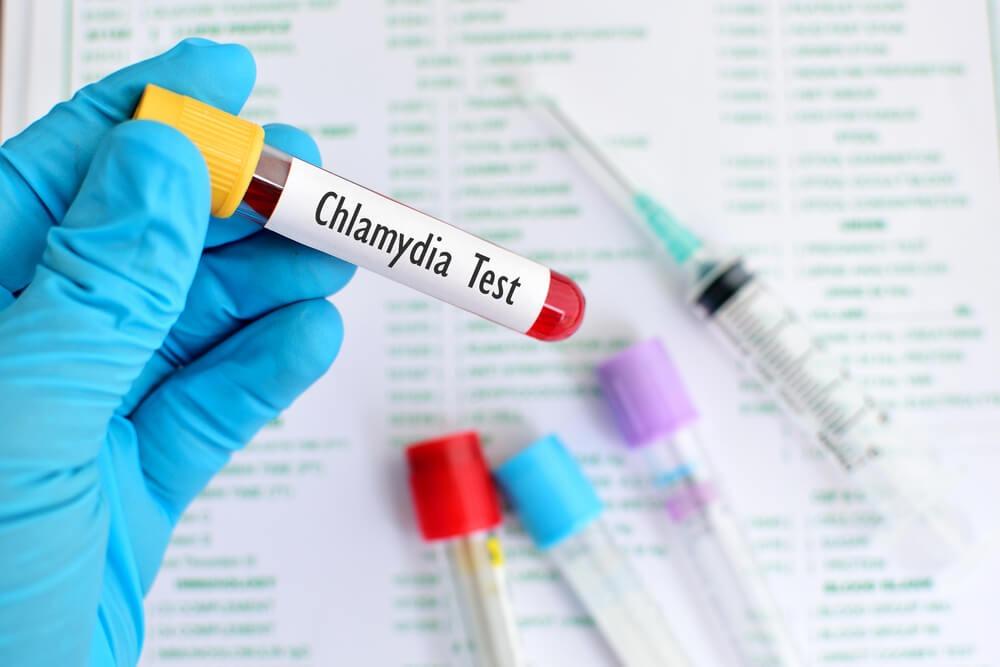
Taking care of sexual health involves more than responding to symptoms. A Chlamydia Test in Dubai can help identify an infection caused by Chlamydia trachomatis, even when a person does not notice any symptoms. Understanding the role of routine sexual health screening can help people recognize when testing may be appropriate and when professional medical advice is needed.
What Is Routine Sexual Health Testing?
Routine sexual health testing refers to screening performed based on a person's individual circumstances, possible exposure, symptoms, or healthcare needs. It can include testing for different sexually transmitted infections, including chlamydia.
Routine testing does not necessarily mean that everyone needs the same tests at the same frequency. A healthcare professional can consider factors such as sexual history, symptoms, new or multiple partners, and known exposure when recommending screening.
Why Include Chlamydia Testing?
Chlamydia can sometimes develop without obvious symptoms. A person may therefore have an infection without realizing it.
Testing can help identify an infection that might otherwise remain unnoticed. If the result is positive, appropriate medical care can be arranged, while partner management can help reduce the possibility of further transmission or reinfection.
Can Healthy People Have Chlamydia?
Yes. Feeling healthy does not always mean that an STI is absent.
Some people with chlamydia experience no noticeable symptoms. Others may experience symptoms such as unusual discharge, discomfort during urination, pelvic discomfort, or testicular pain.
Because these symptoms can also have other causes, testing is more reliable than trying to diagnose chlamydia based only on how you feel.
Who Should Consider Routine Screening?
The need for screening varies from person to person. Testing may be appropriate for someone who has had a possible exposure, develops symptoms, has a partner diagnosed with chlamydia, or has other circumstances that increase the possibility of infection.
People who are unsure whether they should be tested can discuss their situation with a qualified healthcare professional.
What Happens During a Chlamydia Test?
The testing process depends on the sample required. A healthcare professional may recommend a urine sample or a swab.
The sample is then examined using an appropriate laboratory test. Before collection, the healthcare professional may ask questions about symptoms and possible exposure.
These details can help determine whether additional testing sites or other STI tests should be considered.
Why Your Sexual History Can Affect Testing
Sexual exposure can involve different parts of the body, and chlamydia can affect different sites. This means the testing approach may depend on the type of sexual contact involved.
Sharing accurate information with your healthcare professional can help them determine which sample or samples may be appropriate.
You do not need to feel embarrassed about providing this information. It is part of making sure healthcare decisions are based on relevant facts.
When Is the Right Time to Test?
Testing immediately after a possible exposure may not always detect an infection because there can be a period before an infection becomes detectable.
The appropriate timing depends on factors such as when the exposure occurred and the testing method being used. A healthcare professional can provide guidance based on your individual circumstances.
If you have symptoms, seek medical advice rather than waiting for symptoms to disappear.
Understanding Your Results
A negative result generally means that chlamydia was not detected in the sample that was tested. A positive result generally means that evidence of the infection was detected.
Results should be interpreted in context. If testing occurred soon after an exposure or if only one potential exposure site was tested, further medical advice may sometimes be appropriate.
If your result is unclear or you have ongoing concerns, ask the testing provider what follow-up is recommended.
What Happens After a Positive Result?
A positive result should be discussed with a qualified healthcare professional. Appropriate treatment can help manage the infection and reduce the risk of complications.
Recent sexual partners may also need evaluation, testing, or treatment depending on the circumstances.
Follow the treatment and sexual health advice provided by your healthcare professional rather than attempting to manage the infection independently.
Routine Testing Does Not Replace Prevention
Testing is useful, but it is only one part of sexual health protection. Preventive practices and open communication with sexual partners can also help reduce STI transmission.
If you have a new sexual partner or concerns about a previous exposure, discussing testing and prevention with a healthcare professional can help you understand your options.
Can You Get Chlamydia Again?
Yes. Previous infection does not provide permanent immunity against chlamydia.
Someone who has been treated can become infected again following a new exposure. This is why appropriate partner management and prevention remain important after treatment.
If you believe you have been exposed again, speak with a healthcare professional about whether repeat testing is appropriate.
Chlamydia Testing and Overall Sexual Health
A chlamydia test can be considered alongside broader sexual health screening when appropriate. Depending on your circumstances, a healthcare professional may recommend tests for other sexually transmitted infections as well.
This is important because a chlamydia test does not automatically detect every STI. The right screening approach depends on the individual's symptoms, exposure history, and healthcare needs.
Choosing Professional Testing
When arranging a Chlamydia Test in Dubai, choose a healthcare setting where you can discuss your concerns confidentially with qualified professionals.
Before testing, you can ask about the sample required, preparation instructions, expected result time, and what happens if the result is positive.
Having this information can make the testing process clearer and help you understand what to expect.
Final Thoughts
A chlamydia test can be an important part of routine sexual health because the infection may occur without noticeable symptoms. Testing can provide useful information and help people access appropriate medical care when an infection is detected.
If you have had a possible exposure, developed symptoms, or simply have questions about STI screening, speak with a qualified healthcare professional about whether a Chlamydia Test in Dubai is appropriate for you.

 English
 Arabic
 French
 Spanish
 Portuguese
 Deutsch
 Turkish
 Italiano
 Russian
 Romaian
 Portuguese (Brazil)
 Greek
Greek
