
Selecting Pouch Fabric for Different Nicotine Pouch Production Needs
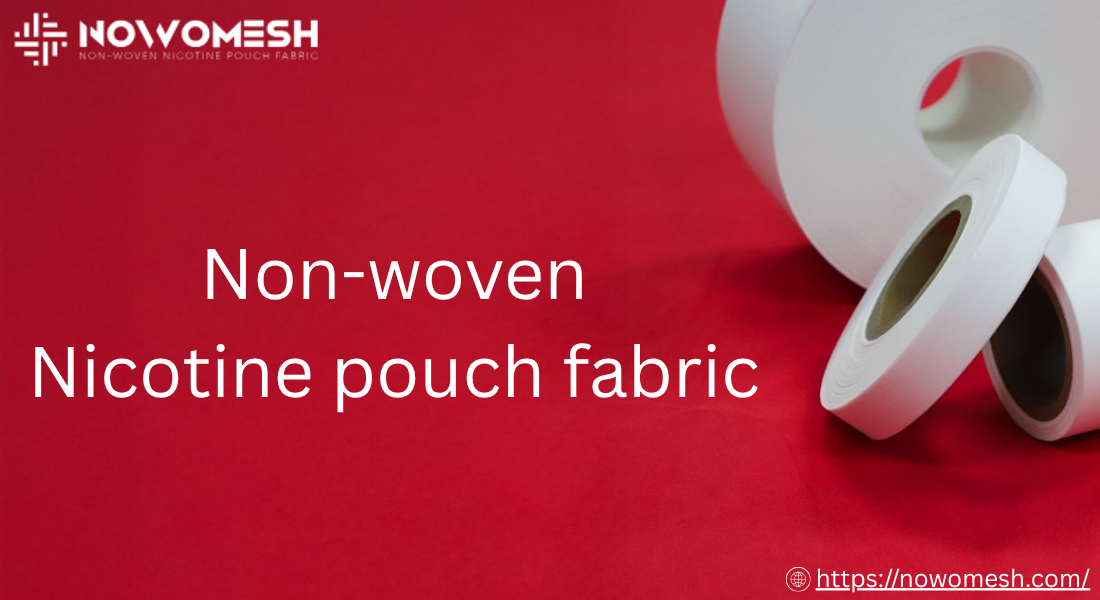
Manufacturing nicotine pouches requires careful attention to the materials used during production. The fabric surrounding the pouch contents needs to work properly with the production process while providing a suitable structure and feel. For this reason, Pouch Fabric Solutions can be an important consideration when preparing for different manufacturing requirements.
Different pouch products may require different material characteristics. Thickness, strength, softness, porosity, flexibility, and processing performance can all affect how a fabric works during production. Understanding these factors can help manufacturers identify a material that fits their particular application.
Understanding Pouch Fabric Requirements
Not every manufacturing process has the same material requirements. Production equipment, pouch design, product size, and filling methods can influence the type of fabric needed.
Suitable Pouch Fabric Solutions should have characteristics that match the intended production process. For example, some applications may require a thinner material for a particular pouch structure, while others may need additional strength for handling and processing.
Looking at the complete production process rather than focusing on one characteristic can make material selection more practical.
Consider the Fabric Structure
The structure of a fabric can influence how it performs during pouch manufacturing. A consistent nonwoven structure can provide predictable material behavior when the fabric is processed, cut, formed, or sealed.
Manufacturers can review factors such as fiber arrangement, uniformity, and overall construction when comparing different materials. Consistency is particularly useful when large quantities of material need to move through production equipment.
When comparing Pouch Fabric Solutions, manufacturers can consider whether the fabric structure matches the requirements of their production process.
Check Thickness and Weight
Thickness and material weight are other details worth reviewing before making a selection. A fabric that is too thick or too thin may not be suitable for a specific pouch design or manufacturing setup.
The preferred thickness can depend on product specifications and equipment being used. Consistent thickness across the material can also help support more predictable processing.
For this reason, manufacturers should compare material specifications with their production requirements before selecting from available Pouch Fabric Solutions.
Review Strength and Handling Performance
Fabric strength can matter throughout the manufacturing process. The material may need to withstand handling, movement through equipment, cutting, forming, and other production steps without unnecessary damage.
At the same time, the fabric should remain flexible enough for the intended pouch design. A balance between strength and flexibility can make the material easier to process and handle.
Important Material Characteristics
| Material Factor | Why It Matters |
|---|---|
| Thickness | Can affect pouch structure and processing |
| Strength | Supports handling during manufacturing |
| Flexibility | Helps the material work with different pouch designs |
| Uniformity | Promotes more consistent material performance |
Think About Porosity and Material Performance
Porosity can also be an important consideration for pouch materials. The way a fabric allows air or other substances to pass through its structure can influence how it performs in a particular application.
Manufacturers should consider the intended pouch design and product requirements when reviewing this characteristic. Instead of assuming that one level of porosity is suitable for every application, it is useful to compare material specifications with the needs of the finished pouch.
This can help manufacturers narrow down Pouch Fabric Solutions that are appropriate for their specific production requirements.
Match the Fabric With Production Equipment
A material can have suitable individual characteristics but still need to be evaluated for compatibility with production equipment. Machinery may have specific requirements related to fabric handling, cutting, forming, or sealing.
Before selecting a material, manufacturers can review how it behaves during the relevant production stages. Testing a material with the actual equipment can also provide useful information about its handling and processing characteristics.
This approach can help identify potential issues before moving into larger-scale production and make the evaluation of Pouch Fabric Solutions more practical.
Consider Different Pouch Designs
Nicotine pouches can vary in size, shape, construction, and intended specifications. Because of these differences, one material may not necessarily be appropriate for every pouch format.
Manufacturers can consider the dimensions and construction of their product when reviewing fabric options. The selected material should complement the pouch design while also fitting the manufacturing process.
This makes it easier to connect material selection with the practical requirements of the finished product.
Focus on Consistency for Larger Production Runs
Consistency becomes especially important when manufacturing at higher volumes. Variations in thickness, structure, or other material characteristics can create challenges when the fabric is repeatedly processed through production equipment.
A consistent material can help manufacturers maintain more predictable processing conditions. Quality checks and clear material specifications can also help ensure that the selected fabric remains suitable across different production batches.
Reliable Pouch Fabric Solutions can therefore be evaluated not only by their individual material properties but also by how consistently those properties are maintained during production.
Compare Material Specifications Before Choosing
Manufacturers can compare several fabric characteristics before making a final selection. Instead of choosing based on a single feature, it can be helpful to review the complete material specification.
Consider factors such as:
-
Fabric structure and uniformity
-
Thickness and weight
-
Strength and flexibility
-
Porosity
-
Processing compatibility
-
Pouch design requirements
-
Production volume
-
Handling characteristics
Comparing these details can make the selection process more organized and help manufacturers identify Pouch Fabric Solutions that fit their specific production needs.
Frequently Asked Questions
What are Pouch Fabric Solutions?
The term refers to fabric options developed or selected for use in pouch manufacturing. Their characteristics can vary according to production requirements, pouch design, and processing methods.
Why is fabric thickness important?
Thickness can affect the structure, feel, and processing behavior of the finished pouch. Manufacturers should select a thickness that matches their product and equipment requirements.
Does pouch design affect fabric selection?
Yes. Pouch size, shape, construction, and production method can all influence which material characteristics are appropriate.
Why does fabric consistency matter?
Consistent material characteristics can support predictable processing, especially during larger production runs where the fabric passes through equipment repeatedly.
Should manufacturers test fabric before large-scale production?
Testing can help manufacturers understand how a selected material performs with their specific equipment and production process before committing to larger quantities.
Final Thoughts
Selecting the right material requires more than looking at one specification. Pouch Fabric Solutions should be evaluated based on structure, thickness, strength, flexibility, porosity, equipment compatibility, and the requirements of the finished pouch.
By comparing these characteristics carefully, manufacturers can make a more informed material selection for different production applications. Nowomesh offers nonwoven fabric options that manufacturers can review when considering materials for pouch production.


 English
 Arabic
 French
 Spanish
 Portuguese
 Deutsch
 Turkish
 Dutch
Dutch
 Italiano
 Russian
 Portuguese (Brazil)
 Greek
Greek
