
How to Recognize a Garage Door Spring Broken Before It Gets Worse
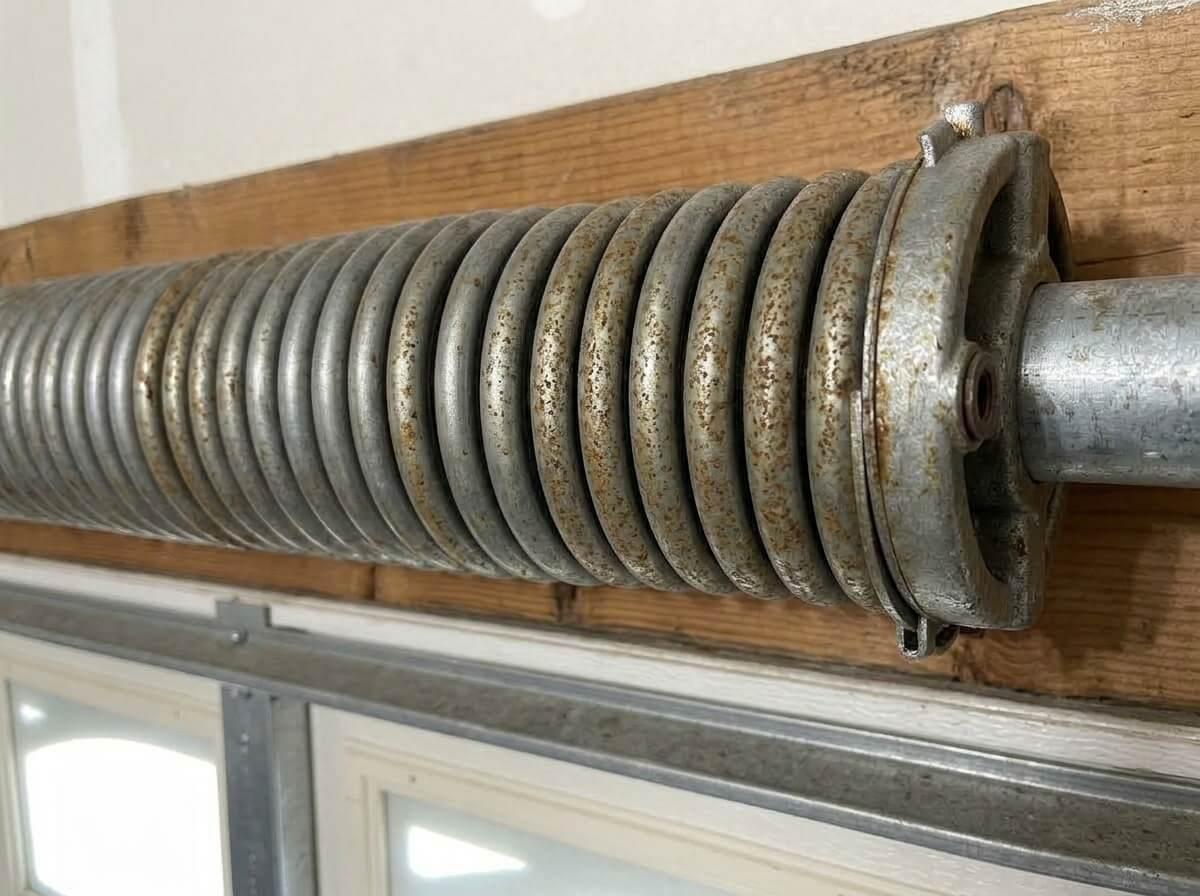
By the time most homeowners realize something is wrong with their garage door spring, it's often already too late — the spring has snapped, and the door is stuck. But in many cases, a spring doesn't fail entirely without warning. There are usually subtle signs in the weeks or months beforehand that something is starting to go wrong.
Learning to spot these early indicators can help homeowners in Pearland and across the greater Houston area schedule a repair on their own timeline, rather than dealing with a garage door spring broken suddenly and unexpectedly, often at the most inconvenient moment.
Why Catching This Early Matters
A garage door spring that fails gradually gives you options. You can schedule a repair when it's convenient, avoid the risk of a door getting stuck with a vehicle trapped inside or outside, and prevent the kind of sudden strain that can also damage the opener motor. Waiting until a spring breaks completely removes that flexibility and often turns a manageable repair into an urgent one.
Early Warning Signs of a Failing Spring
1. The Door Feels Slightly Heavier Than Usual
This is often the earliest and most subtle sign. If you manually lift the door (with the opener disconnected) and notice it feels heavier than it used to, or doesn't stay in place as easily when raised halfway, the spring may be losing tension gradually rather than all at once.
2. The Opener Seems to Be Working Harder
Listen closely to your opener motor during normal operation. If it sounds like it's straining, running longer than usual, or struggling to fully lift the door, this can indicate the spring isn't providing as much counterbalance as it should. Openers are designed to work alongside functioning springs, not to compensate for a weakening one.
3. Visible Gaps or Stretching in the Coil
A close visual inspection of a torsion spring (mounted on the metal shaft above the door) can reveal early signs of wear. Look for:
-
Small gaps beginning to form between coils
-
Visible rust spreading across the spring's surface
-
Any part of the spring that looks stretched or misshapen compared to the rest
For extension springs mounted along the tracks, check for similar signs of rust, stretching, or visible wear near the coil ends.
4. The Door Doesn't Stay Level
If you notice one side of the door appears slightly lower than the other, even by a small amount, this can indicate uneven wear between two springs in a dual-spring system, or a single spring beginning to weaken.
5. Increased Noise During Operation
While many garage door noises point to rollers or hinges, a spring nearing failure can sometimes produce a faint creaking or straining sound during operation, distinct from the sharper squeaks associated with dry rollers.
6. The Door Reverses or Stalls Partway
If your garage door starts reversing unexpectedly or stalling before fully opening, and you've already ruled out sensor obstructions, a weakening spring is a reasonable next explanation. The opener may be misinterpreting the added resistance as an obstruction.
A Quick Reference: Early Signs vs. Full Failure
|
Stage |
What You Might Notice |
|
Early warning signs |
Door feels slightly heavier, opener sounds strained, minor visible wear |
|
Progressing issue |
Door hangs unevenly, increased noise, occasional stalling |
|
Full failure |
Loud bang, door won't move, visible gap in coil, extremely heavy manual lift |
Catching the problem at the early or progressing stage gives you significantly more control over timing and cost compared to waiting for full failure.
How to Safely Check Your Spring's Condition
If you want to do a basic visual check yourself, a few simple steps can help:
-
Close the door fully and disconnect the opener using the manual release cord
-
Visually inspect the torsion spring above the door for gaps, rust, or stretching (without touching or attempting to adjust it)
-
Lift the door manually about halfway and observe whether it stays in place or drifts up or down
-
Reconnect the opener once you've finished the visual check
This inspection is meant purely for observation. Never attempt to adjust, tighten, or remove a spring yourself, given the tension these components hold even when they appear intact.
What Causes Springs to Wear Down Gradually
Understanding why springs weaken over time can help explain why early detection matters:
Cycle Fatigue
Every open-and-close cycle puts a small amount of stress on the spring's coils. Over thousands of cycles, this gradually reduces the metal's elasticity, even before an outright break occurs.
Humidity and Rust
In the Houston area, including Pearland, consistent humidity accelerates rust formation on metal spring coils. Rust doesn't just look bad — it weakens the metal's structural integrity over time, making gradual wear more likely to progress toward failure.
Heat Exposure
Extended periods of high heat can subtly affect a spring's elasticity, contributing to a slower decline in performance compared to springs in more temperate climates.
Inconsistent Lubrication
Springs that aren't lubricated regularly experience more friction between coils during each cycle, which can accelerate wear beyond what's typical for a well-maintained system.
What to Do If You Notice Early Signs
If you've identified one or more of these early warning signs, here's a sensible approach:
-
Stop disconnecting and reconnecting the door yourself for testing purposes beyond a basic visual check
-
Avoid ignoring the signs, since gradual wear tends to progress rather than resolve on its own
-
Schedule a professional inspection to get an accurate assessment of the spring's remaining lifespan
-
Ask about replacing both springs if your door uses a dual-spring system, since uneven wear often means the second spring isn't far behind
-
Use this as an opportunity for broader maintenance, since a technician visiting for the spring can also check rollers, tracks, and the opener while they're there
Addressing a garage door broken spring situation before it becomes a complete failure is almost always less disruptive and, in many cases, more cost-effective than waiting for the door to fail entirely.
Why Professional Assessment Matters
Even with the visual checks outlined above, a professional technician can offer a more precise read on a spring's condition using experience and tools that go beyond a basic homeowner inspection. They can measure the spring's tension, compare it against the door's actual weight, and determine how much useful life likely remains. This kind of assessment is particularly valuable if you're trying to decide whether replacement now, versus waiting a bit longer, makes sense for your specific situation.
For homeowners across Pearland and the greater Houston area, reliable garage door spring repair from an experienced technician can address early-stage wear before it turns into an unexpected breakdown, often on a schedule that works around your availability rather than an emergency timeline.
Preventing Early Wear in the First Place
A few consistent habits can slow down the rate at which springs wear out:
-
Lubricate the spring every three to four months with a silicone-based garage door lubricant
-
Keep the door properly balanced, since an unbalanced door places uneven strain on the spring system
-
Address rust promptly if it appears on the spring or nearby hardware
-
Avoid excessive unnecessary cycling of the door beyond normal daily use
-
Schedule annual inspections, especially once a door passes the five-year mark
Frequently Asked Questions
How long does it usually take for a spring to go from early warning signs to full failure? This varies significantly depending on usage frequency, climate exposure, and the spring's overall condition. Some springs show gradual signs over several months, while others can progress more quickly, which is part of why early professional assessment is valuable.
Can I keep using my garage door if I notice early signs of wear? It's generally safe for continued short-term use, but it's not something to ignore indefinitely. Scheduling an inspection sooner rather than later reduces the risk of the spring failing unexpectedly.
Is it worth replacing a spring before it actually breaks? In many cases, yes, particularly if a professional assessment confirms significant wear. Proactive replacement avoids the inconvenience and minor safety risk of a sudden failure.
Do both springs need to be replaced if only one shows signs of wear? Many technicians recommend replacing both in a dual-spring system, since they typically experience similar wear patterns and the second is often not far behind, even if it hasn't shown visible signs yet.
Can regular lubrication alone prevent a spring from eventually needing replacement? Lubrication helps extend a spring's functional lifespan and reduces unnecessary friction, but it can't prevent normal metal fatigue over time. Even well-maintained springs eventually need replacement.
Final Thoughts
A garage door spring rarely fails without some kind of warning, even if those signs are easy to overlook in the middle of a busy routine. Paying attention to subtle changes — a slightly heavier door, a straining opener, or early visible wear — gives you the chance to address the issue before it turns into a sudden, inconvenient breakdown. For homeowners in Pearland and the surrounding Houston area, a bit of attentiveness combined with a timely professional inspection is usually all it takes to stay ahead of the problem, rather than reacting to it after the fact.

 Arabic
 French
 Spanish
 Portuguese
 Deutsch
 Turkish
 Dutch
Dutch
 Italiano
 Russian
 Romaian
 Portuguese (Brazil)
 Greek
Greek
