
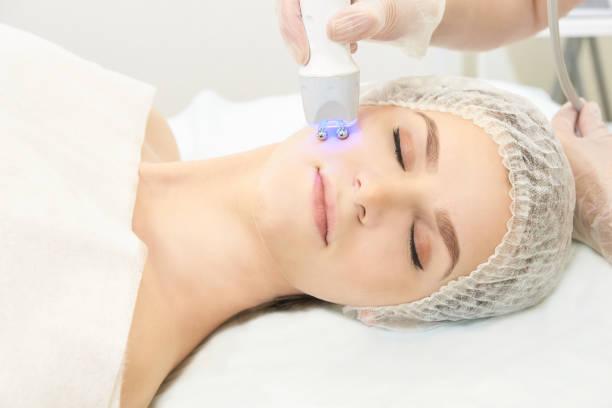
Most patients focus on the treatment itself—the consultation, the device, the settings—and give little thought to the days that follow. Laser Clinic in Riyadh(عيادة ليزر في الرياض) Yet recovery is where results are protected, complications are prevented, and long-term outcomes are determined. Recovery varies enormously depending on the procedure: some laser treatments leave you back at work within hours, while others require a week or more of healing. Understanding Laser Clinic in Riyadh procedures properly means understanding what recovery actually involves, so you can plan realistically and avoid the mistakes that undermine results.
Why Recovery Matters So Much
Healing Determines Results
How your skin heals directly influences pigmentation, texture, and overall outcome. Proper recovery supports the treatment's effects; poor recovery can undo them.
Complication Risk Peaks Early
Most complications—infection, blistering, pigmentation changes—emerge in the first days after treatment. Attentive care during this window prevents most problems.
Expectations Shape Experience
Patients who understand what recovery involves cope far better than those expecting to resume normal activities immediately.
Consistency Protects Investment
Laser treatments require multiple sessions. Patients who recover well attend subsequent sessions on schedule, which improves cumulative results.
Why This Matters
Anyone researching Laser Clinic in Riyadh services should plan recovery as carefully as they plan treatment.
How Recovery Differs by Treatment Type
Laser Hair Removal
Downtime: None to minimal.
What to expect: Mild redness, follicular swelling around hair follicles, and slight sensitivity for a few hours to a day.
Recovery requirements: Avoid heat, friction, and tight clothing on treated areas for 24 to 48 hours.
Pigmentation Treatment
Downtime: Minimal.
What to expect: Treated spots may darken before flaking off over five to ten days.
Recovery requirements: Strict sun protection is essential. Avoid picking at flaking skin.
Vascular Treatments
Downtime: Minimal to a few days.
What to expect: Bruising and redness around treated vessels, resolving within a week.
Recovery requirements: Avoid blood-thinning medications where possible and protect treated areas from trauma.
Non-Ablative Resurfacing
Downtime: One to three days.
What to expect: Redness, warmth, and mild swelling resembling sunburn.
Recovery requirements: Gentle skincare, moisturising, and strict sun avoidance.
Fractional Resurfacing
Downtime: Three to seven days.
What to expect: Redness, swelling, and a bronzed or speckled appearance as microscopic treatment zones heal.
Recovery requirements: Specific aftercare protocol including soothing ointments and strict sun protection.
Ablative Resurfacing
Downtime: Seven to fourteen days.
What to expect: Significant redness, oozing, and crusting during the first week, followed by peeling and pinkness.
Recovery requirements: Intensive aftercare, frequent moisturising, and complete sun avoidance.
Tattoo Removal
Downtime: Several days to a week.
What to expect: Blistering, crusting, and redness in the treated area.
Recovery requirements: Wound care to prevent infection and scarring.
Why This Matters
A Laser Clinic in Riyadh should provide recovery guidance specific to your treatment, not generic advice.
The First 24 to 48 Hours
Cooling and Soothing
Cool compresses, soothing gel, or aloe vera may be applied as directed. Follow your practitioner's specific instructions.
Avoid Heat
Saunas, hot baths, hot yoga, and strenuous exercise should be avoided. Heat increases inflammation and discomfort.
Gentle Cleansing
Use a mild, fragrance-free cleanser and lukewarm water. Avoid scrubbing or exfoliating treated areas.
Moisturise Regularly
A gentle, non-comedogenic moisturiser supports barrier recovery. Apply as directed, sometimes more frequently than usual.
Avoid Makeup on Treated Areas
If possible, allow treated skin to breathe for at least 24 hours, or follow your practitioner's guidance.
Do Not Pick or Scratch
Any flaking, crusting, or peeling should shed naturally. Picking increases scarring and pigmentation risk.
Why This Matters
The first two days largely determine how smoothly healing progresses.
The First Week
Expected Changes
Redness gradually subsides, swelling reduces, and any flaking or crusting begins to resolve. Some treatments cause temporary darkening before improvement appears.
Skincare Adjustments
Continue gentle cleansing and frequent moisturising. Avoid all active ingredients unless specifically approved.
Sun Protection
Treated skin remains highly photosensitive. Broad-spectrum sunscreen and physical protection are essential.
Activity Restrictions
Strenuous exercise, swimming, and activities causing heavy sweating should typically be avoided for several days.
Signs to Monitor
Increasing redness, unusual swelling, blistering, or discharge require prompt professional assessment.
Why This Matters
The first week is when most complications become apparent—and when early intervention is most effective.
Weeks Two to Four
Visible Improvement Begins
Redness settles, and early results become visible. Pigmentation may begin to fade, and texture may start improving.
Resuming Normal Skincare
Your practitioner will advise when to reintroduce retinoids, acids, and other actives. This typically ranges from one to two weeks after treatment.
Ongoing Sun Protection
Photosensitivity persists for weeks. Continue daily sunscreen and protective clothing.
Returning to Exercise
Most patients can resume normal activity within a week, though intensive treatments may require longer.
Patience With Results
Full results develop over months as collagen remodels. Judging too early leads to unnecessary disappointment.
Why This Matters
Understanding the timeline prevents premature conclusions about whether treatment worked.
Beyond the First Month
Collagen Remodelling Continues
Improvement continues for three to six months after treatment as new collagen matures.
Maintenance Planning
Some concerns, particularly melasma and hormonal hair growth, require periodic maintenance sessions.
Assessing Results
Compare photographs in consistent lighting to evaluate change objectively.
Planning Subsequent Sessions
Most treatments require multiple sessions. Spacing is determined by your practitioner based on healing progress.
Why This Matters
Long-term planning protects your investment and sustains results.
Essential Aftercare Practices
Strict Sun Protection
This is the single most important aftercare measure. Ultraviolet exposure darkens treated areas, worsens pigmentation, and can undo weeks of healing.
Gentle Cleansing
Use a mild, fragrance-free cleanser. Avoid scrubbing, exfoliating, and hot water.
Frequent Moisturising
Barrier support accelerates healing and reduces complications. Apply as directed, often more frequently than usual.
Avoid Harsh Ingredients
Retinoids, glycolic acid, salicylic acid, vitamin C, and benzoyl peroxide should be paused until cleared.
No Picking or Scratching
This cannot be overstated. Manipulating treated skin increases scarring and pigmentation risk.
Hydration and Nutrition
Adequate water, protein, vitamin C, and zinc support tissue repair.
Sleep and Stress Management
Rest supports healing. Chronic stress slows recovery and increases inflammation.
Why This Matters
Aftercare is not optional—it is part of the treatment.
Warning Signs That Require Professional Attention
Persistent or Worsening Redness
Redness that intensifies rather than subsides warrants assessment.
Blistering Beyond Expectations
Some blistering is normal for certain treatments, but excessive blistering requires attention.
Signs of Infection
Increasing redness, warmth, foul discharge, or fever require prompt medical evaluation.
Unusual Pigmentation Changes
Darkening or lightening of treated areas should be reported so adjustments can be made.
Severe or Worsening Pain
Pain that increases rather than improves may indicate a complication.
Why This Matters
Early intervention resolves most complications quickly. Delay allows them to become serious.
Common Recovery Mistakes
Skipping Sun Protection
This is the most common and most damaging mistake. It can undo weeks of healing.
Picking at Flaking Skin
Manipulating treated areas increases scarring and pigmentation risk.
Resuming Actives Too Soon
Retinoids and acids applied before healing is complete cause irritation and complications.
Returning to Intense Exercise Immediately
Heat, sweat, and friction can worsen inflammation and delay healing.
Missing Follow-Up Appointments
These allow assessment and early identification of concerns.
Not Reporting Problems
Practitioners can only help if they know something is wrong. Silence prolongs complications.
Why This Matters
Avoiding these mistakes protects your results and your skin.
Final Thoughts: Recovery Is Part of Treatment
Laser treatment does not end when you leave the clinic. Recovery determines whether results meet expectations, whether complications develop, and whether your skin heals smoothly. Understanding Laser Clinic in Riyadh procedures as a complete process that includes recovery allows you to plan realistically and protect your investment. Follow aftercare instructions precisely, protect treated skin from sun, and report any concerns promptly—your results will reflect that discipline.
For those seeking expert guidance and customized aesthetic care, you can book an appointment consultation at the 'Enfield Royal Riyadh(إنفيلد رويال الرياض).
FAQs
How long does recovery take after laser treatment?
It varies by procedure—from a few hours for hair removal to two weeks for ablative resurfacing.
What should I avoid after laser treatment?
Avoid sun exposure, heat, harsh skincare ingredients, picking, and intense exercise.
When can I resume normal skincare?
Your practitioner will advise, typically one to two weeks after treatment depending on the procedure.
Is redness normal after laser treatment?
Yes, mild redness is expected and typically resolves within days, though it may persist longer after intensive treatments.
When should I seek professional help during recovery?
If you experience worsening redness, blistering, unusual swelling, discharge, or fever.

 English
 French
 Spanish
 Portuguese
 Deutsch
 Turkish
 Dutch
Dutch
 Italiano
 Russian
 Romaian
 Portuguese (Brazil)
 Greek
Greek
