
How to Prepare for an HIV Test
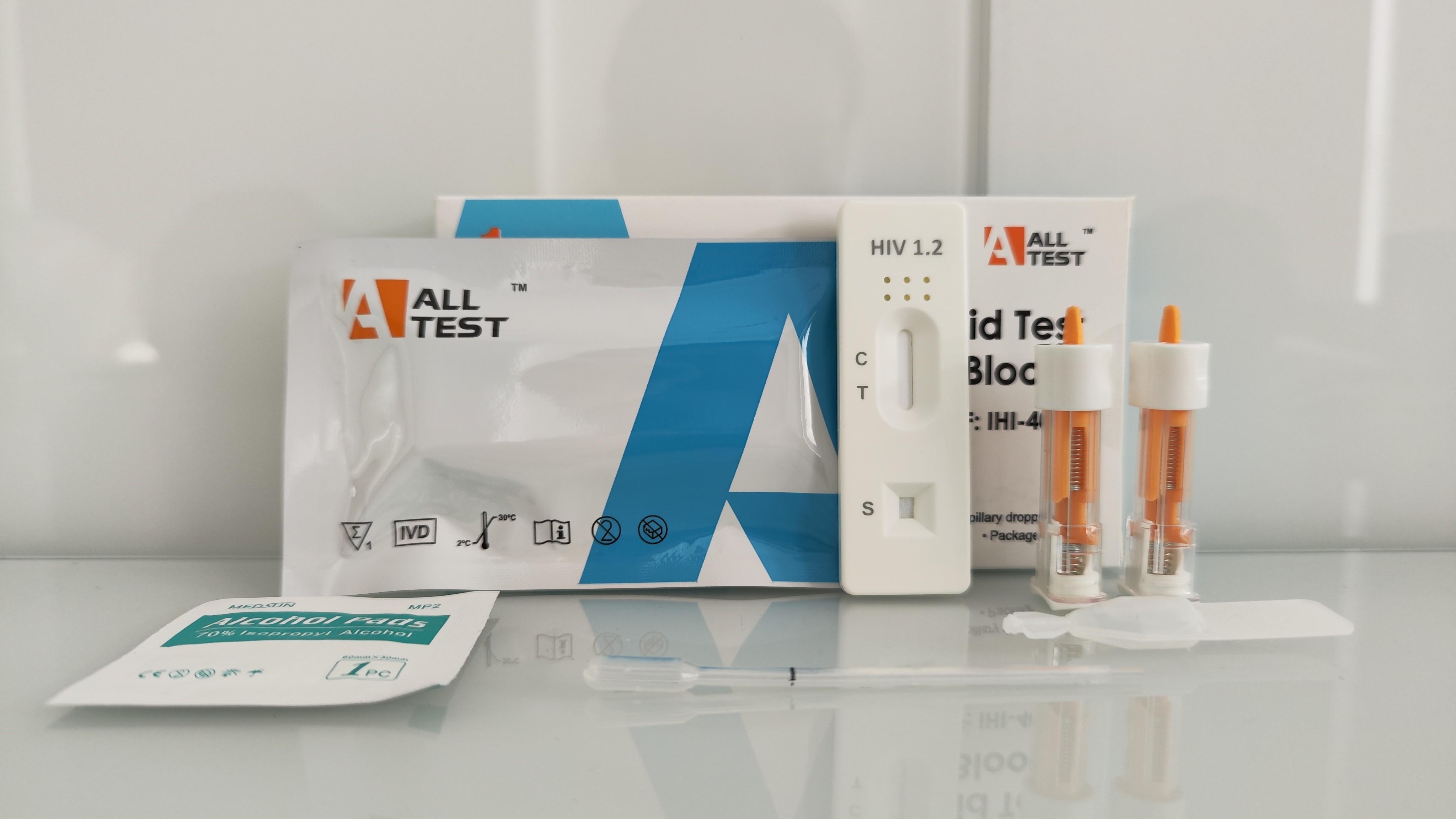
Getting tested for HIV can be an important part of taking care of your sexual health, especially after a possible exposure, a new sexual partner, or when recommended by a healthcare professional. Knowing how to prepare can make the appointment easier and help you understand what the test can and cannot tell you. A HIV Test in Dubai may involve a blood sample or another type of specimen depending on the testing method selected by the healthcare provider.
Preparation is generally straightforward. However, understanding the timing of testing, providing accurate medical information, and following the instructions given by the testing facility can help ensure that the process goes smoothly.
Why Preparation Matters Before an HIV Test
An HIV test is designed to look for evidence of HIV infection. Different tests detect different markers, such as antibodies or HIV antigen. Because these markers may not appear immediately after infection, the timing of testing is an important consideration.
Preparing for an HIV Test in Dubai does not usually require complicated dietary restrictions or special preparation. Instead, preparation mainly involves understanding why you are being tested, discussing possible exposure with a healthcare professional, and knowing whether follow-up testing may be necessary.
If you recently experienced a possible exposure, tell the healthcare provider when it occurred. This information can help them determine which testing approach may be appropriate and whether testing should be repeated later.
Understand Why You Are Getting Tested
Before your appointment, think about the reason you want an HIV test. Some people seek testing because they have had a possible exposure, while others include HIV screening as part of routine sexual healthcare.
You may also be advised to test because a sexual partner has been diagnosed with HIV or because another sexually transmitted infection has been identified.
Understanding your reason for testing can help you communicate clearly with the healthcare provider. You do not need to feel embarrassed or uncomfortable discussing sexual health. Medical professionals routinely handle these conversations and can explain available testing options.
Consider the Timing of Your Test
One of the most important things to understand before an HIV test is that testing immediately after exposure may not always detect a recent infection.
The period between infection and the point when a test can reliably detect HIV is often referred to as the window period. The length of this period varies depending on the type of test being used.
For this reason, tell the provider approximately when the possible exposure happened. They can explain whether testing at that time is appropriate and whether another test may be recommended later.
A negative result obtained too early after exposure may not completely exclude a recent infection. Following professional guidance about repeat testing is therefore important.
Do You Need to Fast Before an HIV Test?
In many cases, fasting is not required for HIV testing alone. If the appointment involves only an HIV test, you can generally follow your normal eating and drinking routine unless the healthcare provider gives you different instructions.
However, some appointments may include additional blood tests that have separate preparation requirements. If several tests are being performed at the same time, ask the clinic whether fasting or any other preparation is necessary.
Following the specific instructions provided by the healthcare facility is always preferable to assuming that preparation requirements are the same for every test.
Bring Relevant Health Information
Before an HIV Test in Dubai, be prepared to provide basic health information if requested. This may include information about medications, previous HIV tests, recent symptoms, previous diagnoses, or possible exposure.
You should also mention whether you have recently taken medication that may be relevant to HIV prevention or treatment. Providing accurate information allows the healthcare professional to interpret the situation more appropriately.
You do not need to remember every medical detail perfectly. Simply provide the information you know and ask questions if you are unsure.
What Happens During the Appointment?
The testing process depends on the test selected. Some HIV tests use a blood sample, while certain tests may use other types of specimens.
The healthcare provider may first ask questions about your health and the reason for testing. They can then explain the testing method and collect the required sample.
The actual sample collection is usually brief. A blood test may involve a small blood draw, while other testing methods may involve a different collection process.
After the sample is collected, it is processed according to the testing method used. The provider or laboratory will explain how and when you can receive your result.
Confidentiality Is an Important Part of HIV Testing
Many people worry about privacy when seeking HIV testing. Before your appointment, you can ask the clinic how patient information and test results are handled.
A professional healthcare provider should explain its confidentiality procedures and the way results are communicated to patients.
If privacy is important to you, ask about the clinic's process before providing a sample. Understanding the procedure can make the experience more comfortable and reduce unnecessary concerns.
Enfiled STD Clinic and HIV Testing
Choosing an appropriate healthcare provider can make the testing process easier. At Enfiled STD Clinic, patients seeking an HIV Test in Dubai can discuss their concerns with healthcare professionals and learn more about available testing options.
A professional consultation can be particularly useful when testing follows a recent possible exposure. Instead of relying only on symptoms or online information, a healthcare provider can consider the timing of the exposure and the appropriate testing approach.
Patients can also ask questions about test accuracy, window periods, repeat testing, and what different results may mean.
What If You Have Symptoms?
HIV can sometimes cause symptoms resembling other common illnesses, while some people may have no noticeable symptoms. Because symptoms alone cannot confirm or exclude HIV infection, testing is important when there has been a relevant exposure or a healthcare professional recommends screening.
Symptoms such as fever, fatigue, sore throat, swollen lymph nodes, or rash can occur for many different reasons. They should not automatically be interpreted as signs of HIV.
If you are experiencing symptoms after a possible exposure, tell the healthcare provider about both the symptoms and the approximate date of exposure. This gives them useful information when considering your testing needs.
Should You Stop Taking Medication Before Testing?
Do not stop prescribed medication simply because you are planning to have an HIV test. If you are taking medication that may be relevant to HIV prevention or treatment, inform the healthcare provider.
Certain medications and prevention strategies can affect how healthcare professionals approach testing and follow-up. The provider can explain what information is relevant to your particular situation.
If you are unsure whether a medication matters, bring the medication name or packaging to the appointment if possible.
What Happens After the Test?
After your sample is collected, you may need to wait for the result depending on the testing method and laboratory process.
A negative result can be reassuring, but its interpretation may depend on when the test was taken in relation to a possible exposure. If testing occurred during an early window period, the healthcare provider may recommend another test.
A reactive or positive screening result does not necessarily mean that a final diagnosis has been established. Additional testing is generally used to confirm an HIV diagnosis according to the applicable testing process.
For this reason, it is important to discuss your result with a qualified healthcare professional rather than trying to interpret it without context.
How to Make Your HIV Testing Appointment Easier
Preparing a few questions before your appointment can help you get the information you need. You may want to ask what type of HIV test is being used, whether your testing timing is appropriate, when results will be available, and whether follow-up testing could be required.
You can also ask whether other sexually transmitted infection tests may be appropriate based on your circumstances.
Being open with your healthcare provider helps them give more relevant guidance. The purpose of the consultation is not to judge your choices but to provide appropriate healthcare information.
Why Professional Testing Is Better Than Guessing From Symptoms
It is easy to search online for HIV symptoms and try to decide whether testing is necessary. However, symptoms are not a reliable way to diagnose HIV.
Some people with HIV may experience symptoms, while others may have no noticeable symptoms. Similar symptoms can also occur with many unrelated conditions.
A professional HIV Test in Dubai provides objective laboratory or clinical information that can be used alongside your exposure history and medical circumstances.
Testing can therefore provide more useful information than trying to determine your HIV status based only on how you feel.
Final Thoughts
Preparing for an HIV test is usually simple. You generally do not need complicated preparation, but you should understand the reason for testing, consider the timing of any possible exposure, provide relevant health information, and follow the instructions given by your healthcare provider.
If you are considering an HIV Test in Dubai, professional testing can help you understand which testing method may be appropriate and whether follow-up testing could be necessary. Remember that symptoms alone cannot confirm or rule out HIV, and a test taken too early may require later follow-up.
Speaking openly with a qualified healthcare professional can help you understand the testing process and your results with greater clarity.

 English
 Arabic
 French
 Spanish
 Portuguese
 Turkish
 Dutch
Dutch
 Italiano
 Russian
 Romaian
 Portuguese (Brazil)
 Greek
Greek
