
Smart Pet Care Technology for Modern Homes
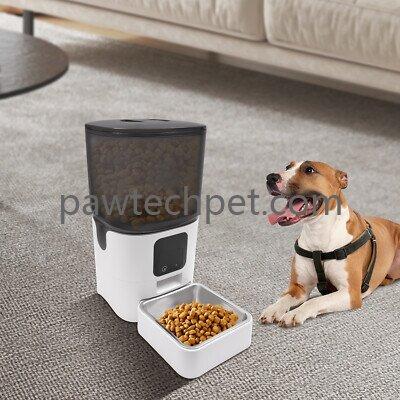
Modern pet ownership increasingly involves technology that helps simplify repetitive household tasks, and Pet Smart Appliances are becoming part of this transition. These products combine practical pet-care functions with electronic controls, sensors, mechanical components, and user-oriented interfaces. From feeding and hydration to grooming and hygiene, smart equipment can help owners organize routine activities while giving manufacturers opportunities to develop more integrated and convenient pet-care solutions.
The development of intelligent pet products begins with understanding the specific task the appliance needs to perform. A feeding device may require controlled dispensing and stable food storage, while a water appliance needs appropriate fluid management and accessible cleaning areas. Grooming equipment can require coordinated motor operation, comfortable handling, and suitable contact surfaces. Each application creates different engineering requirements, so product architecture should be planned around actual usage conditions.
Material selection is an important part of product development. Exterior housings commonly need a balance of structural stability, surface quality, manufacturability, and manageable weight. Components that come into contact with food or water should be designed around hygiene and maintenance requirements. Internal mechanical elements may require materials with suitable strength and wear characteristics, particularly when they are exposed to repeated movement during daily operation.
Electronic integration provides much of the functionality associated with modern pet products. Sensors can monitor operating conditions, while control boards coordinate motors, switches, indicators, and other components. Depending on the product design, connectivity can also support scheduled operation or user notifications. However, technology should remain connected to a clear practical purpose. An intuitive interface and dependable basic operation are often more important than adding unnecessary features.
Mechanical design works alongside electronics to create reliable product behavior. Motors, gears, pumps, rotating assemblies, dispensing structures, and other mechanisms need to fit within the available enclosure while maintaining appropriate movement and alignment. Engineers must also consider how these components behave over repeated operating cycles. Consistent interfaces and suitable structural support can help reduce unnecessary friction, vibration, and mechanical interference.
Hygiene is another central consideration for pet-care appliances. Products may encounter fur, food particles, saliva, water, litter, and other materials during normal use. Surfaces should therefore be designed to support practical cleaning, while removable components can make maintenance easier. Areas containing sensitive electronics should be appropriately separated from locations exposed to moisture or other contaminants.
Manufacturing consistency is essential when several systems are combined in one product. Molded housings, covers, brackets, gears, shafts, connectors, and other components need stable dimensions for repeatable assembly. Quality control can include material verification, dimensional inspection, component checks, assembly inspection, and functional testing. These measures help manufacturers identify production variations before products reach the packaging stage.
Safety should also be considered throughout product engineering. Smart pet devices may include electrical power, moving parts, motors, heating elements, batteries, or charging systems depending on their application. Designers need to consider insulation, cable routing, enclosure protection, structural stability, and foreseeable interaction with animals. Separating electrical assemblies from wet areas is particularly relevant for products designed to handle water.
Ease of use can influence whether a technically advanced appliance becomes a practical household product. Controls should be understandable, maintenance procedures should be straightforward, and removable components should be easy to handle without compromising structural stability. Clear status indicators and simple operating sequences can also help users understand what the product is doing during normal operation.
For B2B product development, customization is often an important part of manufacturing. Brands may require different exterior structures, colors, interfaces, packaging configurations, or combinations of functions. These changes should be evaluated alongside tooling, materials, assembly processes, and testing requirements. Early communication between product designers and manufacturing engineers can help reduce unnecessary revisions and support a smoother transition from prototype to production.
Production testing becomes especially valuable when a product includes several interconnected systems. A visual inspection cannot confirm whether a sensor responds correctly, a motor operates smoothly, or a dispensing mechanism completes its intended cycle. Functional testing can therefore be developed around the core actions of each product, with inspection procedures covering both individual components and the finished appliance.
For international brands, supplier selection should consider engineering experience as well as manufacturing capacity. Material management, tooling development, assembly control, testing procedures, customization support, and communication can all influence product consistency. A structured manufacturing workflow can help brands develop pet-care products that remain practical while incorporating useful automation.
As connected living continues to influence household products, Pet Smart Appliances can provide manufacturers with opportunities to combine intelligent functions with practical pet-care design. Successful products depend on more than electronics alone; they require coordinated materials, mechanical systems, safety considerations, manufacturing controls, and convenient maintenance. Brands exploring pet-care product categories can find additional information at https://www.pawtechpet.com/product/pet-clothing/.

 English
 Arabic
 French
 Spanish
 Portuguese
 Deutsch
 Turkish
 Dutch
Dutch
 Italiano
 Russian
 Romaian
 Portuguese (Brazil)
