
Discover how a hair regrowth serum may support healthier-looking hair
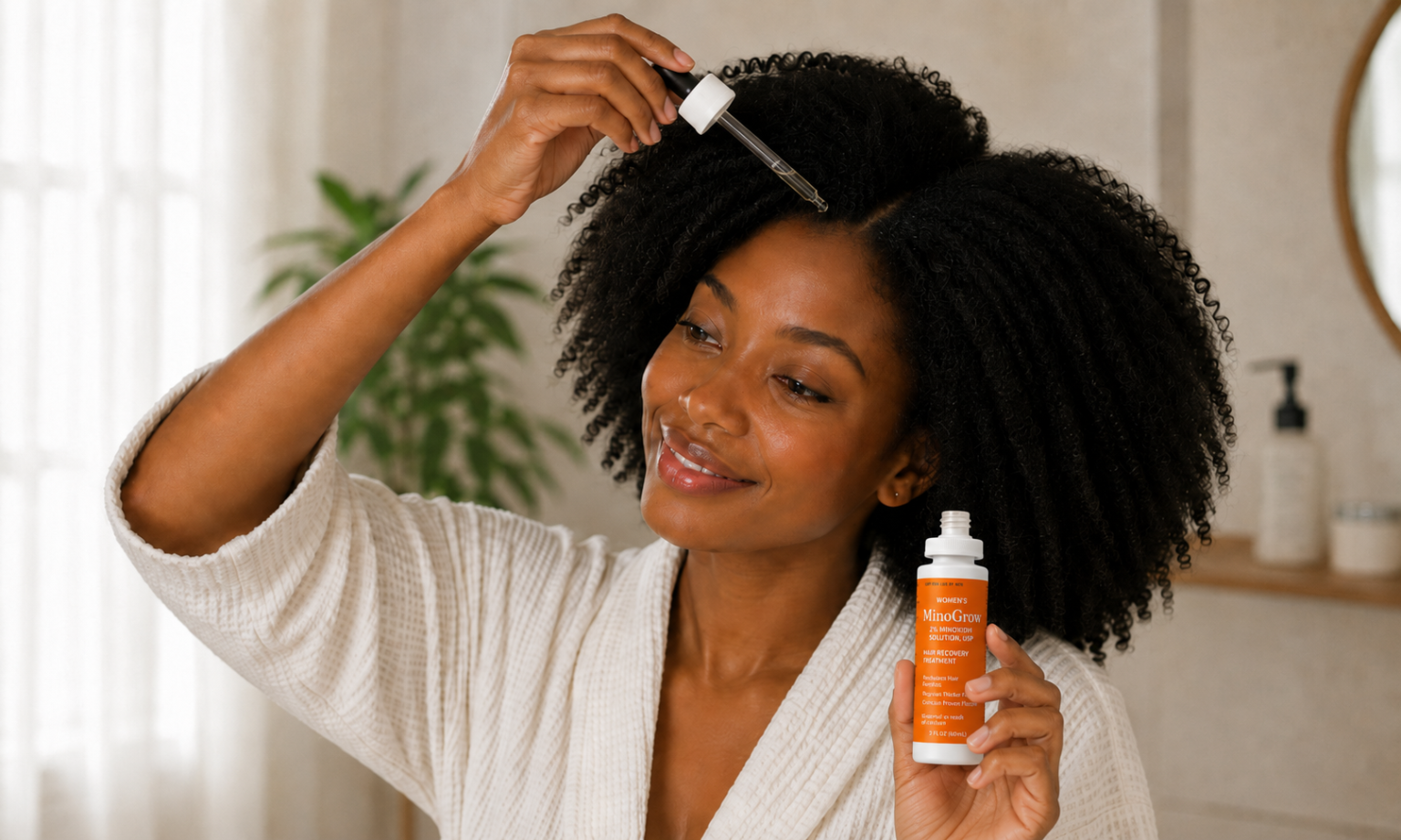
Hair thinning can be frustrating, especially when changes in hair density become noticeable over time. While occasional shedding is a normal part of the hair growth cycle, persistent thinning may encourage people to explore targeted hair care products. A hair regrowth serum is one option that has gained attention because it is designed to deliver concentrated ingredients directly to the scalp.
However, choosing a serum should involve more than looking for a product that promises thicker hair. Understanding how these products fit into a broader hair care routine can help you make a more informed decision.
What Is a Hair Regrowth Serum?
A hair regrowth serum is a topical product formulated to support the scalp and improve the appearance of thinning or weakened hair. Depending on the formulation, serums may contain ingredients intended to condition the scalp, support the appearance of stronger strands, or create a healthier environment for hair maintenance.
Unlike traditional shampoos, which are primarily designed to cleanse the scalp and hair, serums are generally intended to remain on the scalp for longer periods. This makes application technique and consistency particularly important.
It is also useful to keep expectations realistic. Hair concerns can have many causes, including genetics, hormonal changes, nutritional deficiencies, stress, certain medications, and scalp conditions. A cosmetic serum may be helpful as part of a hair care routine, but it cannot address every underlying cause of hair loss.
What Should You Look for in a Hair Serum?
The ingredient list is one of the most important things to examine when selecting a hair care product. Different formulas use different combinations of botanical extracts, conditioning agents, vitamins, peptides, or other cosmetic ingredients.
Rather than focusing only on a single “hero” ingredient, consider the overall formulation and whether it suits your scalp.
Scalp-Friendly Ingredients
A healthy scalp is an important foundation for maintaining healthy-looking hair. Ingredients that help moisturize or condition the scalp may be useful for people dealing with dryness or discomfort.
If your scalp is particularly sensitive, a simpler formulation may be preferable. Always review the product label and follow its directions, especially if you have experienced irritation from hair care products before.
Ease of Application
A serum is most useful when it can be incorporated into your normal routine. A lightweight formula that is easy to apply to the scalp may be more convenient than a product that leaves excessive residue or makes the hair feel heavy.
For example, MinoGrow provides information about its approach to hair care and its product offering, allowing consumers to explore the formulation and intended use before deciding whether it fits their routine. Learn more about MinoGrow.
How to Use a Hair Regrowth Serum Effectively
Consistency is often more practical than constantly changing products. Before applying a serum, make sure you understand the manufacturer's instructions regarding quantity, frequency, and application.
Start with a clean scalp when the product directions recommend it. Parting the hair into sections can make it easier to distribute the serum across areas where thinning is visible. Gently massage the product into the scalp if instructed, avoiding aggressive rubbing that could cause unnecessary irritation.
Give the product time to become part of your routine rather than expecting an immediate transformation. Hair grows in cycles, so changes in the appearance of hair density generally cannot be judged after only a few applications.
A Serum Is Only One Part of Hair Care

Using a topical product does not replace the fundamentals of good hair care. A balanced diet, adequate protein and nutrient intake, gentle styling practices, and appropriate scalp hygiene can all contribute to maintaining healthy-looking hair.
It is also worth paying attention to habits that may contribute to breakage. Frequent heat styling, tight hairstyles, harsh chemical treatments, and excessive brushing can place stress on the hair shaft. Reducing unnecessary damage can help hair look fuller even when the underlying growth rate has not changed.
If shedding is sudden, severe, patchy, or accompanied by scalp symptoms, it is sensible to seek advice from a qualified healthcare professional. Identifying the cause is particularly important when hair loss persists or changes noticeably.
How Long Should You Use a Hair Serum?
There is no universal timeline for evaluating every hair serum. Results depend on the formulation, individual hair cycle, underlying cause of thinning, and consistency of use.
Instead of judging a product based on day-to-day changes, pay attention to longer-term trends such as how your scalp feels, whether breakage has decreased, and how your hair looks over time. Following the product's recommended usage schedule can also help you evaluate it more fairly.
Taking occasional photographs under similar lighting and from similar angles can provide a more objective way to observe changes than relying entirely on memory.
Making an Informed Choice
The best approach to selecting a hair regrowth serum is to consider your specific hair and scalp needs rather than relying solely on marketing promises. Check the ingredients, understand how the product is intended to be used, and give your routine enough consistency to evaluate whether it suits you.
Most importantly, remember that thinning hair is not always caused by the same factor. A serum can be one component of a broader hair care strategy, but persistent or unexplained hair loss deserves professional attention.
Conclusion
A hair regrowth serum can be a convenient addition to a targeted scalp-care routine, particularly for people looking to support the appearance and condition of thinning hair. Choosing a well-formulated product, applying it consistently, and maintaining healthy hair-care habits can create a more thoughtful approach to managing your hair goals. When concerns persist, understanding the underlying cause remains just as important as choosing the right topical product.

 English
 Arabic
 French
 Spanish
 Portuguese
 Turkish
 Dutch
Dutch
 Italiano
 Russian
 Romaian
 Portuguese (Brazil)
 Greek
Greek
