
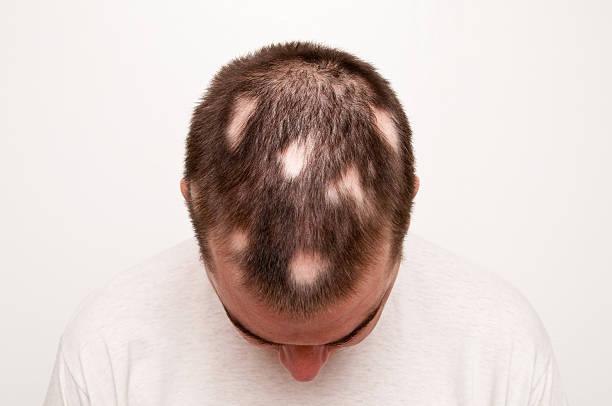
Not all hair loss is the same, and treating one type as though it were another wastes time, money, and hope. Alopecia areata has a distinct cause—an autoimmune attack on hair follicles—and its treatment reflects that. Alopecia Areata Treatment Cost in Riyadh Other forms of hair loss arise from entirely different mechanisms and require different approaches. Understanding these distinctions helps patients pursue the right care from the start.
Why Distinguishing Causes Matters
Hair loss has many causes, and each responds to specific treatments.
Applying alopecia areata treatment to a condition it was not designed for will not work. Accurate diagnosis is the foundation of effective care.
What Makes Alopecia Areata Different
Alopecia areata is an autoimmune condition. The immune system mistakenly attacks hair follicles.
This interrupts normal hair production, causing smooth, round patches of loss. The follicles remain alive, which is why regrowth is possible.
How Alopecia Areata Is Treated
Treatment focuses on modulating the immune response. Options include topical corticosteroids, intralesional injections, topical immunotherapy, and systemic medications.
The goal is to reduce inflammation around follicles and allow hair to regrow.
Cause Two: Androgenetic Alopecia
Androgenetic alopecia is pattern hair loss driven by genetics and hormones.
It presents as a receding hairline or thinning crown in men, and diffuse thinning in women. It is progressive rather than patchy.
How Androgenetic Alopecia Is Treated
Treatment includes minoxidil, finasteride, and other medications that target hormonal mechanisms.
Alopecia areata treatments do not address the hormonal drivers of this condition.
Cause Three: Telogen Effluvium
Telogen effluvium is stress-related shedding. It occurs after illness, surgery, childbirth, or severe stress.
It causes diffuse shedding rather than distinct patches. Most cases resolve once the trigger is removed.
How Telogen Effluvium Is Treated
Treatment focuses on addressing the underlying trigger and supporting recovery.
Alopecia areata treatments are not appropriate for this condition.
Cause Four: Traction Alopecia
Traction alopecia results from prolonged tension on hair follicles, often from tight hairstyles.
It causes thinning along the hairline and temples. Early intervention prevents permanent damage.
How Traction Alopecia Is Treated
Treatment involves stopping the tension and supporting regrowth.
Alopecia areata treatments do not address this mechanical cause.
Cause Five: Scarring Alopecias
Scarring alopecias destroy hair follicles permanently through inflammation or infection.
They require urgent diagnosis and targeted treatment to prevent further loss.
How Scarring Alopecias Are Treated
Treatment depends on the specific condition and may include anti-inflammatory medications.
Alopecia areata treatments are not appropriate.
Cause Six: Nutritional Deficiencies
Iron, vitamin D, zinc, and protein deficiencies can cause hair thinning.
Correction of the deficiency typically restores normal growth.
How Nutritional Hair Loss Is Treated
Treatment focuses on correcting the deficiency through diet or supplementation.
Alopecia areata treatments do not address nutritional causes.
The Importance of Accurate Diagnosis
Distinguishing between these conditions requires professional evaluation.
Blood tests, scalp examination, and sometimes biopsy confirm the diagnosis.
For those seeking expert guidance and customised aesthetic care, you can book an appointment consultation at the Enfield Royal Riyadh.
FAQs
How is alopecia areata different from pattern baldness?
Alopecia areata is autoimmune and patchy; pattern baldness is hormonal and progressive.
Can alopecia areata treatments help other hair loss types?
No, they target the autoimmune mechanism specifically.
What causes telogen effluvium?
Stress, illness, surgery, or childbirth triggers diffuse shedding.
How is traction alopecia treated?
By removing tension and supporting regrowth.
Why is accurate diagnosis important?
Different causes require different treatments; the wrong approach wastes time.
Final Thoughts
Alopecia areata is one of many causes of hair loss, each requiring a distinct approach. Autoimmune, hormonal, stress-related, mechanical, scarring, and nutritional causes all differ in mechanism and treatment. Accurate diagnosis ensures you pursue the right care. Understanding these distinctions prevents wasted effort and supports better outcomes.

 English
 Arabic
 French
 Spanish
 Portuguese
 Deutsch
 Turkish
 Dutch
Dutch
 Russian
 Romaian
 Portuguese (Brazil)
 Greek
Greek
