
Cerebral Palsy Treatment for Improving Communication Skills
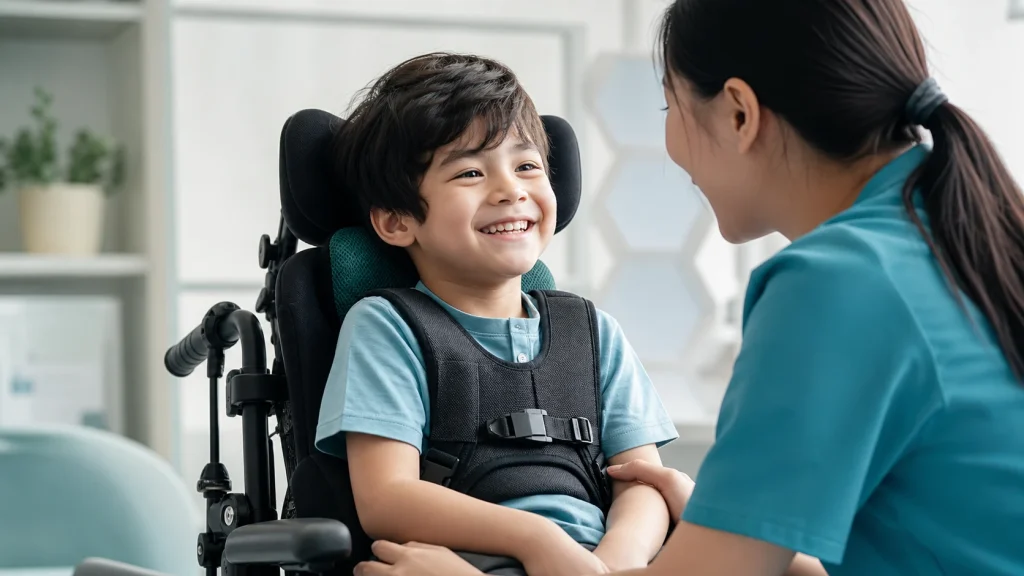
Cerebral palsy can affect movement and muscle coordination, and for some individuals, it may also influence speech, language, facial movements, or the ability to communicate easily. Cerebral Palsy Treatment In Dubai can include speech and language therapy alongside physiotherapy, occupational therapy, medical care, and individualized support. Communication-focused treatment aims to help individuals express needs, understand others, participate in conversations, and engage more confidently in everyday activities. Families can also coordinate healthcare needs through services such as Doctor at Home when appropriate. With consistent therapy and suitable communication strategies, individuals can develop or strengthen communication skills according to their abilities.
Understanding Communication Difficulties in Cerebral Palsy:
Communication challenges can vary significantly among people with cerebral palsy. Some individuals may have clear speech but require extra time to respond, while others may experience difficulties with articulation, voice control, breathing coordination, facial movements, or language development. Some people may understand language well but have difficulty producing spoken words. Others may experience both speech and language difficulties. Identifying the specific communication challenge is important because treatment should focus on the person's individual abilities rather than assuming that every person with cerebral palsy has the same needs.
The Role of Speech and Language Therapy:
Speech and language therapy can play an important role in developing communication skills. A speech and language therapist can assess speech clarity, language understanding, expression, voice, oral-motor abilities, and communication needs. Therapy activities are then selected according to the individual's goals and abilities. For children, therapy may involve games and age-appropriate activities, while adults may focus on communication needed for work, social interaction, or independent living. Regular assessment allows the therapist to modify activities as communication abilities change.
Improving Speech Clarity:
Some individuals with cerebral palsy may have difficulty controlling the muscles required for clear speech. Therapy may focus on improving coordination of breathing, voice production, articulation, and oral movements. Exercises and communication activities can be adapted to the person's specific speech pattern. Therapists may also teach strategies such as slowing the rate of speech, using pauses, emphasizing important sounds, or coordinating breathing with speaking. Progress can vary between individuals, so goals should be realistic and focused on meaningful communication.
Supporting Language Development:
Speech and language therapy may also address difficulties with understanding or using language. Children may need support with vocabulary, sentence formation, following instructions, answering questions, or expressing ideas. Adults may require assistance with communication following changes in physical or cognitive abilities. Therapy can use pictures, objects, books, conversation activities, and other appropriate methods to develop language skills. Families can reinforce these strategies during normal conversations and daily activities.
Using Alternative and Augmentative Communication:
When spoken communication is difficult, alternative and augmentative communication, often called AAC, can provide additional ways to express thoughts and needs. AAC can range from simple picture boards and communication books to electronic speech-generating devices. The appropriate system depends on the individual's motor abilities, communication needs, vision, hearing, language skills, and personal preferences. AAC does not necessarily replace speech. In many cases, it can complement existing speech and provide another reliable way to communicate.
Possible communication supports include:
- Picture communication boards
- Communication books
- Letter or symbol boards
- Gestures and facial expressions
- Speech-generating devices
- Tablet-based communication systems
- Eye-gaze communication technology
Supporting Communication at Home:
Families play an important role in helping individuals practice communication skills outside therapy sessions. Caregivers can create opportunities for communication during meals, play, personal care, shopping, school preparation, or family conversations. It is important to give the person enough time to respond instead of answering immediately on their behalf. Families can also use the communication methods recommended by the speech and language therapist consistently across different situations.
Helpful strategies may include:
- Allowing extra response time
- Asking clear and simple questions when appropriate
- Offering choices
- Using pictures or communication devices
- Listening without interrupting
- Confirming that the message was understood
- Encouraging communication during everyday activities
Improving Communication in Children:
Children with cerebral palsy may benefit from communication activities that are integrated into play and learning. Parents and therapists can use toys, pictures, stories, songs, and games to encourage interaction. Children can be given opportunities to request items, make choices, answer questions, describe activities, and participate in conversations. The approach should be adapted to the child's developmental level and communication abilities. Consistent communication strategies between home, therapy, and school can help children use their skills in different environments.
Supporting Adults With Communication Needs:
Adults with cerebral palsy may have communication goals related to employment, education, relationships, healthcare appointments, or community participation. Therapy can focus on practical situations that occur in everyday life. For example, an individual may practice explaining a need, making a telephone call, communicating with colleagues, or asking for assistance. Adults should be involved in setting their communication goals so that therapy reflects their preferences, responsibilities, and lifestyle.
Improving Oral-Motor and Feeding-Related Skills:
The muscles involved in speech may also be involved in chewing and swallowing. Some individuals with cerebral palsy may experience difficulty controlling these muscles, which can affect eating and communication. A qualified speech and language therapist can assess relevant oral-motor and feeding concerns when appropriate. Families should seek professional guidance if there are signs such as coughing during meals, difficulty swallowing, prolonged mealtimes, or repeated respiratory problems. Communication and feeding needs can sometimes be addressed as part of a coordinated care plan.
Using Technology to Support Communication:
Technology can provide additional communication opportunities for people who have difficulty speaking. Depending on the individual's abilities, electronic communication devices may allow them to select symbols, letters, words, or phrases that are then displayed or spoken aloud. Some systems can be customized to reflect a person's vocabulary and daily needs. Technology should be selected with professional guidance because the most advanced device is not necessarily the most suitable option for every individual.
Creating a Supportive Communication Environment:
The communication environment can have a significant effect on participation. Family members, teachers, caregivers, and healthcare professionals can help by giving individuals sufficient time to express themselves and by avoiding unnecessary pressure. Conversations should include the individual rather than focusing exclusively on the caregiver. In group settings, people may need additional time or communication tools to participate. A respectful environment can encourage individuals to communicate more frequently and confidently.
Working With the Healthcare Team:
Communication treatment often works best when different professionals coordinate their efforts. A speech and language therapist may focus on communication, while an occupational therapist can help with access to communication devices and physical positioning. Physiotherapists may address posture and movement that affect communication, while physicians can evaluate associated medical concerns. Families can help by sharing observations about communication at home, school, work, or other environments.
A coordinated team may include:
- Speech and language therapists
- Physicians
- Occupational therapists
- Physiotherapists
- Rehabilitation professionals
- Teachers or educational specialists
- Family caregivers
Tracking Communication Progress:
Communication progress may occur gradually, and small improvements can be meaningful. Families can keep track of changes in speech clarity, vocabulary, response time, use of communication devices, and participation in conversations. Progress should not be measured only by the number of spoken words. Being able to communicate a choice, express discomfort, ask for help, or participate in a social interaction can represent important functional progress. Regular professional assessments can help determine whether communication strategies should be modified.
Encouraging Confidence and Independence:
Communication is closely connected with independence. When individuals can express preferences, needs, questions, and concerns, they can participate more actively in decisions about their daily lives. Families should encourage communication rather than speaking for the person whenever they can safely and effectively communicate themselves. Patience is important because communication may take longer for some individuals. Celebrating effort and meaningful participation can help create a positive communication environment.
Final Thoughts:
Cerebral palsy treatment for improving communication skills should be individualized according to the person's speech, language, physical, and communication abilities. Speech and language therapy, AAC systems, technology, home practice, and coordinated professional support can provide valuable opportunities to communicate more effectively. Families can contribute by creating patient, supportive environments and using recommended communication strategies consistently. Whether the goal is clearer speech, stronger language skills, better use of a communication device, or greater participation in everyday conversations, personalized support can help individuals with cerebral palsy express themselves and participate more independently in daily life.

 English
 Arabic
 French
 Spanish
 Deutsch
 Turkish
 Dutch
Dutch
 Italiano
 Russian
 Romaian
 Portuguese (Brazil)
 Greek
Greek
