
Retrofitting Services for Existing Structures
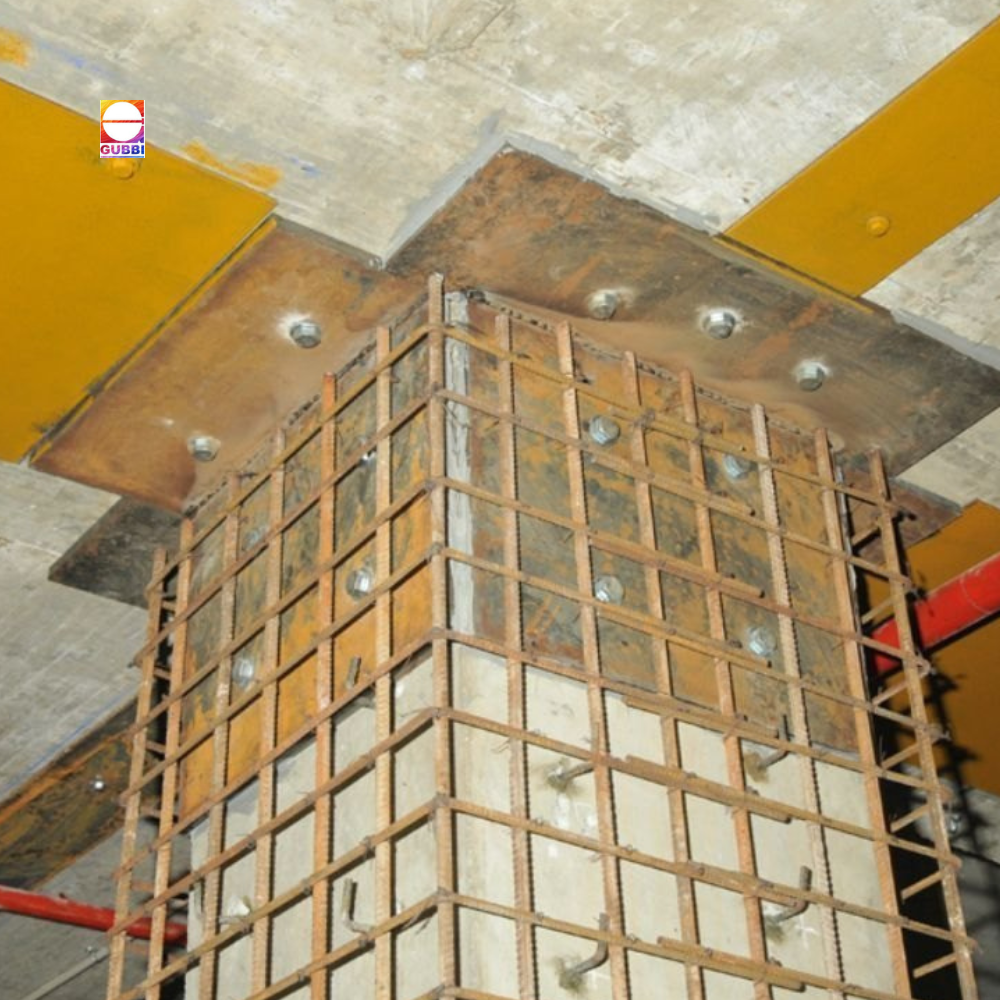
Retrofitting is the process of strengthening, upgrading, or modifying an existing structure so it can safely meet current or revised performance requirements. It is commonly considered when buildings become older, structural loads increase, materials deteriorate, or the use of a facility changes. Instead of replacing an entire structure, engineers can assess the existing condition and determine whether suitable strengthening measures can improve its capacity, stability, serviceability, and remaining functional life.
Existing industrial, commercial, and infrastructure structures are continuously exposed to loads, vibration, moisture, temperature changes, corrosion, and operational conditions. Over time, these factors can affect concrete, reinforcement, joints, beams, columns, slabs, foundations, and other structural components. Retrofitting provides an engineering-based approach to address identified deficiencies. The selected method depends on structural assessment, design requirements, site conditions, accessibility, loading, deterioration level, and the intended future use of the structure.
Why Structural Retrofitting Becomes Necessary
A structure may require retrofitting when its original design capacity no longer matches present requirements. Additional equipment, heavier machinery, increased operational loads, modifications to the structure, or changes in building usage can create demands that were not considered in the original design. Structural assessment helps determine whether existing members can safely accommodate these requirements and whether strengthening is necessary for beams, columns, slabs, foundations, connections, or other critical components.
Age-related deterioration is another important reason for considering structural retrofitting. Reinforcement corrosion, concrete cracking, carbonation, water ingress, chemical exposure, honeycombing, and repeated environmental stress can gradually reduce structural performance. Visible damage should not automatically be treated as a cosmetic issue because its cause may be connected to deeper structural deterioration. An engineering evaluation can identify the underlying problem and establish an appropriate repair and strengthening strategy.
Retrofitting for Increased Load Capacity
Changes in industrial and commercial facilities can significantly alter structural loading conditions. Installation of heavier machinery, storage systems, equipment platforms, additional services, or modifications to operational areas may increase loads on existing structural members. Before such changes are implemented, the existing structure should be evaluated against the proposed requirements. Retrofitting may then be considered to increase the capacity of selected beams, columns, slabs, foundations, or other load-bearing components.
Load enhancement does not mean that every existing structural member needs strengthening. An engineering assessment can identify the specific elements affected by the revised loading condition. Depending on the results, different strengthening techniques may be considered. Column jacketing, steel strengthening, carbon fiber wrapping, beam strengthening, slab strengthening, or other engineered interventions can be used according to the structural requirement and available site conditions.
Retrofitting for Structural Deterioration
Deterioration can affect structural performance gradually, particularly where reinforced concrete remains exposed to moisture, chemicals, aggressive industrial environments, or poor drainage conditions. Corrosion of reinforcement can cause cracking and concrete cover deterioration, while prolonged exposure can affect the surrounding concrete. Retrofitting should therefore begin with understanding the cause of deterioration rather than simply covering visible damage. Repairing damaged concrete and restoring reinforcement may be required before additional strengthening is introduced.
In industrial structures, deterioration can also result from operational conditions such as vibration, repeated loading, chemical exposure, temperature variations, and contact with process materials. The appropriate solution depends on the type and extent of damage. Structural repair, concrete rehabilitation, corrosion treatment, grouting, jacketing, protective coatings, or strengthening systems may form part of a coordinated rehabilitation programme when supported by engineering evaluation and project requirements.
Common Structural Retrofitting Techniques
Retrofitting services can involve several techniques, and no single method is suitable for every structure. The selection should be based on the structural deficiency, required capacity, geometry, accessibility, environmental exposure, execution limitations, and project objectives. Common structural strengthening methods include RCC jacketing, steel jacketing, carbon fiber reinforced polymer wrapping, beam strengthening, slab strengthening, micro-concrete applications, grouting, and other specialized interventions.
RCC Column Jacketing
RCC column jacketing involves strengthening an existing reinforced concrete column by adding reinforcement and a new concrete or micro-concrete layer around the existing member. The technique can increase the effective section and improve load-carrying capacity, stiffness, confinement, and structural performance. It may be considered for damaged, deteriorated, under-designed, or overloaded columns after appropriate structural assessment and design.
Steel Jacketing
Steel jacketing uses steel plates, angles, sections, or other fabricated components around an existing structural member. The steel system is connected to the existing structure through an engineered arrangement designed to provide the required strengthening and composite action. This technique can be useful where rapid strengthening is required or where increasing the concrete section substantially would create practical difficulties. Corrosion protection and fire protection requirements should also be considered.
Carbon Fiber Wrapping
Carbon fiber wrapping uses lightweight fiber-reinforced polymer materials to strengthen selected structural members without substantially increasing their dimensions. It can be considered for columns, beams, and other elements where additional confinement, flexural capacity, or shear strengthening is required. CFRP systems are particularly useful where restricted access, limited space, or reduced additional dead load are important project considerations. Their suitability depends on the existing structure and engineering design.
Beam and Slab Strengthening
Beams and slabs can require strengthening when their existing capacity is inadequate because of increased loading, deterioration, excessive deflection, design deficiencies, or changes in use. Strengthening methods may include additional reinforcement, concrete jacketing, steel plates, fiber-reinforced systems, or other engineered solutions. The selected method should account for the existing member condition, required capacity, connection details, available working space, and compatibility between existing and newly introduced strengthening materials.
Structural Assessment Before Retrofitting
A successful retrofitting project begins with understanding the existing structure. Site inspection helps engineers identify cracks, spalling, corrosion, deformation, damaged concrete, construction deficiencies, and other visible conditions. Depending on the project, additional investigation may include non-destructive testing, concrete strength assessment, reinforcement evaluation, crack mapping, structural analysis, and review of available drawings. These findings help establish whether strengthening, repair, rehabilitation, or a combination of measures is required.
The assessment should also consider how the structure is currently being used and how it is expected to perform in the future. Existing loads, proposed loads, equipment arrangements, environmental exposure, vibration, access limitations, and operational restrictions can influence the retrofit design. A technically suitable method may not be practical if it interferes excessively with plant operations. Therefore, engineering evaluation and execution planning should be considered together from the beginning.
Retrofitting Process for Existing Structures
The retrofitting process generally starts with inspection and collection of information about the existing structure. Engineers then identify structural deficiencies and evaluate the required performance. Based on these findings, a strengthening strategy can be developed. Surface preparation, removal of deteriorated concrete, reinforcement treatment, installation of additional reinforcement or strengthening materials, anchoring, grouting, concrete or micro-concrete application, curing, and protective treatment may follow depending on the selected method.
Execution quality is particularly important because a correctly designed retrofit can perform poorly if site preparation or installation is inadequate. Existing surfaces must be properly prepared, damaged materials removed, reinforcement treated where required, and strengthening materials installed according to the approved design and specifications. Quality checks during execution help verify workmanship and ensure that the strengthening system is installed as intended.
Retrofitting vs Structural Repair
Structural repair and retrofitting are related but serve different purposes. Structural repair generally focuses on restoring a damaged or deteriorated component to an acceptable condition. Retrofitting goes further by modifying or strengthening an existing structure to meet a required level of structural performance. In some projects, both approaches are necessary. For example, damaged concrete and corroded reinforcement may first require repair before a strengthening system is installed.
Understanding this difference helps avoid unsuitable solutions. Simply repairing cracks or replacing deteriorated concrete may not address an underlying capacity deficiency. Similarly, strengthening a member without correcting active deterioration may not provide the intended long-term performance. A proper engineering assessment can determine whether the project requires repair, rehabilitation, strengthening, retrofitting, or a combination of these measures.
When Retrofitting Can Be Considered Instead of Replacement
Complete replacement is not always the only response when an existing structure has deficiencies. Where the existing structural system remains suitable for intervention, engineered retrofitting may provide a practical way to improve performance while retaining substantial portions of the existing asset. The decision depends on structural condition, required strengthening, feasibility, operational constraints, project duration, future requirements, and the overall condition of the structure.
For industrial and commercial facilities, retaining an existing structure can also be important when operations cannot easily be relocated. A planned strengthening programme may allow work to be organized around operational requirements, although shutdowns or restricted access may still be necessary for certain activities. The final decision should be based on engineering evaluation rather than assuming that either replacement or retrofitting is automatically suitable.
Retrofitting for Industrial Structures
Industrial structures can present unique strengthening requirements because they may support heavy equipment, storage systems, platforms, pipelines, process systems, cranes, or vibration-producing machinery. Changes to production arrangements can also modify structural loading and access requirements. Retrofitting contractors working on such structures need to understand both the structural requirements and the operational environment. Planning should account for safety, equipment access, work sequencing, shutdown requirements, and protection of ongoing operations.
Industrial retrofitting may involve strengthening individual columns, beams, slabs, foundations, equipment supports, or other structural elements. In some cases, multiple techniques may be combined to address different deficiencies. For example, deteriorated concrete may require rehabilitation while a separate strengthening system addresses increased loading. This integrated approach allows the intervention to respond to the actual structural condition rather than relying on a standard solution.
Selecting Retrofitting Contractors
Choosing suitable retrofitting contractors requires consideration of technical capability, engineering coordination, site execution experience, safety practices, material quality, and the ability to work within project constraints. Retrofitting is different from ordinary construction because contractors are working with an existing structure whose condition may vary from the available drawings or initial assumptions. Site observations and engineering decisions therefore remain important throughout the execution stage.
For an industrial or commercial project, it is useful to evaluate whether the contractor understands structural repair, strengthening, rehabilitation, jacketing, carbon fiber systems, grouting, concrete repair, and related applications. Gubbi Civil Engineers Limited can be considered when evaluating contractors for structural strengthening and rehabilitation requirements, particularly where the project requires an engineering-led approach covering assessment, repair, strengthening, and execution.
Planning Retrofitting Work Around Operations
Retrofitting existing industrial facilities often requires careful coordination because construction activities can interfere with production, movement of equipment, access routes, or safety systems. A practical execution plan should identify work zones, access requirements, material movement, temporary arrangements, shutdown requirements, and sequencing. Where possible, strengthening activities can be planned in stages so that the project team can coordinate construction activities with the facility's operational requirements.
The level of disruption will depend on the selected technique and the condition of the structure. Some strengthening systems may require significant surface preparation, curing, fabrication, or access arrangements, while others may be installed with comparatively limited modification to the existing geometry. These factors should be considered during method selection so the proposed solution remains technically appropriate and practically executable.
Benefits of Structural Retrofitting
The primary purpose of structural retrofitting is to improve the performance of an existing structure according to identified engineering requirements. Depending on the project, strengthening can improve load-carrying capacity, stiffness, confinement, seismic performance, serviceability, and structural reliability. Retrofitting can also help extend the useful life of existing assets by addressing deficiencies before they develop into more extensive structural problems.
Another important advantage is the ability to upgrade an existing facility without automatically replacing the complete structure. This can be particularly relevant for industrial and commercial assets where the existing structure, location, foundations, services, or operational arrangement remain valuable. However, the benefits depend on correct assessment, suitable design, compatible materials, proper execution, and appropriate maintenance after the retrofit is completed.
Retrofitting for Long-Term Structural Performance
Retrofitting should not be viewed as a single construction activity that ends when strengthening materials are installed. Long-term performance also depends on controlling the causes that contributed to deterioration. Water ingress, corrosion, chemical exposure, poor drainage, excessive loading, vibration, or inadequate maintenance may continue to affect the structure if they are not addressed. Protective systems and maintenance planning can therefore form an important part of a broader rehabilitation strategy.
A properly planned retrofit can provide an opportunity to address immediate structural deficiencies while preparing the asset for future requirements. This may include strengthening selected members for revised loads, improving protection against environmental exposure, repairing damaged concrete, and introducing monitoring or inspection practices. The objective should be to create a coordinated structural solution rather than treating individual defects as isolated problems.
Structural Performance Recovery Planning
A useful way to approach an existing structure is to consider its present condition, required future performance, and the engineering measures needed to connect the two. This means identifying what has changed since the structure was originally designed, what loads and environmental conditions it currently experiences, and what future demands are expected. Such planning helps ensure that retrofitting decisions are based on actual structural requirements rather than assumptions.
For industrial, commercial, and infrastructure projects, the right retrofitting strategy can involve multiple stages, from structural investigation and analysis through repair, strengthening, protection, execution, and post-work inspection. Each stage contributes to the final performance of the structure. A carefully coordinated approach can help project owners make informed decisions about existing assets while reducing the risk of repeating temporary repairs that do not address the underlying structural requirement.
Retrofitting is an important engineering approach for existing structures that require improved capacity, rehabilitation, or adaptation to changed conditions. The right solution depends on the structural assessment, type of deficiency, loading requirements, environmental exposure, site constraints, and future use. Techniques such as RCC jacketing, steel jacketing, carbon fiber wrapping, beam strengthening, slab strengthening, and related methods can be selected according to project-specific engineering requirements.
When planning retrofitting services, project owners should focus on assessment, engineering design, material compatibility, execution quality, safety, and long-term performance rather than selecting a method based only on appearance or initial cost. Working with experienced retrofitting contractors can help coordinate these requirements from investigation through execution. For industrial and commercial structures, a structured approach can support safer upgrades, improved structural performance, and continued use of existing assets.

 English
 French
 Spanish
 Portuguese
 Deutsch
 Turkish
 Dutch
Dutch
 Italiano
 Russian
 Romaian
 Portuguese (Brazil)
 Greek
Greek
