
Jalalpur Jattan: Inside Pakistan's Shawl-Making Capital
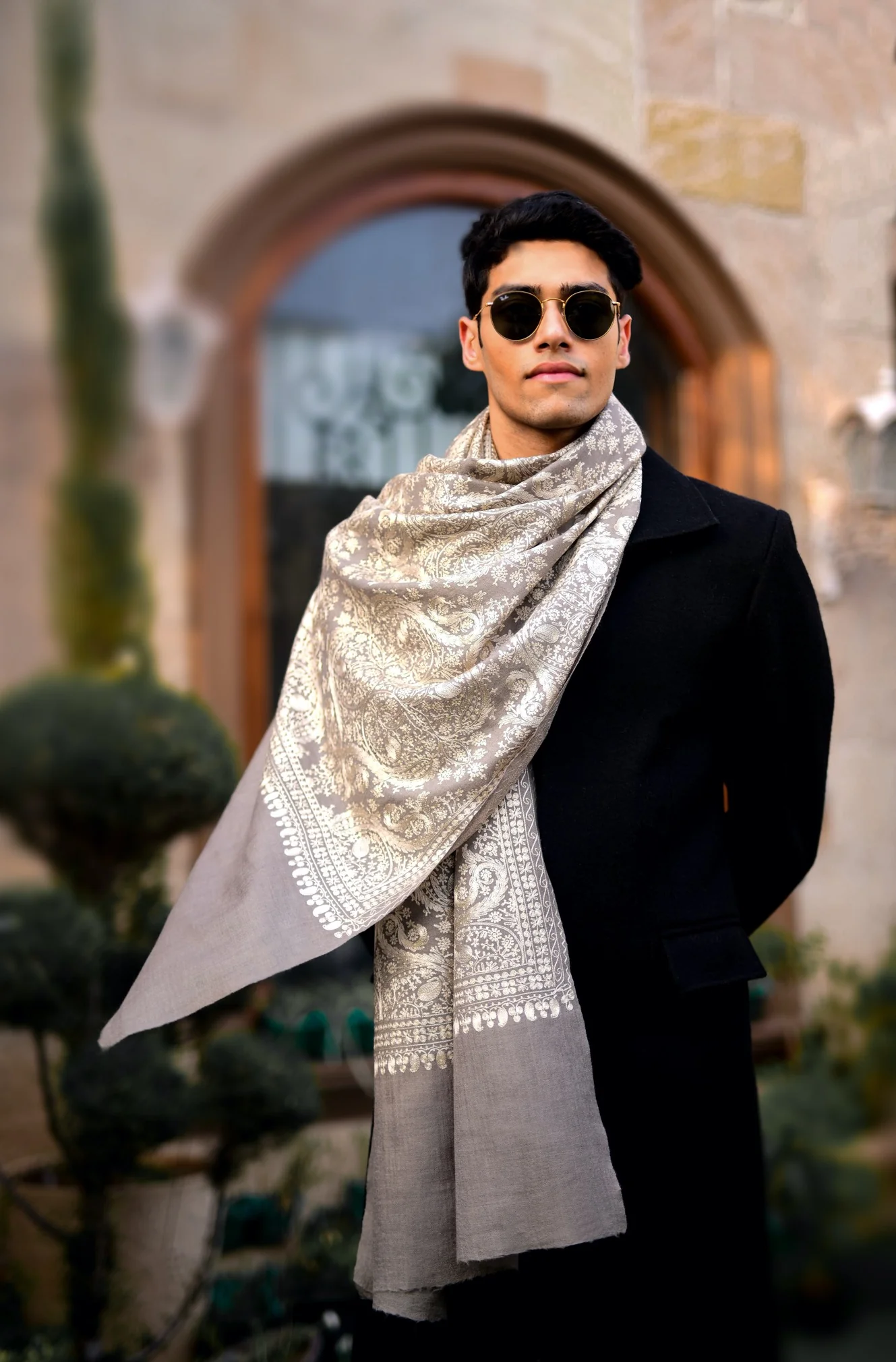
Pakistan's shawl tradition is closely connected with craftsmanship, regional culture, and generations of textile knowledge. While many people associate Pakistani shawls with Kashmir or other famous textile regions, Jalalpur Jattan in Punjab has also developed a strong reputation for shawl production.
Located in Gujrat District, Jalalpur Jattan is known for textile-related craftsmanship and traditional shawl manufacturing. The area's skilled workers, established production practices, and access to textile markets have helped make it an important name for buyers looking for Pakistani shawls.
From traditional wool designs to luxurious cashmere shawls, the region offers a variety of products for local and national markets.
Where Are Jalalpuri Shawls Made?
One of the most common questions from shoppers is: where are Jalalpuri shawls made?
Jalalpuri shawls are associated with Jalalpur Jattan, a city in Gujrat District, Punjab, Pakistan. The name "Jalalpuri" essentially connects the shawl with its place of origin or production tradition.
The wider Gujrat shawl industry includes workshops, manufacturers, traders, and skilled workers involved in producing and selling different types of shawls.
This regional connection is important because Pakistani textile products often carry names linked to the places where particular crafts or manufacturing traditions developed.
What Makes a Jalalpur Jattan Shawl Special?
A Jalalpur Jattan shawl is valued not only for its appearance but also for the craftsmanship involved in producing it.
Local manufacturers may work with different fabrics and blends depending on the product. Wool is commonly associated with winter shawls because of its warmth, while finer materials are used for softer and more luxurious designs.
The final appearance can vary considerably. Some shawls have simple designs intended for everyday wear, while others feature detailed patterns, decorative borders, or sophisticated color combinations suitable for formal occasions.
This variety makes Jalalpuri shawls suitable for different preferences and budgets.
The Jalalpuri Shawl Making Process
The Jalalpuri shawl making process involves several stages. While the exact method can differ between manufacturers, the general process begins with selecting suitable raw materials.
1. Selecting the Fiber
The first stage is choosing the material. Depending on the type of shawl, manufacturers may use wool, cashmere, synthetic fibers, or blends.
The quality and characteristics of the raw material affect the softness, warmth, durability, and overall appearance of the finished shawl.
2. Preparing the Yarn
The selected fibers are processed into yarn suitable for weaving or other manufacturing methods.
At this stage, factors such as yarn thickness and consistency are important. Proper preparation helps create an even and attractive fabric.
3. Weaving the Fabric
The prepared yarn is then woven into fabric using appropriate machinery or traditional techniques.
The weaving process determines much of the shawl's texture and structure. Experienced workers pay attention to consistency so that the finished material has a uniform appearance.
4. Creating Patterns and Borders
Many Jalalpuri shawls feature patterns, borders, or decorative elements.
Depending on the design, these details may be incorporated during weaving or added through other textile techniques. Traditional patterns can give the shawl a distinctive Pakistani appearance.
5. Finishing
After weaving, the fabric goes through finishing processes. These may include cleaning, trimming, brushing, pressing, and quality inspection.
Finishing helps improve the appearance and feel of the shawl before it reaches shops or customers.
6. Quality Checking
The final step is quality control. Manufacturers inspect the shawl for weaving problems, loose threads, uneven patterns, stains, or other defects.
Higher-quality products generally receive more attention during finishing and inspection.
The Role of the Gujrat Shawl Industry
The Gujrat shawl industry forms part of the area's broader textile and manufacturing economy.
Small workshops and larger manufacturers can contribute to production, while traders and retailers connect these products with customers across Pakistan.
The industry also demonstrates how regional textile traditions can develop into commercial products. A shawl may begin as fabric produced locally but eventually reach customers in Lahore, Islamabad, Karachi, and other cities.
Online shopping has also made it easier for customers outside Punjab to discover regional products.
Jalalpuri Shawls and Cashmere
Not every Jalalpuri shawl is made from cashmere. The material depends on the individual product and manufacturer.
However, shoppers looking for luxury winter accessories may come across cashmere shawls for men from Pakistani manufacturers and retailers.
Cashmere is known for its softness, light weight, and insulating properties. Because genuine cashmere is a premium fiber, buyers should carefully check product descriptions before purchasing.
A shawl described as "cashmere" may sometimes be a blend rather than pure cashmere. Always check the stated fabric composition and ask the seller for clarification if the information is unclear.
Cashmere Shawls vs Wool Shawls
Both materials can work well for winter, but they have different characteristics.
Cashmere shawls are generally associated with a softer, lighter, and more luxurious feel. They are often chosen for formal occasions, gifting, or premium winter wardrobes.
Wool shawls tend to be more robust and are available in a wider range of price points. They can be excellent for everyday winter wear.
When choosing between them, consider how frequently you will use the shawl, your budget, desired softness, and the type of occasion.
How to Identify a Quality Jalalpuri Shawl
If you are purchasing a Jalalpuri product, consider these factors:
-
Check the fabric composition.
-
Examine the weave for consistency.
-
Look closely at the borders and patterns.
-
Check the dimensions.
-
Feel the fabric when possible.
-
Look for loose threads or visible defects.
-
Read the seller's return and exchange policy.
-
For premium materials, verify whether the product is pure or blended.
These checks are particularly important when buying online because photographs cannot always show the true texture of a fabric.
Why Jalalpuri Shawls Matter
The popularity of Jalalpuri shawls represents more than winter fashion. It reflects the connection between regional manufacturing, traditional textile skills, and Pakistan's broader clothing culture.
Jalalpur Jattan's connection with shawl production has helped establish the area as a recognizable name among people interested in Pakistani textiles.
Whether you choose a traditional wool shawl or explore cashmere shawls for men, understanding where and how the product is made can make the shopping experience more meaningful.
Final Thoughts
Jalalpur Jattan has an important place in Pakistan's regional textile landscape. Its connection with shawl production has helped give Jalalpuri shawls a recognizable identity among Pakistani consumers.
The Jalalpuri shawl making process can involve material selection, yarn preparation, weaving, pattern creation, finishing, and quality checking. Meanwhile, the wider Gujrat shawl industry connects manufacturers and skilled workers with markets across the country.
For shoppers, the key is to look beyond the name. Whether you are searching for a Jalalpur Jattan shawl, traditional wool design, or premium cashmere shawls, checking the fabric, construction, craftsmanship, and seller information can help you choose a product that matches your needs.

 English
 Arabic
 Spanish
 Portuguese
 Deutsch
 Turkish
 Dutch
Dutch
 Italiano
 Russian
 Romaian
 Portuguese (Brazil)
 Greek
Greek
