
CRM Funnel: How to Turn Customer Interest Into Sales
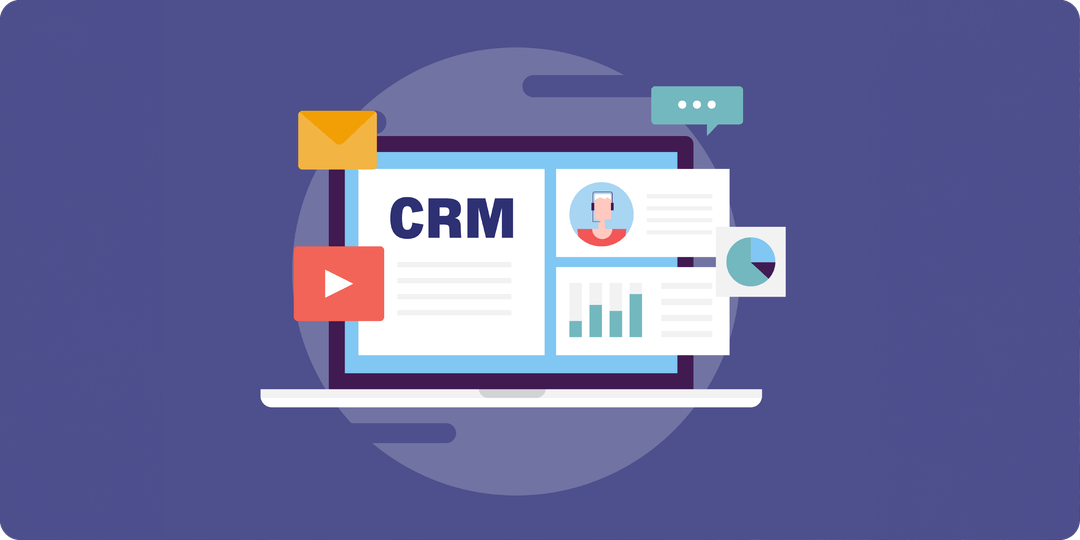
A prospect rarely becomes a customer after the first interaction. They may discover a company through a search, read a blog, visit the website, download a resource, speak with a sales representative, and then spend days or weeks deciding whether to buy. Keeping track of this journey is where a crm funnel becomes useful.
A CRM funnel connects marketing and sales activity with the stages a prospect moves through before becoming a customer. Instead of treating every lead the same way, businesses can understand where people are in their journey, what they need next, and when a sales conversation makes sense.
For growing businesses, this creates a more organized path from initial awareness to conversion while giving marketing and sales teams a shared view of every opportunity.
What Is a CRM Funnel?
A CRM funnel is a visual representation of how contacts move through different stages of the customer journey inside a CRM system.
Someone who has just discovered a brand should not receive the same communication as someone who has requested a product demo. Their level of interest is different, and the information they need is different too.
The funnel helps teams recognize that difference.
It can track activities such as website visits, form submissions, email engagement, sales calls, demos, proposals, and closed deals. As prospects move forward, the CRM stores their history and helps teams decide what action should happen next.
Why Businesses Use CRM Funnels
Without a structured funnel, leads can easily fall through the cracks. A marketing team may generate hundreds of contacts, but sales representatives still need to know which ones are worth pursuing and when.
A CRM funnel provides a common framework for managing that process.
It can help businesses:
- Organize leads based on buying intent
- Identify stalled opportunities
- Automate routine follow-ups
- Track marketing and sales performance
- Improve lead handoffs between teams
- Forecast potential revenue
The real value comes from connecting customer activity to business decisions rather than simply storing contact information.
Understanding CRM Funnel Stages
The exact crm funnel stages vary by company, but most follow a similar progression.
Awareness
At this point, a prospect has discovered the business but may not have a strong buying intention. They could have found a blog article, searched for a solution, or interacted with a social post.
The goal here is education rather than immediate selling.
Interest
The prospect begins showing stronger engagement. They may download a guide, subscribe to emails, return to the website, or explore product pages.
This stage gives marketers more information about what the prospect cares about.
Consideration
The prospect is actively comparing options or evaluating whether a solution fits their needs. This is where sales involvement often becomes more important.
Product demonstrations, consultations, case studies, and detailed conversations can help move the relationship forward.
Decision
The prospect is now considering a purchase. Pricing discussions, proposals, negotiations, and approvals generally happen here.
Conversion
The opportunity becomes a customer. The process does not necessarily end here, because onboarding, retention, upselling, and advocacy can become part of the wider customer lifecycle.
What Are the Stages of the CRM Sales Funnel?
People often ask, what are the stages of the crm sales funnel? While terminology differs between organizations, the process generally moves from awareness and interest to qualification, consideration, decision, and conversion.
The important part is not the exact labels. What matters is that each stage has a clear purpose and defined criteria for moving a prospect forward.
For example, a business might consider a contact qualified only after the prospect has identified a business need, matched the target customer profile, and agreed to a sales conversation.
Clear definitions prevent teams from filling the CRM with leads that are unlikely to become opportunities.
How a Sales Funnel CRM Supports Sales Teams
A sales funnel crm gives sales representatives visibility into their active opportunities.
Instead of relying on memory or a collection of spreadsheets, a salesperson can see which prospects need a follow-up, which proposals are pending, and which opportunities are close to a decision.
This also helps managers identify bottlenecks. If dozens of opportunities remain stuck after a product demonstration, for example, the issue may be related to pricing, qualification, messaging, or follow-up.
The CRM makes that pattern easier to spot.
CRM Marketing Channels and the Funnel
Different acquisition channels often produce prospects with different levels of intent.
A visitor from organic search may be looking for educational information, while someone arriving through a branded search may already know the company. Email, paid advertising, referrals, webinars, social media, and events can also contribute contacts at different points in the journey.
Using crm marketing channels data alongside funnel stages helps businesses understand which sources generate engagement and which ultimately contribute to revenue.
This is more useful than measuring channel performance only through clicks or impressions.
CRM and Sales Funnel Automation
Automation becomes especially valuable when lead volumes increase.
With crm and sales funnel automation, businesses can trigger actions based on customer behavior. A new lead might receive a welcome email, while someone who requests a demo could automatically be assigned to a sales representative.
Other common examples include reminders for unanswered leads, notifications when prospects revisit important pages, and follow-up sequences after sales meetings.
Automation should support human interaction rather than replace it. The goal is to make sure routine work happens consistently while sales professionals focus on conversations that require judgment.
Types of CRM Funnels for Marketing
Not every business needs the same funnel structure. There are several types of crm funnels for marketing, depending on the buying journey.
A lead generation funnel focuses on turning website visitors into identifiable contacts.
A content-driven funnel uses educational resources to build interest before a sales conversation.
A product-led funnel may focus on trials, product usage, and conversion.
An account-based funnel is designed around specific companies rather than individual leads and is often used in B2B sales.
Businesses can also create separate funnels for different products, customer segments, or sales motions.
CRM Marketing Funnels for Better Customer Journeys
Effective crm marketing funnels should reflect how people actually make purchasing decisions.
For example, a long-cycle B2B purchase may require several months of education and multiple conversations, while a simpler product might convert within days.
The funnel should therefore be flexible enough to match the customer journey. Teams can create different workflows, messages, and qualification criteria for different audiences without losing visibility across the business.
Making the CRM Funnel Work Better
Technology alone will not fix a weak sales process. Businesses should first define what each stage means and what evidence is required before an opportunity moves forward.
It is also important to keep CRM data clean. Duplicate contacts, outdated information, and incomplete records can make funnel reports misleading.
Finally, marketing and sales teams should review the funnel together. A funnel works best when both teams agree on lead definitions, handoff points, follow-up expectations, and the metrics used to measure progress.
Conclusion
A CRM funnel gives businesses a practical way to understand how prospects move from first interaction to purchase. By organizing stages, tracking behavior, and automating routine actions, it creates a clearer connection between marketing activity and sales outcomes.
The strongest funnel is not necessarily the one with the most stages or automations. It is the one that reflects the real customer journey and gives teams useful information at every step.
To build a more connected approach to lead and opportunity management, contact InsightCRM.

 English
 Arabic
 French
 Spanish
 Portuguese
 Deutsch
 Turkish
 Dutch
Dutch
 Italiano
 Romaian
 Portuguese (Brazil)
 Greek
Greek
