
What Can Affect Hepatitis C Test Results?
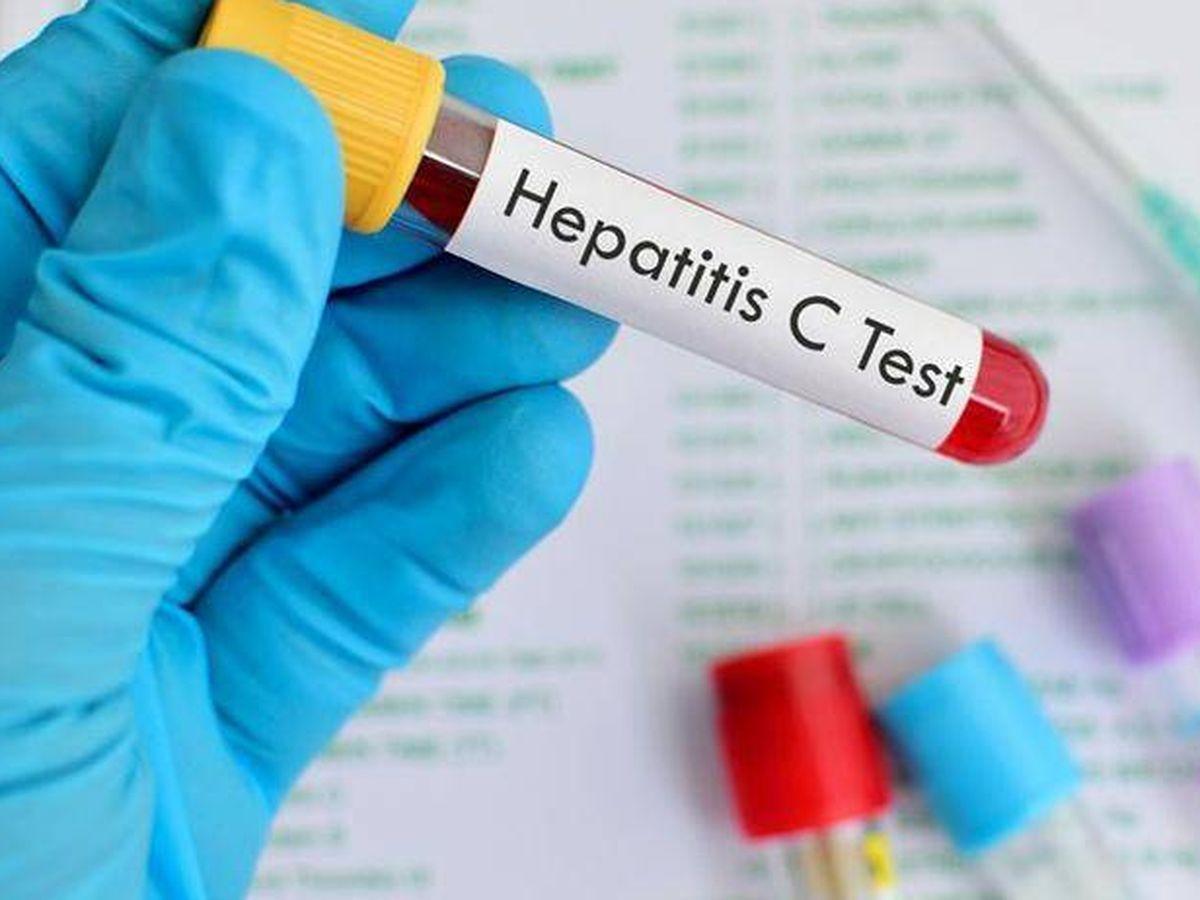
Hepatitis C testing can provide important information about possible exposure or current infection. However, understanding a test result requires more than simply looking at whether it is positive or negative. The type of test performed, the timing of testing, previous exposure, and individual health circumstances can all influence how results should be interpreted.
A Hepatitis C Test in Dubai may involve an antibody test, an HCV RNA test, or additional laboratory evaluation depending on the person's circumstances. Understanding the factors that can affect testing can help patients have more informed conversations with healthcare professionals.
Why Different Hepatitis C Tests Give Different Information
Not every hepatitis C test looks for the same thing. An HCV antibody test checks whether the immune system has produced antibodies against the virus. An HCV RNA test, on the other hand, looks for genetic material from the virus itself.
Because these tests detect different markers, their results can have different meanings. A positive antibody test may show previous exposure without proving that an active infection is currently present.
An HCV RNA test can help determine whether the virus is currently detectable in the blood. Healthcare professionals may therefore use more than one type of test when evaluating a possible infection.
Enfiled STD Clinic and Result Interpretation
At Enfiled STD Clinic, people concerned about hepatitis C testing can discuss their medical history, possible exposure, previous results, and testing concerns with healthcare professionals.
Professional interpretation is particularly important when a result is unexpected or when testing was performed soon after possible exposure. A healthcare provider can consider the complete circumstances rather than interpreting a laboratory result in isolation.
Patients should provide accurate information about previous testing and possible exposure because these details can help healthcare professionals determine whether additional testing may be appropriate.
Testing Timing Can Affect Results
One of the most important factors is when the test is performed. After exposure to hepatitis C, the body may need time to develop detectable antibodies.
If an antibody test is performed too soon, antibodies may not yet be detectable. This means an early negative result may not always provide the same information as a negative result obtained after the appropriate testing period.
HCV RNA testing can detect the virus itself and may be useful in situations where recent exposure is suspected. The appropriate test and timing should be determined with professional medical guidance.
Previous Hepatitis C Exposure
A person's previous exposure history can also affect how a test result is interpreted.
Someone who had hepatitis C in the past may continue to have detectable antibodies even if the virus is no longer present. Therefore, a positive antibody result does not necessarily indicate an active infection.
Additional testing may be necessary to determine whether HCV RNA is currently detectable. This distinction helps healthcare professionals separate evidence of previous exposure from evidence of current infection.
Previous Hepatitis C Treatment
People who have previously received treatment for hepatitis C should tell their healthcare provider about it before testing or when discussing results.
Antibody tests may remain positive after successful treatment because antibodies can persist after the infection has been cleared. As a result, an antibody test alone may not show whether the person currently has an active infection.
In such situations, healthcare professionals may consider HCV RNA testing when evaluating current infection status.
The Type of Sample and Laboratory Process
The quality and handling of a blood sample can also be important in laboratory testing. Proper collection, labeling, storage, and processing help laboratories perform testing correctly.
Healthcare facilities follow procedures designed to maintain sample integrity and reduce the possibility of errors. If a laboratory identifies a problem with a sample, it may recommend collecting another sample.
Patients generally do not need to take special action regarding laboratory handling, but they should follow any preparation instructions provided by their healthcare provider or testing facility.
Recent Exposure Can Create Uncertainty
A recent possible exposure can make hepatitis C testing more complicated because different markers may become detectable at different times.
For example, an antibody test performed shortly after exposure may not detect antibodies yet. A healthcare professional may therefore recommend an appropriate testing strategy based on when the possible exposure occurred.
If a person receives a negative result after a very recent exposure, they should ask whether follow-up testing is recommended rather than assuming that one early result completely rules out infection.
Symptoms Do Not Always Match Test Results
Hepatitis C can sometimes occur without obvious symptoms. When symptoms do occur, they may include fatigue, nausea, abdominal discomfort, dark urine, or jaundice.
These symptoms are not specific to hepatitis C and can have many other causes. As a result, symptoms alone cannot confirm or exclude infection.
A person may feel completely healthy and still have hepatitis C, while someone experiencing similar symptoms may have another medical condition. Laboratory testing and professional assessment are therefore important when infection is suspected.
Other Medical Information May Provide Context
Healthcare professionals may consider other medical information when reviewing hepatitis C results. This can include previous laboratory findings, medical history, known exposure risks, and whether the person has previously been diagnosed or treated.
The goal is to understand the result within the person's overall clinical situation.
For example, a reactive antibody test may have a different interpretation in someone with a documented history of hepatitis C treatment than in someone who has never previously been tested.
What a Positive Antibody Result Can Mean
A positive or reactive hepatitis C antibody result generally indicates that the immune system has encountered the virus.
However, it does not automatically mean that the virus is currently present. Additional testing may be needed to determine whether there is an active infection.
Patients should avoid making conclusions based only on an antibody result. A healthcare professional can explain whether additional HCV RNA testing or other evaluation is appropriate.
What a Negative Result Can Mean
A negative hepatitis C result generally means that the relevant marker was not detected by the test performed. However, the significance depends on the type of test and the timing.
If testing was performed after a sufficiently long period following possible exposure, a negative antibody result may provide useful information. If the exposure was recent, additional testing may sometimes be recommended.
Discussing the timing of testing with a healthcare professional can help provide a clearer understanding of the result.
When Repeat Testing May Be Recommended
Repeat testing may be considered in several circumstances. These can include recent possible exposure, an unclear initial result, or situations where the initial test does not provide enough information to determine current infection status.
Repeat testing is not necessarily a sign that something is wrong. Sometimes it is simply part of a testing strategy designed to account for the time required for specific markers to become detectable.
Following the testing schedule recommended by a healthcare professional can help provide more reliable information.
Why Professional Guidance Matters
Internet searches can provide general information about hepatitis C testing, but individual results should be interpreted according to the person's circumstances.
A healthcare professional can explain the specific test used, what the result indicates, whether previous exposure changes its meaning, and whether additional testing is necessary.
If a result seems confusing or unexpected, asking the healthcare provider for clarification is generally more useful than trying to interpret the result independently.
Final Thoughts
Several factors can affect how hepatitis C test results are understood, including the type of test, timing after possible exposure, previous infection, previous treatment, and individual medical history. A Hepatitis C Test in Dubai can provide valuable information, but the result should always be interpreted in the appropriate clinical context.
If you have recently experienced a possible exposure or have questions about a previous hepatitis C result, discussing your circumstances with a qualified healthcare professional can help determine whether further testing or follow-up is appropriate.

 English
 Arabic
 French
 Spanish
 Deutsch
 Turkish
 Dutch
Dutch
 Italiano
 Russian
 Romaian
 Portuguese (Brazil)
 Greek
Greek
