
Best Pilot Training School in India for Aspiring Commercial Pilots
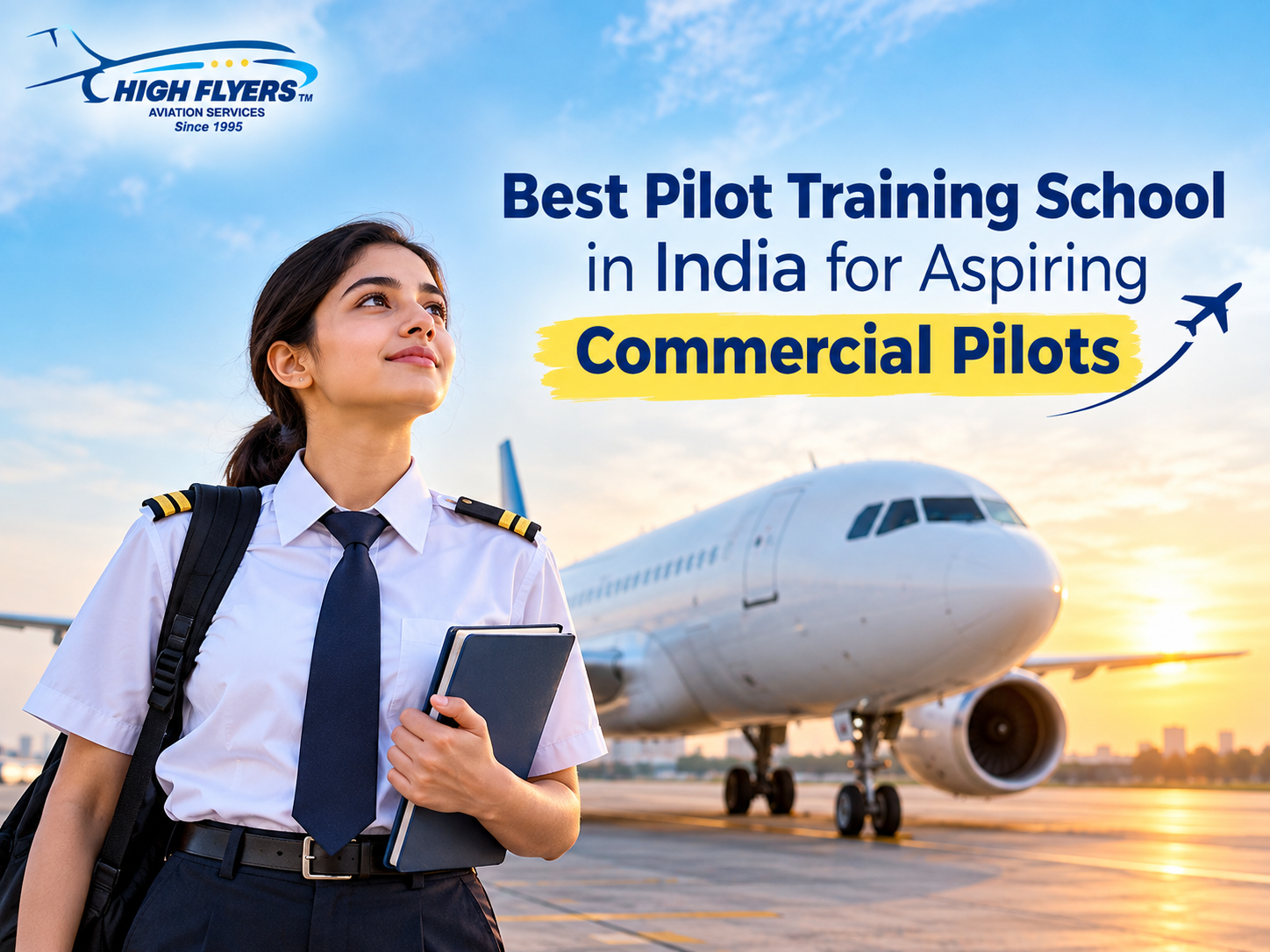
Choosing the Best Pilot training school is an important decision for students who want to build a professional aviation career. A suitable training institute should provide strong theoretical education, practical flight training, experienced instructors, and guidance throughout the learning journey. Aspiring commercial pilots should also understand DGCA requirements, CPL training, medical standards, examinations, flying hours, and career preparation before selecting a pilot training program.
Understanding Commercial Pilot Training
Commercial pilot training combines classroom education with practical flying experience. Students first develop knowledge of aviation subjects and then apply that knowledge during flight training.
Ground studies may cover Air Navigation, Aviation Meteorology, Air Regulations, Technical General, and other relevant subjects. These areas help students understand how aircraft operate and how pilots make decisions in different situations.
Practical flight training then allows students to develop aircraft-handling skills under instructor supervision. Students gradually learn take-offs, landings, navigation, communication, emergency procedures, and other important flying skills.
What Makes a Good Pilot Training School?
Choosing a training school requires more than comparing course fees. Students should evaluate the complete learning environment and understand what the institute offers.
Important factors include:
-
Qualified and experienced instructors
-
Structured DGCA ground classes
-
Aircraft availability
-
Practical flight-training facilities
-
Training schedules
-
Maintenance support
-
Student guidance
-
Examination preparation
-
Career development support
-
Clear information about costs
A well-organized training program can help students maintain consistency between ground studies and practical flying.
The Importance of DGCA Ground Training
Ground education forms a major part of professional pilot preparation. Students need a strong understanding of aviation theory to prepare for applicable DGCA examinations and support their practical flying.
For students in Jammu, Top DGCA Ground Classes in Jammu can provide structured academic support. Regular lessons, revision sessions, practice tests, and instructor guidance can help students develop a stronger understanding of aviation subjects.
Ground training also teaches students how different areas of aviation connect with one another. For example, weather knowledge can influence flight planning, while navigation knowledge supports route preparation.
Practical Flight Training
Flying practice is an essential part of becoming a commercial pilot. Students apply classroom concepts while operating an aircraft under the supervision of qualified instructors.
During flight training, students progressively develop skills in aircraft control, navigation, radio communication, take-offs, landings, and standard operating procedures.
Aircraft availability is an important factor when evaluating a training institute. Students should understand how the school schedules aircraft and instructors and how it handles maintenance-related interruptions.
Consistent access to practical training can help students maintain continuity and track their progress.
A Conversation About the Best Pilot Training School
Avi was researching pilot training options when he contacted The High Flyers.
Avi: “I am searching for the Best Pilot training school for my commercial pilot career.”
The High Flyers: “We can guide you through DGCA ground classes, CPL training, flying, and career preparation.”
Avi: “I also want strong academic support.”
The High Flyers: “Our training approach focuses on structured learning and professional development.”
Building Professional Pilot Skills
A commercial pilot needs more than technical flying knowledge. Professional pilots must communicate effectively, follow procedures, make informed decisions, and work as part of a larger aviation team.
Pilot training can help students develop:
-
Communication skills
-
Situational awareness
-
Decision-making
-
Time management
-
Discipline
-
Teamwork
-
Safety awareness
These qualities become increasingly important as students progress through their aviation careers.
Understanding CPL Training
The Commercial Pilot Licence is an important qualification for individuals pursuing professional flying careers. CPL training includes theoretical education, practical flying, examinations, and applicable regulatory requirements.
Students should understand the complete pathway before starting their training. They should also confirm the current eligibility, medical, examination, and flight-training requirements applicable to their intended licence.
A structured institute can help students understand each stage and organize their preparation accordingly.
Best Pilot Training Institute in Jammu
Students researching the Best Pilot training institute in Jammu should compare several aspects before selecting a program. Faculty experience, classroom resources, training structure, student support, and guidance are all important considerations.
Students should also distinguish between ground-training providers and complete flight-training organizations. Understanding what each institute actually provides can help avoid confusion during the planning stage.
The right choice depends on the student's individual requirements, location, budget, and career objectives.
Understanding the Cost of Pilot Training
Pilot training requires careful financial planning. The total cost can depend on several factors, including ground classes, flight hours, aircraft type, examination fees, accommodation, equipment, medical requirements, and additional training.
Students should ask for a clear explanation of all expected expenses before enrolling.
It is useful to compare the complete training cost rather than focusing only on an initial admission or course fee. Students should also understand whether additional flying or other requirements could increase the overall expense.
Career Preparation for Future Pilots
Pilot training is the foundation of a professional aviation career. Students who want to work toward airline opportunities should develop their technical knowledge and professional skills throughout their training.
Career preparation may include improving communication, understanding aviation recruitment processes, maintaining academic knowledge, preparing professional documents, and developing interview skills.
Students should also understand that completing pilot training does not automatically guarantee employment. Career opportunities depend on applicable qualifications, experience, recruitment requirements, and individual performance.
Why Choose The High Flyers?
The High Flyers focuses on aviation education and guidance for aspiring pilots. Its approach emphasizes structured learning, DGCA-oriented preparation, and professional development.
Students can receive guidance related to pilot training requirements, ground education, CPL preparation, and aviation career planning.
For students researching the Best Pilot training school, it is important to consider the overall training environment rather than focusing on one feature alone.
A strong foundation in aviation theory, consistent practical training, and professional guidance can help students prepare for the responsibilities associated with a pilot career.
How to Select the Right Training Program
Before enrolling, students should create a checklist of their priorities. This may include location, course structure, instructors, aircraft availability, ground classes, flying schedules, costs, and career guidance.
Students should ask detailed questions about the training process and understand what is included in the program.
Visiting a training facility or speaking with representatives can also help students understand the learning environment more clearly.
Taking time to research different options can make the decision-making process more organized.
Preparing for a Long-Term Aviation Career
Aviation requires continuous learning and professional discipline. Even after completing initial training, pilots continue to develop their skills through additional training, operational experience, and recurrent learning.
Students should therefore develop good study habits from the beginning. Regular revision, practical preparation, instructor feedback, and careful attention to safety procedures can support long-term professional development.
Aviation is a field where consistency matters, so students should approach training with patience and commitment.
Conclusion
Choosing the Best Pilot training school is an important step for aspiring commercial pilots. Students should evaluate the quality of ground education, practical flight training, instructors, aircraft availability, training schedules, costs, and career support before making a decision.
For students considering the Best Pilot training institute in Jammu, comparing available academic and training options can help them identify a program that matches their individual requirements.
The High Flyers supports aspiring pilots through structured aviation education and career-oriented guidance. With focused study, consistent flying practice, and professional preparation, students can work toward their long-term aviation goals.
Frequently Asked Questions
1. What should I look for in the Best Pilot training school?
Consider instructor qualifications, DGCA ground classes, aircraft availability, flight-training facilities, training schedules, student support, costs, and career guidance.
2. Are DGCA ground classes important for aspiring commercial pilots?
Yes. Ground classes help students develop the theoretical knowledge needed for applicable aviation examinations and provide a foundation for practical flight training.
3. How can I find the Best Pilot training institute in Jammu?
Compare institutes based on faculty, course structure, ground-training quality, student support, facilities, and the specific services included in the program.
4. What is involved in commercial pilot training?
Commercial pilot training generally includes theoretical studies, practical flight training, examinations, medical requirements, and other applicable regulatory requirements.

 English
 Arabic
 French
 Spanish
 Portuguese
 Deutsch
 Turkish
 Dutch
Dutch
 Russian
 Romaian
 Portuguese (Brazil)
 Greek
Greek
