
Why Regular Vehicle Maintenance Matters for Safe and Reliable Driving
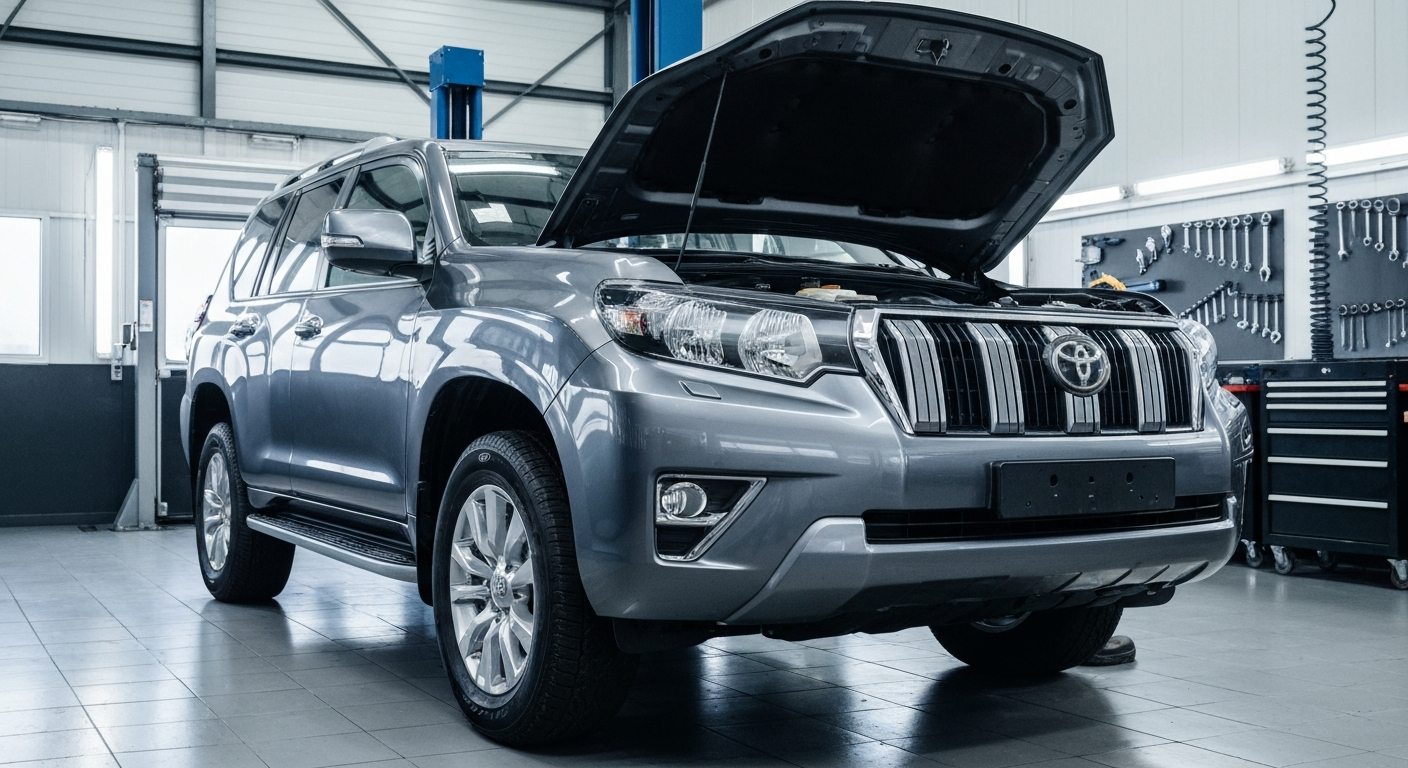
Keeping a vehicle properly maintained is essential for safe, comfortable and dependable driving. BrakeTech helps motorists maintain their vehicles through professional automotive servicing and repairs. For drivers preparing for RWC Melbourne understanding the importance of regular inspections can help identify potential safety issues before they become more serious.
Why Regular Vehicle Maintenance Is Important
Every vehicle contains several mechanical and electrical systems that work together during everyday driving. The engine provides power, the transmission transfers that power, while the braking, steering and suspension systems help the driver control the vehicle.
Over time, normal driving causes components to experience wear. Regular servicing allows technicians to examine important parts and identify signs of deterioration. This can include checking fluids, filters, belts, hoses, tyres, battery condition and other components that contribute to reliable vehicle operation.
Ignoring routine maintenance may allow small issues to develop into more complicated repairs. For example, a minor fluid leak could become more significant if it remains unnoticed, while worn suspension components may eventually affect tyre wear and vehicle handling.
Understanding Brake Maintenance
The braking system is one of the most important safety systems in any vehicle. Brake pads, rotors, callipers, brake fluid and other components need to work together correctly whenever the vehicle slows or stops.
Drivers should pay attention to warning signs such as unusual squealing, grinding sounds, vibration through the steering wheel or a brake pedal that feels different from normal. These symptoms can indicate that the braking system requires professional inspection.
Regular brake checks can also help identify wear before it affects other components. Replacing worn parts at the appropriate time may help maintain consistent braking performance and prevent unnecessary additional damage.
The Role of Suspension and Steering
A vehicle's suspension system helps maintain tyre contact with the road while also supporting ride comfort and handling. Components such as shock absorbers, springs, bushes and control arms can gradually wear due to road conditions and normal use.
Steering components are equally important because they influence the driver's ability to control the vehicle. Unusual steering movement, vibrations, knocking sounds or excessive play should be investigated rather than ignored.
Uneven roads, potholes and kerbs can accelerate wear to suspension and steering components. Regular inspections can help determine whether a problem is caused by normal ageing, impact damage or another mechanical issue.
When Should Drivers Arrange a Brake Inspection?
There is no single maintenance interval that suits every vehicle because driving habits and vehicle types vary. Cars that frequently travel through heavy traffic may experience different levels of wear compared with vehicles mainly driven on open roads.
A professional inspection is particularly worthwhile when a driver notices a change in braking response. Strange noises, reduced braking performance or increased pedal travel should be checked promptly.
A brake service can involve inspecting relevant components and identifying whether cleaning, adjustment, replacement or further diagnosis is required. The exact work depends on the vehicle and the condition of its braking system.
Looking After Older Vehicles
Older vehicles can continue to provide dependable transportation when their maintenance needs are properly managed. Age alone does not determine a vehicle's condition. Service history, driving conditions and previous repairs all play a role.
Owners of older cars should monitor engine performance, cooling systems, transmission behaviour, electrical components and suspension condition. Addressing smaller issues early can sometimes help prevent more extensive repairs later.
Keeping service records is also useful. A clear history allows technicians to understand previous maintenance and gives vehicle owners a better overview of recurring issues or upcoming servicing requirements.
Preparing for Roadworthy Requirements
Drivers who need a roadworthy inspection should make sure their vehicle receives appropriate maintenance before the assessment. Basic areas such as tyres, lights, brakes, seatbelts, steering and suspension should be in suitable condition.
A roadworthy inspection focuses on safety and minimum legal requirements, while regular servicing has a broader purpose. Routine maintenance helps monitor the overall condition of the vehicle and supports reliable day-to-day operation.
Drivers should also avoid waiting until an inspection is due before addressing obvious problems. If a warning light appears or the vehicle develops unusual noises, vibrations or handling changes, professional diagnosis can help determine the cause.
Choosing Professional Automotive Support
Vehicle maintenance is most effective when it is approached as an ongoing responsibility rather than an occasional emergency repair. Regular inspections, appropriate servicing and attention to warning signs can help motorists understand their vehicle's condition.
For motorists searching for auto parts Oakleigh choosing a reputable automotive workshop can also provide access to suitable components and professional advice when repairs or replacements are required. Combining quality parts with correct installation and regular maintenance can support dependable vehicle performance for everyday driving.

 English
 French
 Spanish
 Portuguese
 Deutsch
 Turkish
 Dutch
Dutch
 Italiano
 Russian
 Romaian
 Portuguese (Brazil)
 Greek
Greek
