
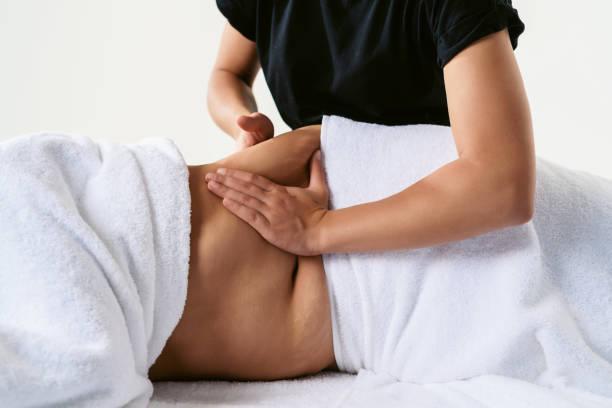
Manual lymphatic drainage sounds clinical, but the concept behind it is surprisingly simple. It is a gentle, rhythmic form of massage designed to help your body move lymph fluid—the clear fluid that carries waste away from tissues—toward areas where it can be filtered and eliminated. Lymphatic Massage in Riyadh For beginners, understanding what it is, how it feels, and what it can realistically do makes the experience far less intimidating. This guide covers everything you need to know.
What Manual Lymphatic Drainage Actually Is
Manual lymphatic drainage, often shortened to MLD, is a specialized massage technique that uses light, rhythmic strokes to encourage lymph movement.
Unlike deep tissue massage, it applies very gentle pressure. The goal is to stimulate vessels just beneath the skin, not to knead muscle.
A Brief History of the Technique
MLD was developed in the 1930s by Danish physiotherapist Emil Vodder and his wife Estrid.
It was originally used to treat chronic swelling and has since expanded into cosmetic, wellness, and post-surgical applications.
Understanding the Lymphatic System
The lymphatic system is a network of vessels, nodes, and organs that remove excess fluid and waste from tissues.
It also transports immune cells and plays a central role in the body's defense against illness.
Why the Lymphatic System Needs Help
Unlike blood, lymph has no central pump. It relies on muscle contractions, breathing, and vessel contractions to circulate.
When this system slows—due to inactivity, surgery, or illness—fluid can accumulate, causing swelling and fatigue.
How MLD Encourages Drainage
The technique uses light, rhythmic strokes directed toward drainage nodes in the neck, armpits, and groin.
These strokes encourage fluid movement without compressing the delicate vessels beneath the skin.
Why Gentleness Is Essential
Lymphatic vessels sit close to the skin's surface and are easily compressed. Deep pressure can collapse them rather than stimulate flow.
Gentle technique ensures vessels remain open and fluid moves effectively.
What a Beginner Session Feels Like
Most patients describe the experience as soothing and gentle. There is no deep pressure or discomfort.
Some feel drowsy afterward as the nervous system settles.
What MLD Can Help With
MLD may reduce puffiness, support post-surgical recovery, ease bloating, and promote relaxation.
It also supports general wellness and circulation.
What MLD Cannot Do
It does not replace medical treatment for lymphedema, infections, or other conditions.
It also does not perform detoxification—the liver and kidneys handle that.
Who Benefits Most From Treatment
Patients with puffiness, sluggish circulation, post-surgical swelling, or fatigue may benefit.
Consultation determines suitability based on your health history.
Who Should Approach With Caution
Active infections, blood clots, heart conditions, and certain diagnoses may require medical clearance.
Always disclose your full health history.
Preparing for Your First Session
Hydrate well before your appointment. Avoid heavy meals immediately beforehand.
Wear comfortable clothing. Some practitioners work directly on the skin; others work through light fabric.
Aftercare and Supporting Results
Hydration is essential after MLD. Water supports the flushing of released waste.
Gentle movement, deep breathing, and compression garments (if advised) support ongoing drainage.
How Often to Schedule Sessions
Frequency varies by goal. Many benefit from weekly or biweekly sessions.
Maintenance sessions can be spaced further apart once results stabilize.
For those seeking expert guidance and customized aesthetic care, you can book an appointment consultation at the Enfield Royal Riyadh.
FAQs
What is manual lymphatic drainage?
A gentle massage technique that encourages lymph fluid movement toward drainage points.
How does it feel?
Most describe it as soothing, with very light pressure and no discomfort.
How often should I get MLD?
Frequency varies by goal; many benefit from weekly or biweekly sessions.
Who should avoid MLD?
Those with active infections, blood clots, or certain heart conditions.
What should I do after a session?
Hydrate well, move gently, and follow aftercare guidance.
Final Thoughts
Manual lymphatic drainage is a gentle, accessible technique that supports the body's natural drainage system. It reduces puffiness, supports recovery, and promotes relaxation. It suits many patients when properly assessed and customized. For beginners seeking a safe introduction to lymphatic care, MLD offers a sensible starting point. Understanding the basics helps you approach treatment with confidence.

 English
 French
 Spanish
 Portuguese
 Deutsch
 Turkish
 Dutch
Dutch
 Italiano
 Russian
 Romaian
 Portuguese (Brazil)
 Greek
Greek
