
How to Protect Your Home from Ants, Cockroaches and Rodents
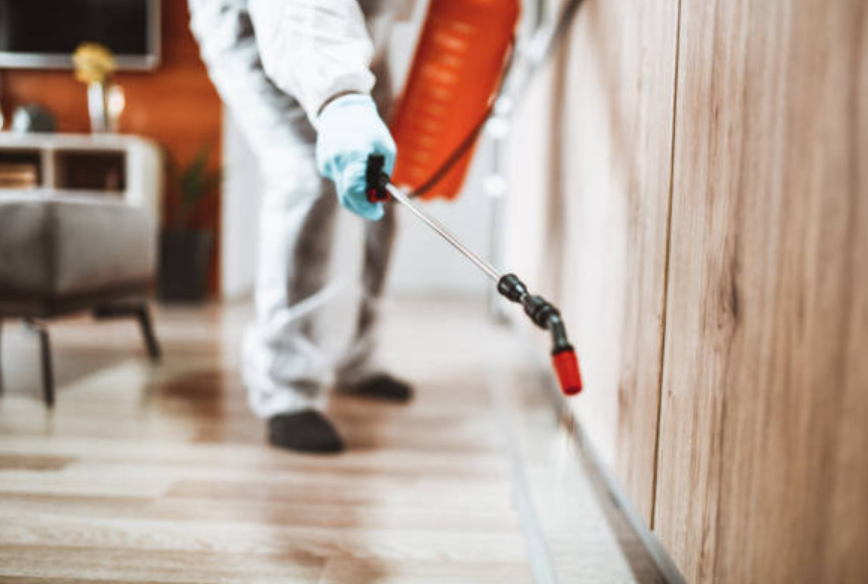
Keeping a home clean and well maintained can help reduce the risk of unwanted pests, but even well cared for properties can experience infestations. Ants, cockroaches and rodents are attracted to homes for different reasons, including food, water, warmth and shelter. Perth's changing weather conditions can also influence pest activity around residential properties. Taking preventative measures and responding to early warning signs can make it easier to protect your home. When activity becomes persistent or difficult to manage, professional pest control Perth services can help identify the source of the problem and recommend appropriate treatment options.
Why Ants, Cockroaches and Rodents Enter Homes
Pests generally enter homes when they find suitable conditions for survival. Food crumbs, overflowing bins, leaking taps, pet food and uncovered storage can all create attractive opportunities. Gaps around doors, windows, pipes and roofing can also provide easy access.
Some pests may enter from gardens, sheds, garages and other outdoor areas before moving further inside. Rodents may seek shelter during colder periods, while cockroaches can become more active when temperatures rise. Ants often follow established trails towards food and water sources.
Understanding why pests are entering your home is an important part of prevention. Simply removing the insects or rodents that are visible may not solve the underlying issue if access points and attractants remain.
Seal Common Entry Points Around the Property
Small gaps can provide surprisingly easy access for household pests. Ants can move through tiny cracks, while mice and rats can squeeze through openings that appear too small to be significant.
Inspect areas around doors, windows, vents, pipes and utility connections. Check for damaged fly screens, gaps beneath doors and cracks around walls. Garage doors should also close properly without leaving large spaces along the edges.
Weather damage can create new openings over time, particularly around roofing, external walls and foundations. Regular inspections can help homeowners identify these areas before they become pathways for pests.
Seal suitable gaps using appropriate materials and replace damaged screens or door seals. Larger openings may require professional repairs rather than temporary solutions.
Keep Rodents Away from Food and Shelter
Rodents are opportunistic animals that can take advantage of easily available food and shelter. Food scraps, rubbish, bird seed, pet food and poorly stored pantry items can all provide attractive sources.
Store dry food in sealed containers rather than leaving opened packets in cupboards. Clean up spills quickly and avoid leaving pet food available for long periods. Outdoor bins should have secure lids and should be positioned away from doors and windows where practical.
Reducing clutter is equally important. Boxes, unused materials, garden equipment and piles of stored items can provide places for rodents to hide and nest.
If you notice droppings, gnaw marks, scratching sounds or damaged food packaging, investigate the area promptly. Professional rodent control Perth services can help identify activity, locate likely entry points and develop a suitable approach for managing the problem.
Reduce Outdoor Conditions That Attract Pests
The areas surrounding your home can influence what happens indoors. Overgrown vegetation, fallen leaves, standing water and accumulated garden waste can create shelter and food opportunities for various pests.
Keep grass and plants maintained, particularly around walls and outdoor structures. Trim branches that make contact with the roof where possible. Remove unnecessary piles of timber, leaves and other organic material from areas close to the house.
Water management is also important. Check outdoor taps, hoses, irrigation systems and drainage points for leaks. Moisture can attract pests and contribute to conditions that support insect activity.
Maintaining a tidy outdoor environment does not guarantee a pest-free property, but it can reduce the number of places where pests can hide and reproduce.
Pay Attention to Spider Activity
Spiders can sometimes indicate that other insects are active around your property because many spider species rely on insects as a food source. Webs around windows, eaves, sheds and outdoor lighting can therefore be worth monitoring.
Regularly remove webs from suitable areas and keep outdoor lighting positioned in ways that minimise unnecessary insect attraction near doors and windows. Keeping vegetation away from walls can also reduce sheltered areas where spiders and their prey may gather.
Although spiders are often associated with outdoor areas, some can move indoors through gaps and openings. Sealing entry points and reducing insect activity around the property can help limit their presence. Where spider activity becomes persistent, spider pest control Perth services can provide professional assistance based on the conditions around your home.
Maintain a Cleaner Kitchen Environment
The kitchen is one of the most important areas to manage when preventing household pests. Food residue, grease, crumbs and moisture can attract ants, cockroaches and rodents.
Wipe benches after preparing meals and clean underneath appliances where food particles may accumulate. Pay attention to areas around ovens, refrigerators, dishwashers and cupboards. Empty rubbish regularly and clean bins when necessary.
Do not leave dirty dishes sitting for extended periods, particularly overnight. Keep food securely covered and store pantry products in sealed containers.
Kitchen plumbing should also be checked for leaks. Moisture beneath sinks can create an attractive environment for pests, especially when combined with food residue and limited ventilation.
Small daily habits can make a meaningful difference when they are followed consistently.
Recognise the Early Signs of Cockroach Activity
Cockroaches can remain hidden for long periods, so seeing one insect may not always represent the full extent of activity. They tend to favour dark, warm and protected areas such as cupboards, cracks, appliances and plumbing spaces.
Signs can include droppings, unpleasant odours, shed skins, egg cases and activity during the evening or overnight. Finding these signs around the kitchen, bathroom, laundry or storage areas may indicate that further investigation is needed.
Avoid relying solely on household sprays when activity continues. These products may affect visible insects without addressing hidden harbourage areas or entry points.
Keeping food stored properly, reducing moisture and maintaining cleanliness can support prevention. For ongoing infestations, cockroach control Perth services can help assess where cockroaches are hiding and determine appropriate treatment strategies.
Make Ant Trails Less Attractive
Ants often establish visible trails between their nest and a food or water source. Following the trail can help identify what is attracting them into the home.
Clean food spills promptly and wipe surfaces where sweet or greasy residues may remain. Keep fruit, biscuits, cereals and other foods in sealed containers. Pet food should also be stored securely.
Inspect windows, doors, wall cracks and areas around plumbing for potential access points. Ants may use very small openings to enter a building.
It is also worth checking outdoor areas near the affected room. Ant colonies may be located beneath paving, garden materials, soil, mulch or other sheltered locations close to the property.
If ants continue returning despite improved hygiene and sealing measures, professional assessment can help determine the likely source. Ant control Perth services can assist with identifying activity and addressing conditions that allow ants to keep returning.
Store Household Items Carefully
Storage areas can easily become overlooked when homeowners are focused on kitchens and living spaces. Garages, sheds, laundries and spare rooms can provide excellent hiding places for pests when items are left undisturbed for long periods.
Use sealed storage containers where practical instead of relying entirely on cardboard boxes. Keep stored items raised from the floor where possible, especially in garages and sheds.
Avoid creating large piles of unused materials. Regularly sort through stored belongings and remove items that are no longer needed.
Pay particular attention to corners, dark spaces and areas behind large objects. Early signs of droppings, webs, insect remains or damaged materials should be investigated rather than ignored.
Manage Rubbish and Recycling Properly
Household waste can provide an ongoing source of food for pests. Food scraps and packaging may attract ants, cockroaches, rodents and other unwanted visitors.
Use bins with secure lids and avoid allowing rubbish to accumulate indoors. Rinse suitable recyclable containers before placing them in recycling bins, particularly when they have contained sweet drinks or food products.
Keep outdoor bins clean and position them away from direct contact with the home where practical. If rubbish is stored near external doors or windows, pests may have an easier route towards the interior.
Cleaning bin areas regularly can also help reduce lingering smells and food residue that may attract insects and rodents.
Reduce Moisture Around Your Home
Water is an essential resource for many pests. Leaking pipes, blocked gutters, poor drainage and condensation can create damp conditions that encourage pest activity.
Check bathrooms, laundries, kitchens and outdoor areas for signs of persistent moisture. Repair leaking taps and pipes promptly. Make sure gutters and downpipes are functioning properly and that water is directed away from the building where possible.
Good ventilation is particularly useful in areas that naturally experience humidity. Bathrooms should have adequate airflow, while wet areas should be allowed to dry properly after use.
Reducing unnecessary moisture can support broader pest prevention and also help protect the condition of the property.
Inspect Your Home Regularly
Routine inspections can help identify small problems before they develop into larger infestations. Homeowners do not need to inspect every area daily, but regular checks can be useful.
Look around kitchens, bathrooms, garages, roof spaces, storage areas and external walls. Check for droppings, insect activity, damaged food packaging, unusual smells, nests, webs and signs of gnawing.
Pay attention to changes in pest activity. A sudden increase in insects around one particular area may indicate a nearby food, moisture or shelter source.
Properties with gardens, older structures or extensive storage areas may require particular attention because they can contain more potential pest hiding places.
Take Action When Problems Persist
Preventative measures are important, but they cannot always stop an established infestation. If pests continue appearing despite improvements to cleanliness, storage and property maintenance, there may be hidden harbourage areas or access points that need further investigation.
Repeated sightings should not automatically be treated as isolated incidents. Ant trails, recurring cockroach activity or repeated signs of rodents may indicate an ongoing issue.
Professional pest management can help identify the conditions supporting the infestation and determine suitable treatment options. A thorough approach should consider both the immediate pest activity and the factors that may allow it to return.
Homeowners should also follow any treatment instructions provided by pest control professionals and maintain recommended preventative measures after treatment.
Create a Long-Term Pest Prevention Routine
Protecting a home from ants, cockroaches and rodents is easier when prevention becomes part of normal property maintenance. Rather than waiting until an infestation becomes obvious, homeowners can regularly check entry points, manage food storage, control moisture and maintain outdoor areas.
A simple routine can include cleaning kitchen surfaces, checking bins, inspecting storage spaces, trimming vegetation and looking for gaps around the building. These actions may take only a small amount of time but can help reduce opportunities for pests.
It is also useful to keep track of recurring pest problems. If activity repeatedly appears in the same room or location, this information can help identify patterns and guide further investigation.
Protect Your Home with Professional Support
A clean and well maintained home can still experience pest activity, particularly when environmental conditions provide food, water or shelter nearby. Ants, cockroaches and rodents can enter through small openings and remain hidden in areas that are difficult to inspect during everyday cleaning.
Early action can make pest problems easier to manage. Homeowners can reduce attractants, seal entry points, control moisture and maintain gardens and storage areas as part of their regular property care. When signs of an infestation persist, professional assessment can help identify the source and determine appropriate treatment options.
Eco Safe Pest Control Perth provides professional pest management solutions for residential properties and can assist homeowners dealing with common household pests. If you need reliable pest control near Perth, contact Eco Safe Pest Control Perth on (03) 9357 7780 to discuss your pest concerns and arrange suitable assistance for your property.

 English
 Arabic
 French
 Spanish
 Portuguese
 Deutsch
 Turkish
 Italiano
 Russian
 Romaian
 Portuguese (Brazil)
 Greek
Greek
