
California Tax Filing Mistakes Business Owners Should Avoid
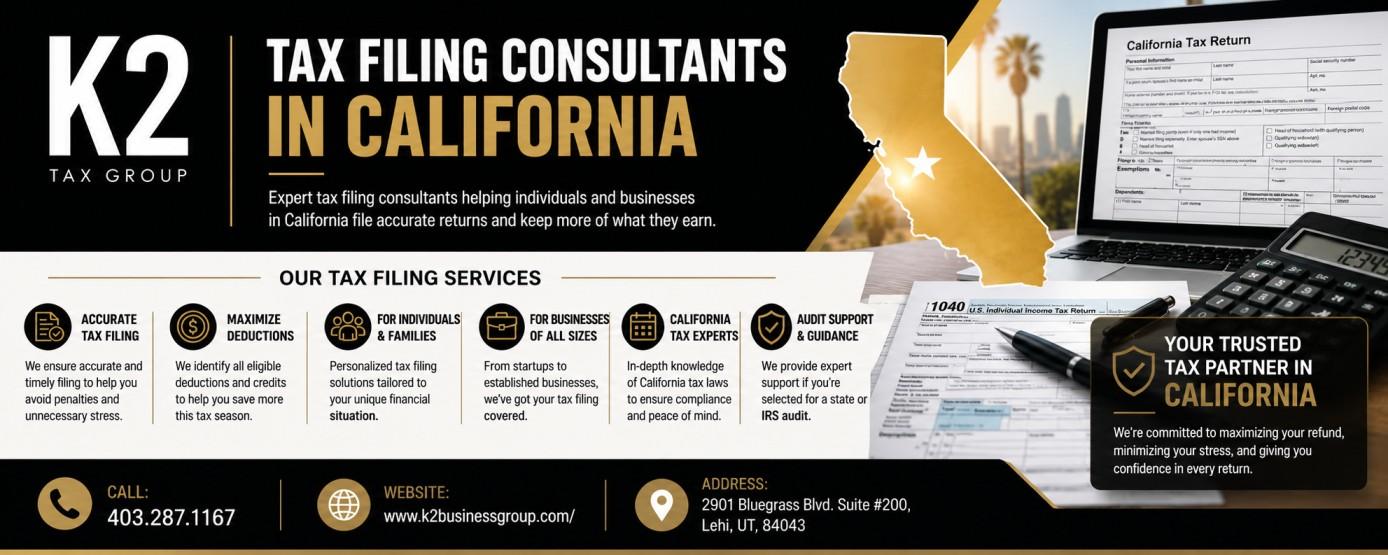
California business owners face state specific filing requirements that can create costly problems when handled incorrectly. Working with experienced tax filing consultants california can help business owners understand filing obligations, maintain accurate records, and avoid common errors. California requirements can differ based on business structure, taxable activity, and filing frequency, so business owners should review their obligations before submitting returns.
Filing the Wrong Tax Forms
One common mistake is using a tax form that does not match the business structure. California corporations, S corporations, partnerships, and LLCs can have different filing requirements. The Franchise Tax Board provides separate forms, including Form 100 for corporations, Form 100S for S corporations, Form 565 for partnerships, and Form 568 for LLCs.
Business owners should confirm how their entity is classified for federal and California purposes before preparing the return. A change in ownership, entity election, or tax classification can also affect which forms are required.
Missing California Filing Deadlines
Another frequent error involves assuming that a federal deadline automatically applies to California. California has its own business filing calendar, and deadlines vary according to entity type and tax year. For example, the FTB states that Form 100S generally has an original due date on the 15th day of the third month after the taxable year ends.
An extension can provide additional time to file, but business owners should not confuse an extension to file with an extension to pay. California states that taxes generally remain due by the original payment deadline, even when additional filing time is available.
Reporting Incorrect Income or Expenses
Errors in revenue and expense reporting can affect both federal and California tax calculations. Business owners should reconcile accounting records with bank statements, payment processors, invoices, payroll records, and other supporting documents before filing.
California may also treat certain federal deductions or tax provisions differently. Assuming that every federal tax treatment automatically applies to California can result in an inaccurate state return.
Ignoring Sales and Use Tax Requirements
Businesses that sell taxable goods or provide taxable services in applicable circumstances need to understand their California sales and use tax responsibilities. Filing requirements can depend on the business account and assigned filing frequency. The California Department of Tax and Fee Administration states that businesses must file by their assigned due date, even when there are no sales to report.
Recordkeeping also matters. CDTFA requires businesses with applicable permits or licenses to maintain records that support reported sales and tax payments. Records generally must be retained for at least four years, with longer retention possible during an audit.
Overlooking Estimated Tax Payments
Waiting until the tax return is prepared to consider the full tax liability can create cash flow problems and potential penalties. California corporations generally make estimated tax payments during the taxable year according to specific installment rules. For 2026, the FTB specifies installment percentages and payment dates for corporations.
A regular review of year to date income, deductions, credits, and prior tax liabilities can help businesses estimate payments more accurately. K2 Business Group can be included in this type of tax planning process when reviewing California filing requirements and supporting documentation.
Failing to Correct Errors
Discovering an error after filing does not mean the original mistake should be ignored. California provides procedures for filing amended business returns, with the appropriate form depending on the entity type. For example, corporations generally use Form 100X, while qualifying partnerships and LLCs use their applicable amended return procedures.
Ignoring a known filing error can create additional complications if the issue affects tax owed, reported income, credits, or information provided to owners.
Keeping Incomplete Tax Records
Poor documentation can make it difficult to support deductions and other information reported on a return. Businesses should maintain invoices, receipts, payroll records, bank statements, tax documents, sales records, and other relevant supporting materials.
Accurate records also make it easier to identify discrepancies before filing rather than after receiving a notice from a tax authority.
Avoiding Costly California Tax Filing Errors
California business tax filing requires attention to entity classification, deadlines, payments, income, deductions, sales tax, and documentation. Reviewing these areas before filing can reduce avoidable errors and help maintain compliance. Experienced tax filing consultants california can help business owners review their returns against applicable federal and California requirements, identify inconsistencies, and address filing issues before they become larger problems.

 Arabic
 French
 Spanish
 Portuguese
 Deutsch
 Turkish
 Dutch
 Italiano
 Russian
 Romaian
 Portuguese (Brazil)
 Greek
