
How Vertical Farming Is Redefining the Future of Food Production
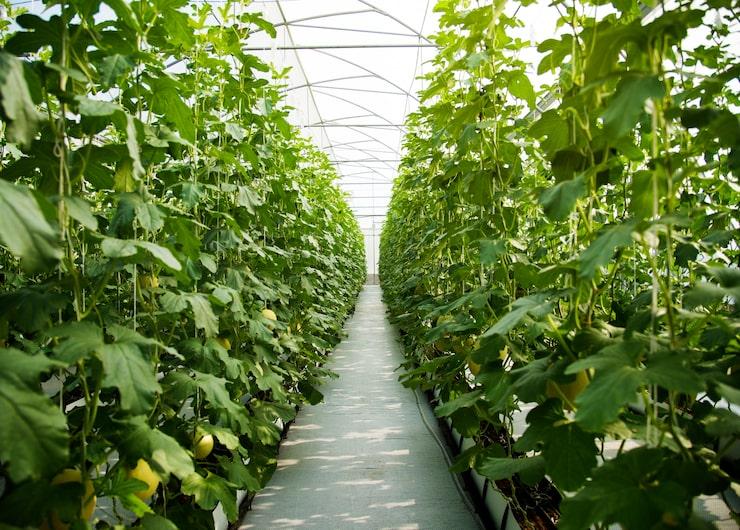
As urban populations continue to expand and agricultural land becomes increasingly limited, vertical farming is emerging as one of the most promising solutions for sustainable food production. By cultivating crops in vertically stacked layers within controlled indoor environments, vertical farming enables year-round cultivation while reducing dependence on traditional farmland and unpredictable weather conditions. Advances in automation, artificial intelligence, hydroponics, aeroponics, and LED lighting are accelerating the adoption of this innovative farming approach across the globe.
According to a Vyansa Intelligence report, the Vertical Farming Market was valued at USD 8.52 Billion in 2025 and is projected to reach USD 50.1 Billion by 2032, registering a remarkable CAGR of 28.8% during the 2026–2032 forecast period. Increasing investment in controlled environment agriculture, rising food security concerns, and continuous technological innovation continue to drive rapid industry expansion.
Urban Agriculture Is Creating New Food Production Opportunities
Rapid urbanization is increasing the distance between food production and consumption, creating challenges related to transportation, food waste, and supply chain efficiency. Vertical farming enables fresh produce to be grown close to urban consumers, reducing logistics costs while improving product freshness.
According to this vertical farming industry report, indoor farming facilities are increasingly being established near metropolitan areas to supply leafy greens, herbs, strawberries, tomatoes, and other high-value crops throughout the year. Localized production also helps reduce dependence on long-distance transportation and seasonal imports.
As cities continue expanding, urban farming solutions are expected to become increasingly important for strengthening food security. Resources such as Vertical Farming Association provide insights into controlled environment agriculture, industry developments, and innovative farming approaches.
Controlled Environment Agriculture Is Improving Crop Quality
Unlike conventional farming, vertical farming allows growers to precisely control environmental conditions such as temperature, humidity, lighting, carbon dioxide levels, and nutrient delivery. This controlled environment minimizes external risks while optimizing plant growth.
Industry analysis indicates that controlled environment agriculture improves crop consistency, reduces disease pressure, and enables predictable production regardless of seasonal weather conditions. Farmers can also cultivate multiple crop cycles annually, significantly increasing productivity compared to traditional field agriculture.
The ability to maintain optimal growing conditions continues driving investment in indoor farming technologies.
Hydroponics and Aeroponics Are Maximizing Resource Efficiency
Modern vertical farming relies heavily on soilless cultivation systems that deliver nutrients directly to plant roots. Hydroponic, aeroponic, and aquaponic systems significantly reduce water consumption while improving nutrient absorption and plant growth.
Detailed market insights suggest that hydroponic systems can dramatically reduce water usage compared to conventional agriculture while maintaining high crop yields. Aeroponic technologies further improve efficiency by delivering nutrient-rich mist directly to plant roots, promoting faster growth with minimal resource consumption.
These advanced cultivation methods continue supporting more sustainable agricultural production.
Artificial Intelligence Is Optimizing Farm Operations
Artificial intelligence and automation are becoming integral components of modern vertical farming facilities. AI-powered platforms continuously analyze environmental conditions, crop health, irrigation schedules, lighting intensity, and nutrient delivery to optimize plant growth.
The latest market analysis highlights that machine learning algorithms help improve yield prediction, reduce energy consumption, and automate repetitive farming tasks. Smart sensors and robotics also minimize manual intervention while ensuring consistent crop quality throughout the production cycle.
Digital technologies continue enhancing operational efficiency across indoor farming systems.
Sustainability Is Strengthening Industry Adoption
Environmental sustainability remains one of the strongest advantages of vertical farming. Controlled indoor production significantly reduces water consumption, pesticide usage, and land requirements while minimizing agricultural runoff and environmental degradation.
Research findings indicate that vertical farming supports sustainable food production by conserving natural resources and reducing greenhouse gas emissions associated with long-distance transportation. Indoor cultivation also protects crops from extreme weather events, contributing to greater food system resilience.
As sustainability becomes a global priority, vertical farming is expected to play an increasingly important role in future agriculture.
Investment and Innovation Continue to Accelerate Commercial Expansion
Growing investor interest in agricultural technology is encouraging rapid commercialization of vertical farming solutions. Companies continue developing advanced LED lighting systems, climate control technologies, robotics, and intelligent farm management platforms that improve productivity while lowering operating costs.
The comprehensive report suggests that continuous research and technological advancements are expanding the commercial viability of indoor farming across both developed and emerging economies. Increasing collaboration between technology providers, agricultural companies, and research institutions is further accelerating industry innovation.
Ongoing investment continues strengthening the long-term outlook for controlled environment agriculture.
Future Perspective
The vertical farming industry is expected to experience exceptional expansion as urban agriculture, smart farming technologies, and sustainable food production become increasingly important worldwide. Continued innovation in automation, artificial intelligence, renewable energy integration, and precision cultivation will further improve operational efficiency while expanding commercial adoption.
The industry outlook indicates that vertical farming will play a significant role in strengthening global food security by enabling year-round production, reducing resource consumption, and supporting resilient agricultural systems. Continued advancements in controlled environment agriculture and digital farming technologies are expected to create substantial opportunities for technology developers, growers, and investors over the coming decade.

 English
 Arabic
 French
 Spanish
 Portuguese
 Deutsch
 Dutch
Dutch
 Italiano
 Russian
 Romaian
 Portuguese (Brazil)
 Greek
Greek
