
Important Vehicle Checks Every Driver Should Know
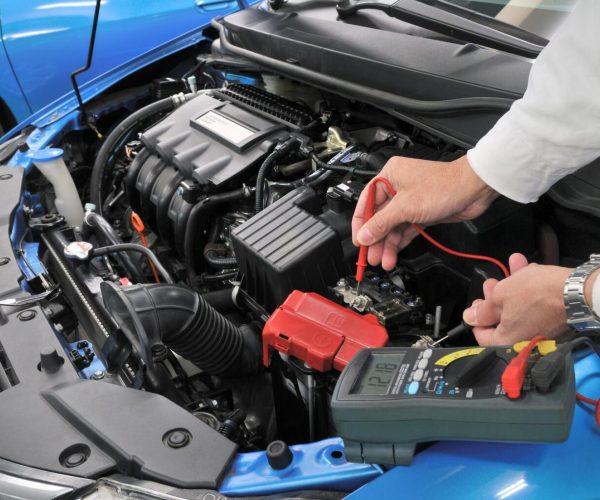
Regular vehicle checks can help drivers identify maintenance needs before they develop into unexpected problems. A vehicle is made up of many systems that work together, and each component requires appropriate care over time. Singh’s Tyre & Auto Centre provides professional automotive servicing and repair solutions for a wide range of vehicles. Working with a reliable mechanic Lyndhurst can help vehicle owners stay informed about their car's condition and arrange suitable maintenance when required.
Why Regular Vehicle Checks Are Important
Daily driving naturally places pressure on tyres, brakes, suspension, steering, engine components and electrical systems. Some wear is expected, but delaying maintenance can allow small concerns to become more complicated.
Regular inspections provide an opportunity to monitor the condition of important components. They can also help vehicle owners follow manufacturer-recommended service intervals and address maintenance requirements at suitable times.
Check Your Tyres
Tyres are among the most important safety components on any vehicle because they provide contact with the road. Incorrect pressure, worn tread and visible damage can affect handling and braking.
Drivers should regularly inspect their tyres for cracks, cuts, bulges and uneven tread wear. Tyre pressure should also be maintained according to the vehicle manufacturer's recommendations.
Uneven wear may sometimes indicate wheel alignment or suspension concerns. If this occurs, professional assessment can help identify the underlying cause.
Maintain the Braking System
The braking system requires regular attention because brake components gradually wear through normal use. Brake pads, discs, fluid and related components should be checked according to the vehicle's condition.
Drivers should take notice of unusual sounds, vibration or changes in brake pedal feel. Squealing or grinding noises can also indicate that brake components require inspection.
Addressing brake concerns promptly can help maintain reliable stopping performance and reduce the risk of additional component wear.
Monitor Engine Performance
A vehicle's engine operates under demanding conditions and requires consistent maintenance. Engine oil and filters should be changed according to the manufacturer's recommended intervals.
Drivers should also pay attention to changes in engine behaviour. Unusual noises, reduced acceleration, excessive smoke or increased fuel consumption may indicate a problem that requires professional assessment.
Regular servicing can help technicians monitor engine components and identify maintenance requirements before they become more serious.
Look After Steering and Suspension
Steering and suspension systems contribute to vehicle control, stability and ride comfort. Worn components can affect handling and may also contribute to uneven tyre wear.
Warning signs can include knocking sounds, excessive bouncing, steering changes or the vehicle pulling to one side. These symptoms should be professionally inspected to determine whether repairs are necessary.
Keep Fluids at Suitable Levels
Vehicle fluids perform important functions throughout different systems. Engine oil provides lubrication, coolant helps control temperature and brake fluid supports braking operation.
Fluid levels should be checked according to the vehicle manufacturer's instructions. Any unexplained loss of fluid or visible leak should be investigated rather than ignored.
Regular fluid maintenance can help support the normal operation of important mechanical systems.
Inspect Lights and Visibility
Good visibility is important in both daytime and night-time driving. Headlights, brake lights, indicators and other exterior lights should be checked regularly to ensure they operate correctly.
Windscreen wipers should also be maintained so they can effectively clear water and dirt. Worn blades may leave streaks across the windscreen and reduce visibility during wet weather.
Keeping mirrors, windows and lights clean can further support clear visibility while driving.
Understanding Roadworthy Requirements
Certain vehicle transactions and circumstances may require a roadworthy inspection. The inspection focuses on important safety-related components and their condition.
A roadworthy certificate Skye service can assist vehicle owners who need professional support with applicable roadworthiness requirements. Before an inspection, it can be useful to check tyres, brakes, lights, steering, suspension, seatbelts and windscreen condition.
If an inspection identifies defects, the required repairs should be addressed before the vehicle is used for the relevant purpose.
Pay Attention to Warning Lights
Dashboard warning lights provide useful information about vehicle systems. Some may indicate routine maintenance requirements, while others can signal a fault that needs prompt attention.
Drivers should avoid ignoring warning lights, particularly when they appear alongside changes in vehicle performance. Professional diagnostic testing can help identify the cause and determine the appropriate course of action.
Prepare for Long-Distance Travel
Vehicles used for longer journeys can benefit from a thorough check before departure. Tyres, fluid levels, brakes, lights, wipers and battery condition are all worth reviewing.
It is also useful to confirm that scheduled servicing is up to date. Addressing known mechanical concerns before a trip can reduce the likelihood of unexpected interruptions.
Keep Service Records Organised
Maintaining service records can help vehicle owners keep track of completed maintenance. Records can include information about servicing, repairs, inspections and replacement components.
A clear history can also provide useful information to technicians during future inspections. It allows them to understand previous work and plan maintenance based on the vehicle's history.
Respond to Problems Early
One of the most effective ways to manage vehicle maintenance is to respond when early warning signs appear. Unusual noises, vibrations, leaks, warning lights or changes in handling should not be overlooked.
Early professional assessment may help identify a problem before it affects additional components. It can also help owners understand the repair requirements and plan maintenance more effectively.
Conclusion
Consistent vehicle checks can support safety, reliability and long-term vehicle performance. Monitoring tyres, brakes, fluids, engine condition, suspension, steering and electrical systems gives drivers a better understanding of their vehicle's maintenance needs. For professional servicing, inspections and repairs, a trusted mechanic Cranbourne can provide practical automotive support to help keep vehicles reliable and ready for everyday driving.

 English
 Arabic
 French
 Portuguese
 Deutsch
 Turkish
 Dutch
Dutch
 Italiano
 Russian
 Romaian
 Portuguese (Brazil)
 Greek
Greek
