
How Dispensaries Can Use Retail Data More Effectively
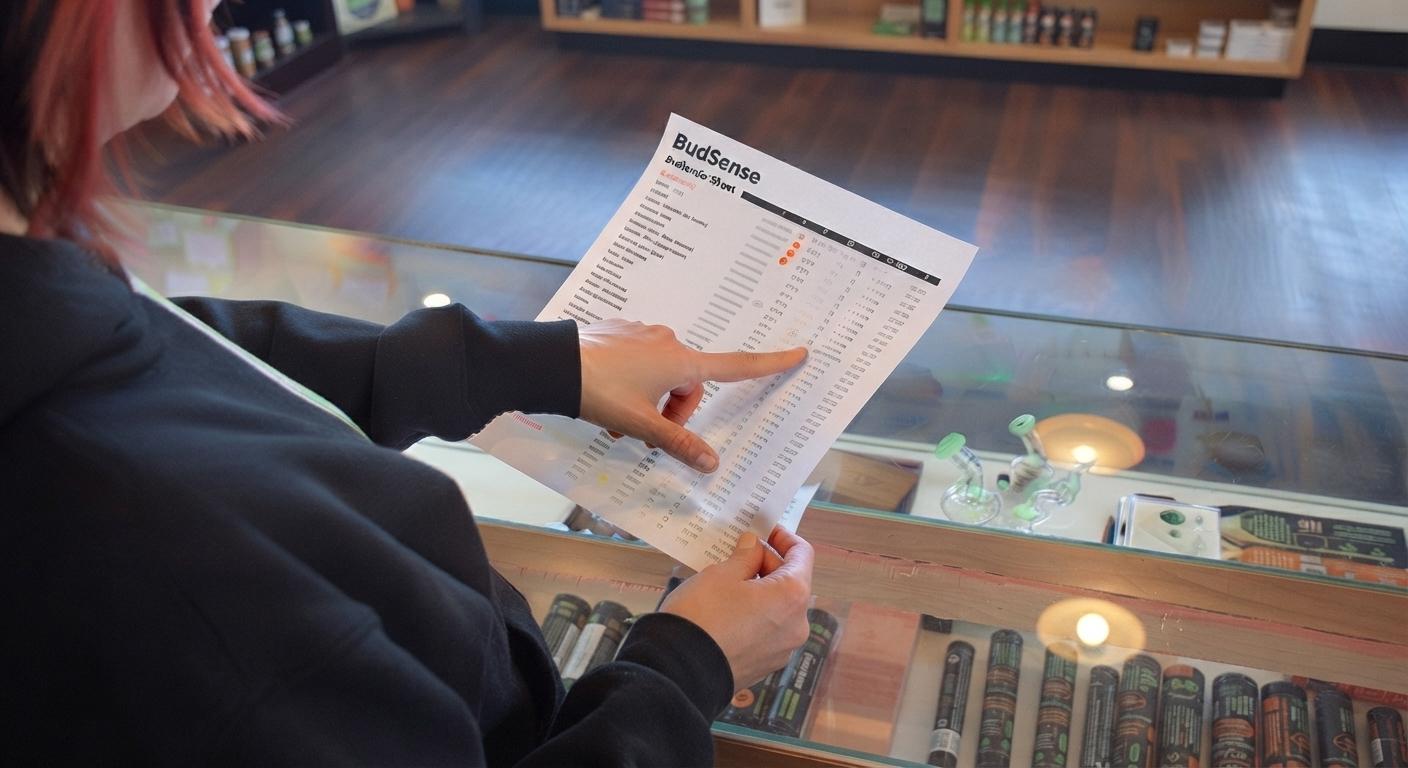
Cannabis dispensaries generate a significant amount of information through their everyday operations. Sales, inventory, product performance, pricing, and customer purchasing patterns can all provide useful insights for retailers. Using cannabis retail reports can help dispensaries organize this information and turn it into data that is easier to review.
Retail data can help dispensary teams understand what is happening across their stores without relying entirely on manual observations. When information is presented clearly, managers can spend less time gathering data and more time reviewing trends that may affect daily operations.
Understanding What Retail Data Can Show
Retail data can cover many areas of a dispensary's operations. Sales numbers can show which products are moving consistently, while inventory information can provide insight into what is currently available.
Other information can include product categories, pricing, sales performance, and changes over time. Looking at these details together can provide a broader picture of how a dispensary is performing.
The usefulness of retail data often depends on how easily staff can access and understand it. Organized reports can make large amounts of information easier to review.
Tracking Product Performance
Dispensaries may carry hundreds of products across different categories and brands. Not every product will perform in the same way.
Retail reports can help managers compare product performance and identify which items are selling more frequently. This information can be useful when reviewing product selections or deciding how much attention certain products should receive.
Rather than relying only on assumptions about popular products, retailers can use sales information to understand what is actually happening within their stores.
Monitoring Inventory Trends
Inventory management is another area where retail data can be useful. Products can sell quickly, remain in stock for longer periods, or fluctuate based on customer demand.
Reviewing inventory-related information can help dispensaries understand these patterns. Managers may be able to identify products that frequently sell out or categories that consistently move at a certain rate.
This information can support inventory planning and help retailers make more informed decisions about their product catalogs.
Reviewing Sales Information
Sales data gives dispensaries a way to look at revenue and product activity over specific periods. Managers can review daily, weekly, monthly, or other time-based information depending on the reporting tools available.
Comparing different periods can help retailers understand changes in sales activity. For example, a dispensary may notice that certain categories perform differently during different periods.
The goal is not simply to collect numbers. Useful reporting should make it easier for managers to understand what those numbers mean for their operations.
Comparing Product Categories
Looking at individual products is useful, but category-level data can provide another perspective.
Dispensaries can compare categories such as flower, edibles, concentrates, pre-rolls, or vape products to understand how different parts of their catalog perform.
Category comparisons can help retailers identify areas that may need more attention. They can also provide context when reviewing overall sales performance.
Identifying Changes Over Time
A single report may only show what happened during one period. Looking at data across multiple periods can reveal changes that may not be obvious from a single snapshot.
Retailers can compare sales, product performance, and inventory information over time to see whether certain trends are consistent or temporary.
For example, a product category may show increased activity for several weeks, while another may gradually decline. Having historical data available can make these changes easier to recognize.
Using Data to Support Menu Management
Retail data can also connect with the way products are presented to customers. Dispensaries need to keep product names, prices, availability, and other menu information current.
When reporting and menu management work together, retailers can have a better understanding of both internal retail activity and customer-facing product information.
This can be particularly useful for dispensaries with large catalogs where manually reviewing every product is difficult.
Managing Data Across Multiple Locations
Multi-location dispensaries have even more information to manage. Each store may have different sales numbers, inventory levels, product selections, and customer demand.
Retail reporting tools can help managers compare information across locations. A centralized reporting system can make it easier to review individual stores while also looking at broader business performance.
Location-level data can provide useful context when different stores operate in different markets or have different product requirements.
Making Data Easier for Teams to Review
Large amounts of raw data can be difficult to interpret. A reporting system can organize information into charts, tables, summaries, or other formats that make important details easier to identify.
Different members of a dispensary team may also need different information. Store managers may focus on daily sales and inventory, while business owners may be more interested in broader performance trends.
Providing organized reporting can help each team member focus on the information that is relevant to their role.
Using Reports Alongside Other Retail Tools
Reporting does not have to operate separately from other dispensary technology. Retailers often use point-of-sale systems, inventory platforms, menu software, and other tools to manage different parts of their business.
When systems can share information, retailers may have fewer disconnected data sources to manage. Integrations can also reduce repetitive data entry and help teams access information from a more centralized workflow.
This can become increasingly important as a dispensary grows and its retail operations become more complex.
Choosing the Right Reporting Tools
Not every dispensary needs the same reporting capabilities. Smaller retailers may focus on basic sales and inventory information, while larger businesses may need more detailed reporting across multiple locations.
When comparing reporting tools, dispensaries can consider the types of data available, reporting frequency, customization options, integrations, multi-location support, and how easily reports can be accessed.
A useful reporting platform should make information easier to understand rather than adding another complicated process for staff.
Turning Retail Data Into Useful Insights
Collecting retail data is only the first step. Dispensaries also need to review the information regularly and consider how it relates to their daily operations.
Managers can use reports to identify changes, compare products, review inventory patterns, and monitor performance across locations. These observations can then become part of broader operational planning.
Data should support decision-making rather than replace human judgment. Retail teams can combine reporting information with their knowledge of customers, products, staff, and local market conditions.
Final Thoughts
Retail data can give cannabis dispensaries valuable information about sales, inventory, products, categories, and overall store performance. When this information is organized through useful reporting tools, managers can spend less time gathering data and more time reviewing what it means.
Using cannabis data management software can provide dispensaries with additional ways to organize information and connect reporting with other parts of their retail workflow.
As dispensaries grow, having clear and accessible data can become increasingly important. Whether a retailer operates one location or several, organized reporting can help teams understand their operations and keep track of changes over time.
FAQs
1. What type of data can cannabis dispensaries track?
Dispensaries can track information such as sales, inventory, product performance, pricing, categories, and other retail activity depending on the systems they use.
2. How can retail reports help dispensary managers?
Retail reports can organize large amounts of information and make it easier for managers to review sales, inventory, product performance, and changes over time.
3. Can dispensaries compare data across multiple locations?
Yes. Reporting platforms with multi-location capabilities can allow retailers to review and compare information from different dispensary locations.
4. Why is historical retail data useful?
Historical data can help retailers identify changes and patterns by comparing current performance with information from previous periods.
5. Can reporting tools integrate with other dispensary software?
Some reporting platforms can integrate with systems such as point-of-sale, inventory, and menu management software, helping retailers reduce disconnected data sources and repetitive work.

 English
 Arabic
 French
 Spanish
 Portuguese
 Deutsch
 Turkish
 Dutch
Dutch
 Italiano
 Romaian
 Portuguese (Brazil)
 Greek
Greek
