
Caregivers at Home for Patients With Chronic Health Conditions
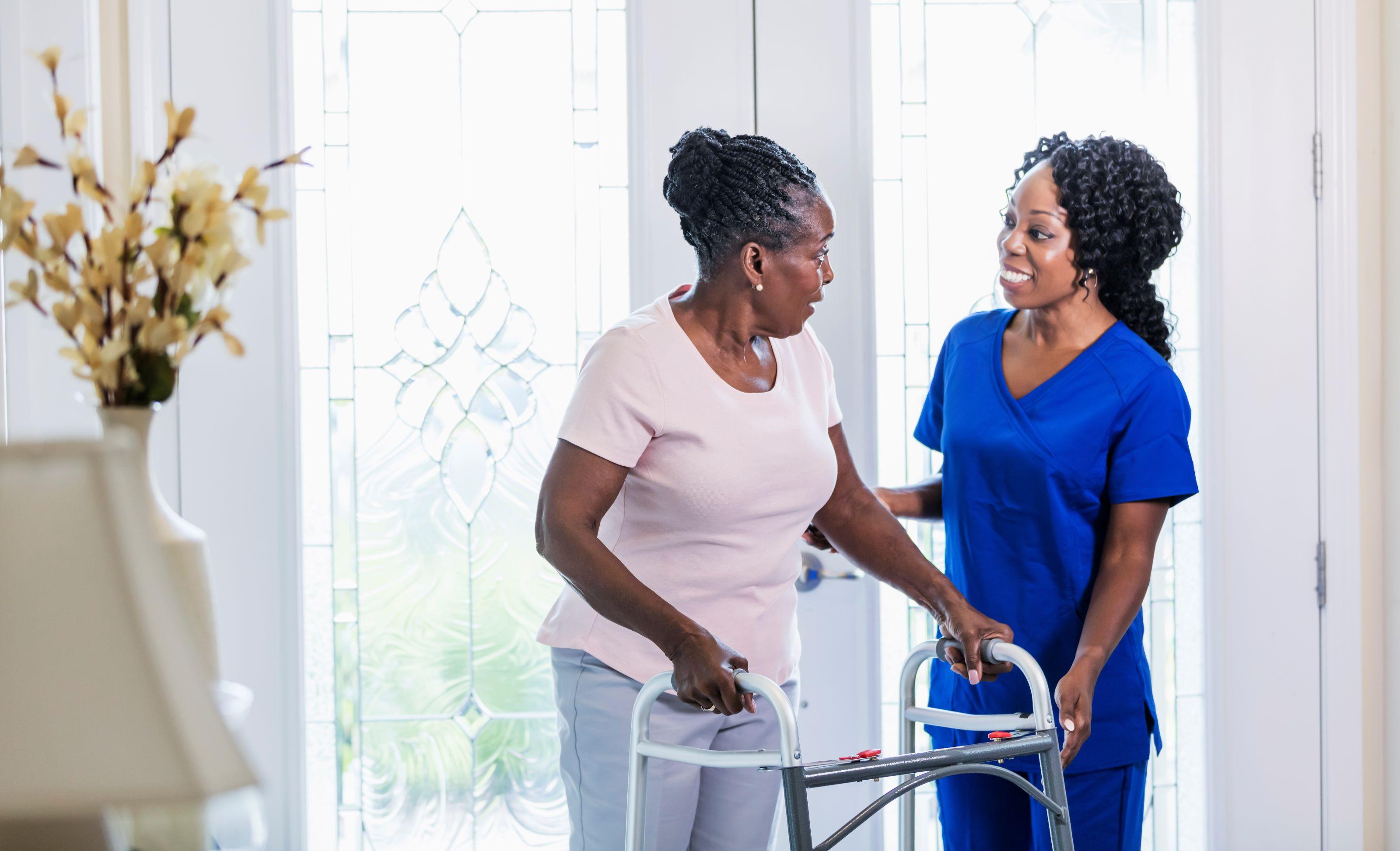
Living with a chronic health condition can make everyday activities more difficult and may require ongoing support with medications, appointments, nutrition, mobility, and personal care. Caregivers at home in Dubai can assist individuals with daily routines while helping them remain comfortable in familiar surroundings. When care needs involve medical concerns, caregivers can work according to guidance from qualified healthcare professionals, including a Doctor at Home, helping families maintain organized support without unnecessarily disrupting the patient's normal routine.
Understanding the Role of Home Caregivers for Chronic Conditions:
Chronic conditions often require consistent management rather than short-term assistance. Conditions such as diabetes, arthritis, cardiovascular disease, respiratory disorders, neurological conditions, and other long-term health problems may affect a person's energy, mobility, independence, or ability to complete daily tasks. Caregivers can provide practical assistance based on the individual's care plan while observing changes that may need professional attention. Their role may include supporting personal hygiene, preparing appropriate meals, providing medication reminders, assisting with mobility, organizing appointments, and communicating relevant observations to family members or healthcare professionals.
Creating a Consistent Daily Healthcare Routine:
A predictable routine can make long-term care easier to organize. Caregivers can help establish regular times for waking, personal hygiene, meals, medication reminders, physical activity, rest, and bedtime. A written schedule can reduce the chance of important tasks being overlooked and help family members understand the individual's daily needs. The routine should remain flexible because symptoms, appointments, energy levels, and healthcare instructions may change. Caregivers should follow professional recommendations and communicate significant changes instead of making independent medical decisions.
Supporting Medication Management:
Many chronic conditions involve multiple medications taken at different times. Keeping track of these medicines can become challenging, particularly when a person has memory difficulties, vision problems, or several prescriptions. Caregivers can provide reminders and help maintain an organized medication schedule based on instructions from the prescribing professional. Useful practices may include:
- Keeping medications in their designated storage areas
- Maintaining an updated medication list
- Recording prescribed medication times
- Checking whether a scheduled dose has been taken
- Keeping medication instructions accessible
- Reporting unexpected symptoms to the appropriate healthcare professional
Caregivers should not change doses, stop prescribed medicines, or add treatments without appropriate professional direction.
Helping With Nutrition and Hydration:
Nutrition and hydration can be important parts of managing many chronic health conditions. Caregivers can prepare meals according to the person's dietary plan and help make food accessible for individuals with mobility limitations. They can encourage appropriate fluid intake when permitted and observe changes in appetite or eating habits. Some patients may have dietary restrictions related to their condition or treatment, so meal planning should follow recommendations from healthcare professionals. Persistent appetite loss, difficulty swallowing, vomiting, or other significant changes should be communicated to the appropriate provider.
Supporting Safe Mobility and Physical Activity:
Some chronic conditions can affect strength, balance, flexibility, or endurance. Caregivers can assist with everyday movement and encourage activities that have been recommended as appropriate for the individual. Depending on the care plan, this may involve short walks, prescribed exercises, stretching, or changes in position. Caregivers can also help keep walking areas clear and ensure prescribed mobility aids are accessible. Activities should never exceed the person's recommended limitations. New pain, severe fatigue, worsening weakness, or sudden mobility changes should be reported for professional assessment.
Monitoring Changes in Health:
Regular observation can help caregivers recognize changes in a person's usual condition. Depending on the individual's care plan, caregivers may assist with recording measurements such as blood pressure, blood glucose, temperature, pulse, or oxygen saturation using appropriate equipment and instructions. They can also observe general changes in appetite, sleep, mobility, mood, and daily functioning. Keeping accurate records may help healthcare professionals understand patterns over time. Caregivers should avoid treating individual readings as a diagnosis and should follow specific instructions about when healthcare providers should be contacted.
Managing Personal Care and Hygiene:
Chronic health conditions can sometimes make bathing, dressing, toileting, grooming, and oral care more difficult. Caregivers can provide assistance while encouraging the individual to complete tasks they can safely manage. Maintaining hygiene can improve comfort and help preserve dignity. Caregivers should respect privacy during personal care and communicate before providing physical assistance. They can also monitor the skin for changes such as persistent redness, irritation, dryness, bruising, or wounds and report concerns when appropriate.
Helping With Appointment and Healthcare Organization:
Long-term healthcare can involve regular consultations, laboratory tests, therapy sessions, and follow-up appointments. Caregivers can help organize schedules and ensure that relevant healthcare information is available when needed. A home-care record may contain:
- Upcoming appointment dates
- Medication information
- Relevant health measurements
- Questions for healthcare providers
- Changes in symptoms
- Dietary instructions
- Mobility or activity recommendations
Good organization can make communication between patients, caregivers, families, and healthcare professionals more efficient.
Providing Support for Diabetes Management:
People living with diabetes may have specific daily routines involving medication, blood glucose monitoring, meals, physical activity, and foot care. When included in the person's care plan, caregivers can remind patients about scheduled activities and help maintain an organized routine. They can also support safe meal preparation and observe for changes in general wellbeing. Any blood glucose monitoring should follow the individual's healthcare instructions. Symptoms such as significant weakness, confusion, unusual sweating, or other concerning changes should receive appropriate attention according to the patient's established medical plan.
Supporting Patients With Respiratory Conditions:
Chronic respiratory conditions may affect activity tolerance and everyday comfort. Caregivers can help maintain a clean and comfortable environment and support routines prescribed by healthcare professionals. They can remind individuals about prescribed treatments without changing the treatment plan themselves. Patients may also need assistance with positioning, mobility, household activities, or rest periods. New or worsening breathing difficulty, chest discomfort, bluish discoloration, or severe symptoms require appropriate urgent medical attention rather than routine caregiver management.
Helping Individuals With Arthritis and Mobility Challenges:
Arthritis and other musculoskeletal conditions can make dressing, bathing, cooking, walking, and household tasks uncomfortable. Caregivers can help reduce unnecessary strain by organizing commonly used items within easy reach and assisting with activities that are difficult. They can encourage appropriate movement according to professional recommendations and provide support during tasks without taking away the person's independence. Comfortable clothing, suitable footwear, accessible furniture, and an organized home environment may also make daily routines easier.
Supporting Emotional Wellbeing:
Long-term health conditions can affect a person's social life, confidence, and ability to participate in activities they previously enjoyed. Caregivers can provide companionship, conversation, and encouragement while respecting the individual's preferences. Simple activities such as reading, listening to music, spending time outdoors when appropriate, or connecting with family members can make daily routines more engaging. Caregivers should communicate significant or persistent changes in behavior, mood, sleep, or social interaction to family members and appropriate healthcare professionals.
Preventing Falls and Household Accidents:
Some chronic conditions can increase the risk of falls because of weakness, balance difficulties, reduced vision, or mobility limitations. Caregivers can help keep the home environment safe by removing clutter, maintaining adequate lighting, and keeping frequently used items accessible. They can provide appropriate assistance during transfers and encourage the safe use of prescribed mobility equipment. Bathroom safety deserves particular attention because wet surfaces can increase slipping risks. Regular safety checks can help identify hazards before they result in an accident.
Coordinating Care With Family Members:
Effective communication can make long-term home care more consistent. Caregivers can share relevant observations with family members and healthcare professionals according to the individual's care arrangements and privacy preferences. Family members can also provide information about changes in routines, upcoming appointments, or new healthcare instructions. A clear communication process helps everyone understand their responsibilities and reduces confusion about daily care tasks.
Recognizing When Professional Support Is Required:
Caregivers can assist with daily routines, but they should not replace medical assessment when new or serious symptoms occur. Sudden chest pain, severe breathing difficulty, loss of consciousness, significant injury, uncontrolled bleeding, sudden confusion, or other serious symptoms require appropriate urgent medical attention. Persistent changes such as worsening weakness, repeated falls, significant appetite changes, or new symptoms should also be discussed with a healthcare professional. Early communication can help ensure that the individual's care plan is reviewed when necessary.
Final Thoughts:
Caring for someone with a chronic health condition requires consistency, patience, organization, and ongoing communication. Caregivers at home in Dubai can support medication routines, personal care, nutrition, hydration, mobility, monitoring, appointments, household safety, and emotional wellbeing while encouraging appropriate independence. By working within professional healthcare instructions and promptly communicating meaningful changes, caregivers can help individuals manage everyday challenges in a familiar home environment while families remain informed and involved in their ongoing care.

 English
 Arabic
 French
 Spanish
 Portuguese
 Deutsch
 Turkish
 Italiano
 Russian
 Romaian
 Portuguese (Brazil)
 Greek
Greek
