
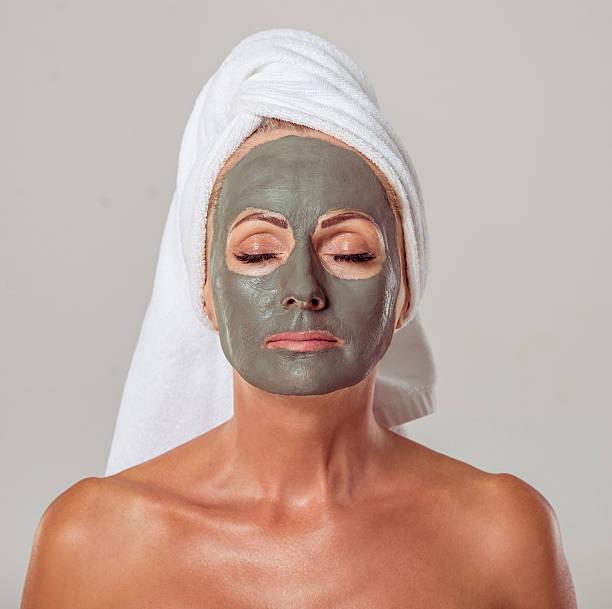
Cold peeling is often described as a gentle exfoliating treatment, but that description undersells what it can actually accomplish. Cold Peeling for Face in Riyadh Different skin concerns respond to different aspects of the treatment—exfoliation targets texture, cell turnover supports tone, and hydration restores radiance. Understanding which concerns cold peeling genuinely improves helps you decide whether it suits your goals. This guide breaks down the conditions it addresses and where its limits lie.
How Cold Peeling Addresses Multiple Concerns
Cold peeling works through controlled chemical exfoliation at lower strengths. It dissolves the bonds holding dead cells together, encouraging gradual renewal.
Because it also supports cell turnover and hydration, a single treatment can improve several concerns simultaneously. This breadth is part of its appeal.
Concern One: Dullness and Lack of Radiance
Dead cell buildup scatters light and creates a flat, grey appearance. This is one of the most common reasons patients seek treatment.
Cold peeling removes this layer, immediately improving light reflection. Brightness is typically the first change patients notice.
Concern Two: Rough and Uneven Texture
Roughness develops from accumulated dead cells and congested pores. Makeup sits unevenly, and skin feels bumpy to the touch.
Cold peeling smooths the surface gradually. Texture becomes noticeably more even across a series of sessions.
Concern Three: Enlarged or Congested Pores
Pores appear larger when stretched by trapped debris. Clearing congestion helps them return closer to their natural size.
Cold peeling's exfoliating action helps clear pore blockages over time, refining their appearance.
Concern Four: Uneven Skin Tone
Surface buildup and mild discoloration contribute to uneven tone. Exfoliation reveals fresher skin beneath.
Cold peeling may gradually improve superficial unevenness, though it does not treat deep pigmentation or melasma.
Concern Five: Fine Lines From Dehydration
Dehydration makes fine lines appear deeper than they are. Exfoliation followed by hydration softens these lines.
Cold peeling does not address structural wrinkles, but it can improve the appearance of superficial creasing.
Concern Six: Mild Acne-Related Congestion
Mild congestion and blackheads may improve with regular cold peeling. Clearing pores reduces the conditions that trigger breakouts.
Active inflamed acne requires caution. Treatment must be adjusted to avoid worsening inflammation.
Concern Seven: Post-Acne Surface Irregularities
Cold peeling cannot remove deep acne scars, but it may improve mild surface irregularities caused by congestion.
Scarring requires targeted treatments such as microneedling or laser therapy.
Concern Eight: Dull Skin From Environmental Exposure
Pollution and sun exposure accelerate dead cell accumulation and dullness. Cold peeling helps remove this buildup.
Daily sun protection remains essential to prevent further damage.
Concern Nine: Product Absorption Issues
When dead cells block the surface, skincare products sit on top rather than penetrating. Cold peeling clears this barrier.
Improved absorption makes your regular routine more effective.
Concern Ten: Early Signs of Aging
Fine lines, mild texture changes, and dullness are early aging signs that respond to gentle exfoliation.
Cold peeling softens these changes without aggressive intervention.
What Cold Peeling Cannot Improve
Deep wrinkles, significant volume loss, deep scarring, and pigmentation disorders require different treatments.
Understanding these limits prevents disappointment. Cold peeling refines surface concerns—it does not restructure skin.
Who Benefits Most From Treatment
Cold peeling suits patients with dullness, mild texture concerns, or early aging signs. It is appropriate for most skin types.
Consultation determines suitability based on your specific concerns and history.
Who Should Approach With Caution
Active infections, open wounds, recent laser treatments, and certain medications may require postponement.
Pregnancy and very reactive skin warrant professional assessment before proceeding.
Results Timeline
Brightness improves after the first session. Texture, tone, and pore appearance develop gradually over the series.
Full results typically emerge after multiple treatments.
For those seeking expert guidance and customized aesthetic care, you can book an appointment consultation at the Enfield Royal Riyadh.
FAQs
What concerns does cold peeling improve?
Dullness, rough texture, enlarged pores, mild tone unevenness, and fine lines.
Can cold peeling treat acne?
Mild congestion may improve; active inflamed acne requires caution.
Does cold peeling fade dark spots?
It may gradually improve superficial discoloration with consistent sessions.
Can cold peeling remove scars?
No, scarring requires targeted treatments like microneedling or lasers.
How many sessions are needed?
Most patients benefit from several sessions spaced a few weeks apart.
Final Thoughts
Cold peeling improves a specific range of skin concerns—dullness, texture, pores, mild tone unevenness, and superficial fine lines. It works gradually and requires consistency, but for suitable patients it delivers genuine refinement. Understanding what it can and cannot address ensures realistic expectations. Cold peeling is not a cure-all, but for surface-level concerns, it is a genuinely effective option.

 Arabic
 French
 Spanish
 Portuguese
 Deutsch
 Turkish
 Dutch
Dutch
 Italiano
 Russian
 Romaian
 Portuguese (Brazil)
 Greek
Greek
