
How to Build a Reliable Duty Kit With Essential Law Enforcement Accessories
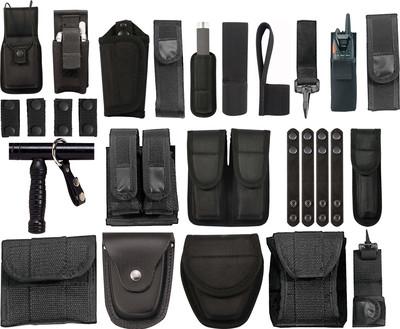
A duty kit is more than a collection of gear. It is a system, and every piece in it has to work with the others, under stress, in bad weather, and at any hour of the day. Officers rarely get a second chance when equipment fails, which is why building a duty kit deserves careful thought rather than impulse buying.
This article walks through how to assemble a dependable kit with the right law enforcement accessories, from defining your needs to maintaining everything once it is in service.
1. Define the Purpose of Your Kit:
Before you buy a single item, decide what your kit needs to do. A duty kit for a patrol officer working twelve-hour shifts looks very different from one built for a detective, a school resource officer, or a corrections officer. Start by listing the situations you are most likely to face, the tools you actually use every shift, and the tools you may need only rarely but cannot be without.
This exercise keeps you from overloading your belt and bag with items that look useful but seldom leave their pouches. A clear purpose also makes it easier to judge each piece of gear later, because you can ask a simple question: does this item support my daily duties or not?
2. Follow Department Standards and Legal Requirements:
Every agency has rules about what officers may carry and how it must be carried. These often cover approved firearms, holster types, retention levels, less-lethal tools, and even the finish and color of your gear. Some equipment may require certification or training before you are allowed to use it on duty.
Check your department's policy before purchasing any law enforcement accessories. Speak with your armorer, quartermaster, or training officer if anything is unclear. Building your kit within these rules from the start avoids wasted money, and it protects you from problems in the field or in court, where your equipment choices may be examined closely.
3. Build the Core Layer First:
The core of a duty kit is the equipment on your belt and body that you need in the first seconds of any incident. A retention holster fitted to your exact firearm and light is the foundation, followed by magazine pouches that hold spares securely and allow a fast, one-handed reload. Handcuffs and a suitable case, a radio holder, and your approved less-lethal tools, such as OC spray, a baton, or a TASER, complete this layer.
Each of these law enforcement accessories should be chosen for reliability first and style second. Look for consistent retention, smooth draw, and secure closures that do not snag or open by accident. Spend the most on the items you depend on the most, and test them thoroughly in training before they go on patrol.
4. Add Lighting and Communication Tools:
Good visibility and dependable communication are among the most important parts of any duty kit. A quality tactical flashlight, carried in a holder that keeps it accessible and stable, is essential for night work, building searches, and vehicle stops. Many officers carry a backup light as well, since a single failure in the dark can turn a routine task into a hazard.
Communication gear deserves the same attention. Make sure your radio is firmly held, with the microphone or remote speaker positioned for easy reach. Keep a charged spare battery where you can find it quickly, and check that your earpiece or accessories are comfortable enough for long wear. Equipment that you cannot use easily will not serve you well when time is short.
5. Include Medical and Emergency Items:
Officers are often the first to arrive at accidents, assaults, and medical emergencies, so a compact medical kit is a sensible part of any duty setup. Many agencies now encourage or require officers to carry an individual first aid kit that includes a tourniquet, pressure bandages, gloves, and a chest seal. Keep it in a consistent, easy-to-reach spot so you can grab it one-handed, either for yourself or for someone else.
Training matters as much as the items themselves. A tourniquet you have never practiced applying is far less useful than one you have handled many times. Ask your department about medical training, and refresh your skills regularly so that your law enforcement accessories are backed by real ability.
6. Organize Your Vehicle and Backup Gear:
Your duty belt is only part of the picture. A well-built kit also includes a vehicle bag or trunk organizer with supplies you need occasionally but cannot carry on your body. This may include extra gloves, evidence bags, traffic cones or flares, a reflective vest, a spare flashlight, a charging cable, and weather protection such as a rain jacket.
Organization is the key here. Use labeled pouches or compartments so you can find each item without searching, and place the most urgent tools where they are quickest to reach. A tidy, predictable layout saves valuable seconds and reduces stress when something goes wrong.
7. Choose Durable Materials and Quality Construction:
Your kit will be used in rain, heat, cold, dust, and physical struggle, so durability is not optional. Nylon offers light weight and strong resistance to moisture and wear, leather delivers a classic look with long service life when it is cared for, and molded polymer or Kydex gives holsters precise fit and consistent retention.
Inspect the stitching, rivets, snaps, and hardware on everything you buy. Well-made law enforcement accessories feel solid and show no loose threads, weak fasteners, or sloppy finishing. Buying from established manufacturers with warranty support and good feedback from working officers is usually a wiser choice than chasing the cheapest price.
8. Balance Weight and Comfort:
A fully loaded duty belt can weigh 15 to 25 pounds or more, and that load is carried for hours at a time. Poor weight distribution can lead to lower back pain, hip strain, and fatigue, which in turn affect your alertness and performance. Keep the weight balanced around the belt, avoid carrying items you rarely need, and make sure the belt fits snugly without restricting movement.
If your kit becomes too heavy, consider moving some items to a load-bearing vest carrier or using suspenders to share the weight with your shoulders. Comfort might seem like a secondary concern, but an officer who is physically worn down is less effective and more likely to get injured.
9. Train With Your Complete Setup:
Even the best kit is of little use if you are not familiar with it. Practice drawing your firearm, reloading, deploying less-lethal tools, using your radio, and applying medical items while wearing your full duty gear. Do this in the same uniform and body armor you wear on patrol so that you notice any conflicts between items.
Muscle memory is built through repetition, and it is what prevents mistakes under pressure. If you change your layout or add new law enforcement accessories, retrain until the new arrangement feels natural. Small adjustments made carefully are far better than frequent changes that erase what you have already learned.
10. Inspect, Maintain, and Update Regularly:
A reliable kit stays reliable only if it is looked after. Inspect your belt, holsters, and pouches on a regular schedule, checking for cracks, fraying, loose screws, and worn retention devices. Clean and condition leather, replace batteries before they fail, and restock medical and vehicle supplies after each use.
Review your kit whenever your assignment, equipment, or department policy changes. Remove anything you no longer use and replace items that show signs of wear. A short monthly inspection routine takes only a few minutes but can prevent equipment failure at the worst possible moment.
Final Thoughts:
Building a reliable duty kit is an ongoing process, not a one-time purchase. Begin with a clear purpose and your department's requirements, get the core equipment right, and add lighting, communication, and medical tools that suit your role. Choose durable materials, keep the weight manageable, train with your full setup, and maintain everything regularly. With the right law enforcement accessories organized thoughtfully, your duty kit will support you in every situation your shift brings.

 English
 French
 Spanish
 Portuguese
 Deutsch
 Turkish
 Dutch
Dutch
 Italiano
 Russian
 Romaian
 Portuguese (Brazil)
 Greek
Greek
