
Can Hepatitis B Be Detected Without Symptoms?
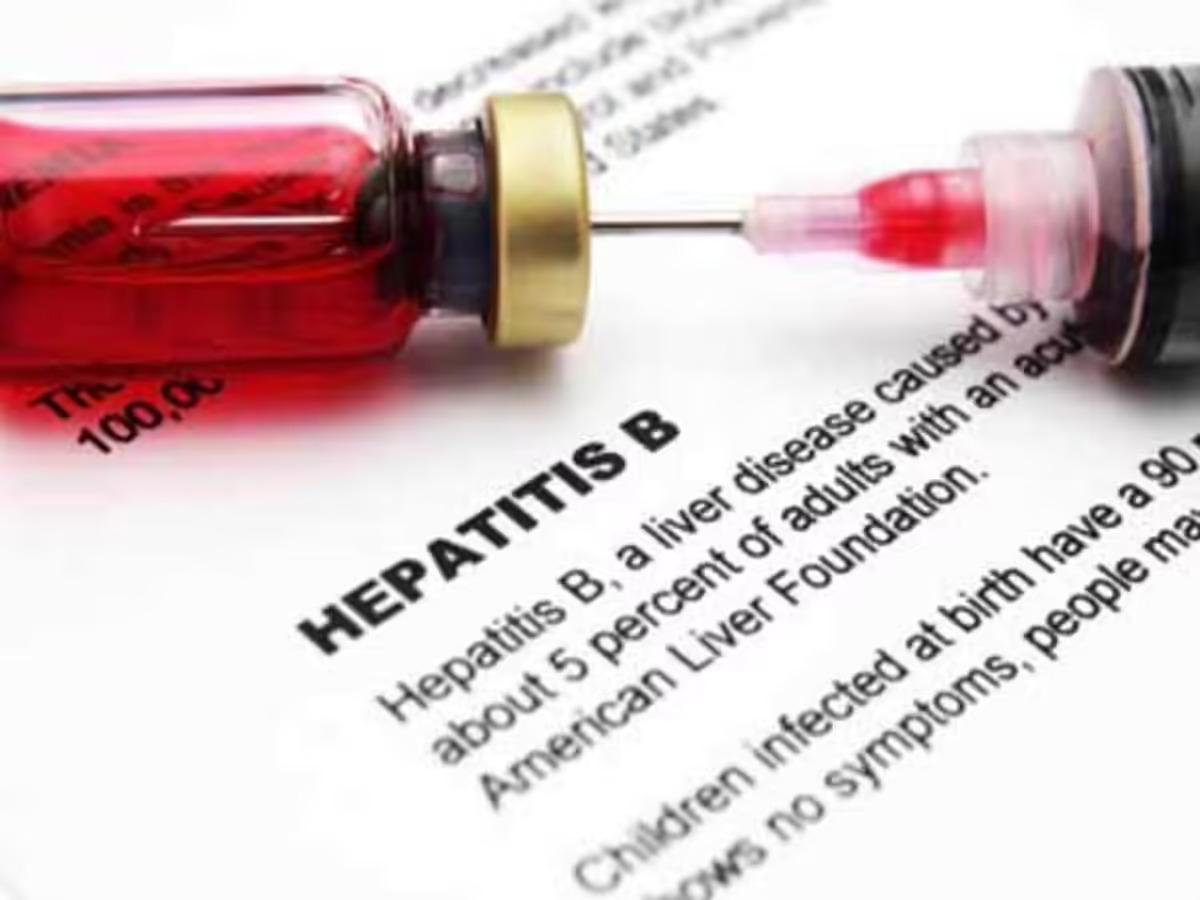
Yes, hepatitis B can be present without noticeable symptoms. This is one of the main reasons a Hepatitis B Test in Dubai can be useful for people who have possible exposure or recognized risk factors.
Hepatitis B is caused by the hepatitis B virus (HBV), which primarily affects the liver. Some people develop symptoms during an acute infection, while others may experience mild symptoms or none at all. Chronic hepatitis B can also remain unnoticed for years in some individuals.
Because symptoms are not always present, a person cannot determine their hepatitis B status simply by how they feel. Laboratory testing can detect specific markers associated with the virus and the body's immune response.
Why Can Hepatitis B Go Unnoticed?
The body's response to hepatitis B can vary from person to person. Some individuals develop symptoms such as fatigue, nausea, abdominal discomfort, loss of appetite, fever, dark urine, or jaundice. Others may have no obvious signs.
When symptoms are absent, the infection may remain undetected unless testing is performed for another reason.
This is particularly relevant for chronic hepatitis B. A person may not experience significant discomfort while the virus remains present in the body.
Regular screening for people with recognized risk factors can therefore provide information that symptoms cannot.
How Can Testing Detect an Infection?
A Hepatitis B Test in Dubai generally involves blood testing. The laboratory looks for specific hepatitis B markers that can provide information about current infection, previous exposure, or immunity.
One important marker is hepatitis B surface antigen, or HBsAg. Detection of HBsAg can indicate current infection and may lead to additional testing.
Other markers include anti-HBs, which can indicate immunity, and anti-HBc, which can provide evidence of previous or current exposure.
The combination of these results is often more informative than a single marker.
What Is HBsAg?
HBsAg stands for hepatitis B surface antigen. It is one of the primary laboratory markers used to identify current hepatitis B infection.
If HBsAg is detected, a healthcare professional may recommend additional tests to understand the infection more fully.
A positive HBsAg result does not by itself explain every aspect of the infection. Additional laboratory findings, exposure history, and clinical information may be needed.
This is why patients should have their results reviewed by a qualified healthcare professional.
What Is Anti-HBs?
Anti-HBs refers to antibodies against hepatitis B surface antigen. The presence of anti-HBs can indicate immunity.
A person may develop these antibodies after successful hepatitis B vaccination or after recovering from a previous infection.
Because both situations can produce anti-HBs, other hepatitis B markers can help determine the reason for immunity.
If you are uncertain about your vaccination history, tell your healthcare provider. This information can help with result interpretation.
What Is Anti-HBc?
Anti-HBc is the antibody directed against the hepatitis B core antigen. It can indicate previous or current exposure to HBV.
This marker is different from the antibody produced through vaccination alone. Its interpretation depends on the other hepatitis B test results.
A healthcare professional may examine HBsAg, anti-HBs, and anti-HBc together to better understand whether a person has current infection, previous infection, or immunity.
Who Should Consider Testing Without Symptoms?
People without symptoms may still be advised to consider hepatitis B screening when they have certain risk factors.
These can include having a sexual partner with hepatitis B, sharing injection equipment, experiencing an occupational exposure to blood, or undergoing certain medical treatments.
Pregnancy is another important reason for screening. Identifying hepatitis B during pregnancy can help healthcare professionals plan appropriate care to reduce the risk of transmission to the baby.
People who have lived in regions where hepatitis B is more common may also benefit from discussing screening with a healthcare provider.
Testing After Possible Sexual Exposure
Hepatitis B can spread through sexual contact with an infected person. Because infection may occur without symptoms, someone may not know they have been exposed.
If you have concerns about a sexual exposure, discuss the situation with a healthcare professional. The provider may recommend testing based on the type and timing of the exposure and your vaccination status.
If exposure was recent, the timing of testing becomes particularly important. Some markers may not be detectable immediately after infection.
Follow-up testing may therefore be recommended in certain situations.
Testing After Blood Exposure
Hepatitis B can also spread through infected blood. Sharing needles or other equipment that may contain blood can increase exposure risk.
Healthcare workers and others who experience accidental needlestick injuries may require prompt medical assessment.
Testing may be used to establish a person's current status and determine whether additional follow-up or preventive measures are appropriate.
Anyone who experiences a significant occupational or blood exposure should seek medical advice promptly.
Hepatitis B Testing at Enfiled STD Clinic
Professional Screening at Enfiled STD Clinic
Enfiled STD Clinic provides a professional setting for individuals seeking infection and sexual health screening. If you are considering a Hepatitis B Test in Dubai despite having no symptoms, a healthcare professional can discuss your circumstances and determine whether testing may be appropriate.
During the consultation, you may be asked about possible exposure, vaccination history, previous test results, medical conditions, and other relevant factors.
A blood sample can then be collected for laboratory analysis. Depending on your circumstances, the healthcare provider may request several hepatitis B markers rather than relying on a single test.
Once the results are available, professional interpretation can help explain what they mean and whether further testing is required.
Can a Negative Test Rule Out Hepatitis B?
A negative result can provide useful information, but its meaning depends on the specific test and timing.
If a person has not had a recent exposure, a negative result may provide evidence that the particular infection marker tested was not detected.
However, after a recent exposure, testing may occur before the infection becomes detectable. In this situation, a healthcare professional may recommend repeat testing.
A negative infection result also does not necessarily mean that a person is immune. Separate antibody testing may be needed to determine whether protection is present.
Can a Positive Test Occur Without Symptoms?
Yes. A person can have a positive hepatitis B marker without experiencing noticeable symptoms.
For example, HBsAg may be detected during routine screening even when the person feels healthy.
A positive result should be followed by appropriate medical evaluation. Additional tests may help determine whether the infection is acute or chronic and whether the liver is being affected.
Some people with chronic hepatitis B may require ongoing monitoring even when they have no symptoms.
Why Early Detection Can Matter
Identifying hepatitis B can provide an opportunity for appropriate medical assessment and follow-up.
Chronic hepatitis B can increase the risk of liver complications over time. Not everyone with chronic infection develops serious disease, but monitoring can help healthcare professionals assess liver health and viral activity.
Additional testing may include liver function tests, HBV DNA testing, or other investigations depending on the individual's situation.
The goal is to understand the infection and determine whether monitoring or treatment is appropriate.
Testing During Pregnancy
Hepatitis B screening during pregnancy is important because an infected mother can transmit HBV to her baby around the time of childbirth.
Identifying infection allows the healthcare team to plan appropriate preventive care for the newborn.
Pregnant individuals should follow the screening recommendations of their obstetrician or healthcare provider and disclose any known hepatitis B diagnosis or possible exposure.
Testing Before Certain Medical Treatments
Some treatments can suppress the immune system and may increase the risk of hepatitis B reactivation in people with current or previous infection.
For this reason, doctors may recommend hepatitis B screening before certain cancer treatments, organ transplantation, or immunosuppressive therapies.
Knowing a person's hepatitis B status can help the medical team determine whether additional monitoring or preventive management is appropriate.
How Often Should You Test?
There is no single testing schedule that applies to everyone.
The frequency of screening depends on factors such as previous exposure, vaccination status, occupation, medical conditions, pregnancy, and ongoing risk.
People with confirmed chronic hepatitis B may require periodic monitoring according to their healthcare provider's recommendations.
If you have a new possible exposure, seek medical advice rather than relying on a routine testing schedule.
What Should You Do If You Have No Symptoms?
If you have no symptoms but are concerned about hepatitis B, consider discussing your risk factors with a healthcare professional.
You do not need to wait until symptoms develop to ask about screening. A healthcare provider can assess your circumstances and determine whether testing is appropriate.
If testing is recommended, following the provider's instructions about timing and follow-up can help produce more meaningful results.
Final Thoughts
Hepatitis B can be detected even when a person has no noticeable symptoms. A Hepatitis B Test in Dubai can examine specific blood markers that provide information about current infection, previous exposure, or immunity.
Because hepatitis B may remain silent, people with recognized risk factors or possible exposure should discuss screening with a qualified healthcare professional. Timing is especially important after a recent exposure because an early test may not detect an infection immediately.
If you are concerned about hepatitis B despite feeling healthy, professional testing can help clarify your status and determine whether further evaluation or follow-up is appropriate.

 English
 Arabic
 French
 Spanish
 Portuguese
 Deutsch
 Dutch
Dutch
 Italiano
 Russian
 Romaian
 Portuguese (Brazil)
 Greek
Greek
