
IV Drip at Home Without Clinic Visits
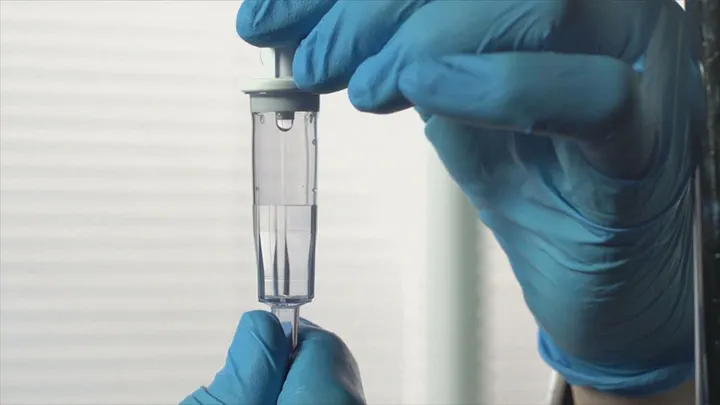
IV Drip at Home offers a convenient alternative for eligible patients who need appropriate intravenous treatment but may find it difficult or unnecessary to travel to a clinic. With home-based care, a qualified healthcare professional can visit the patient, assess the treatment requirements, prepare the necessary supplies, and administer the prescribed infusion in a suitable home environment. The service focuses on convenience while maintaining appropriate medical and safety procedures.
Professional Support at Your Home
A Doctor at home in Dubai can provide an assessment when a patient's condition requires professional evaluation before home healthcare is considered. The healthcare professional may review medical history, medications, allergies, current symptoms, and other relevant information. This process helps determine whether IV treatment is appropriate and whether the patient can safely receive it outside a clinical setting.
What Is IV Drip Treatment?
An IV drip is a form of intravenous therapy in which prescribed fluids, electrolytes, medications, or other medically indicated substances are delivered directly into a vein. An IV catheter is placed into a suitable vein and connected to the prescribed solution.
Because the treatment enters the bloodstream directly, it requires proper technique and sterile equipment. A trained healthcare professional should perform the procedure and monitor the patient according to the treatment plan.
Why Avoiding a Clinic Visit Can Be Convenient
Traveling to a healthcare facility may be challenging for some patients. People with limited mobility, those recovering from illness, or individuals who have difficulty arranging transportation may appreciate the convenience of receiving appropriate care at home.
Home treatment can also reduce the time spent traveling and waiting for routine appointments. Instead of arranging transportation to a clinic, patients may be able to receive suitable treatment in a familiar environment.
However, convenience should not determine whether IV therapy is medically necessary. A healthcare professional should assess the patient and establish whether home treatment is suitable.
Who May Benefit From Home-Based IV Care?
Home IV therapy may be considered for certain patients who have an appropriate medical reason for intravenous fluids or medications and whose condition is suitable for home treatment.
The decision depends on individual circumstances. A patient who needs close hospital monitoring may not be appropriate for home care, while another patient with a stable condition may be able to receive prescribed treatment at home.
For this reason, patients should discuss their specific needs with a qualified healthcare professional before arranging an infusion.
The Importance of Medical Assessment
Medical assessment helps establish whether IV therapy is appropriate and what type of treatment may be required. The healthcare professional may ask about existing medical conditions, current medications, allergies, previous treatments, and recent symptoms.
This information is important because IV treatment is not suitable for everyone. In some situations, oral fluids, prescribed medication, rest, or another type of medical care may be more appropriate.
How the Home IV Process Works
When the healthcare professional arrives, the treatment plan is reviewed and the necessary supplies are prepared. A suitable area is selected so the procedure can be performed safely and comfortably.
The healthcare professional uses appropriate sterile technique to insert the IV catheter into a suitable vein. The prescribed infusion is then connected and administered at the recommended rate.
During the infusion, the patient can remain comfortably seated or positioned as advised. The healthcare professional may monitor the patient's condition and observe for any unexpected symptoms or reactions.
Safety During an IV Infusion
Safety is essential when administering intravenous treatment at home. Proper hand hygiene, sterile equipment, correct catheter placement, appropriate infusion rates, and professional monitoring all play an important role.
Patients should not attempt to administer IV therapy themselves. Inserting a catheter and delivering substances directly into the bloodstream requires appropriate training and professional knowledge.
What Patients Should Tell Their Healthcare Provider
Before treatment, patients should provide accurate information about their health. This includes known allergies, current medications, existing medical conditions, previous reactions to IV treatment, and any recent changes in symptoms.
Patients should also mention if they have experienced unusual reactions to medications or previous infusions. Providing complete information can help the healthcare professional make a more informed decision about the treatment.
Preparing Your Home for Treatment
A clean and comfortable area can make the appointment easier. Patients can keep their medical information and medication list available and make sure the healthcare professional has enough space to work.
It is also helpful to follow any preparation instructions provided by the healthcare provider. Specific requirements can vary depending on the prescribed treatment.
Aftercare Following Home IV Treatment
After the infusion, the healthcare professional may provide instructions about the IV insertion site, activity, hydration, medication, and follow-up. Patients should observe the insertion area and report unusual swelling, redness, pain, or other concerning changes.
If serious symptoms develop during or after treatment, patients should seek appropriate medical attention. Home IV services should not replace emergency care when urgent symptoms are present.
When a Clinic or Hospital May Still Be Necessary
Although home healthcare can be convenient, some conditions require facilities with advanced equipment and continuous monitoring. Patients experiencing severe chest pain, serious breathing problems, fainting, uncontrolled bleeding, or rapidly worsening symptoms should seek urgent medical care rather than waiting for a routine home appointment.
A healthcare professional can help determine whether home care is suitable or whether a clinic or hospital setting is more appropriate.
Final Thoughts
For appropriate patients, IV Drip at Home can reduce the need for routine clinic travel while allowing prescribed intravenous treatment to be provided in a familiar environment. The most important factors are proper medical assessment, qualified professional administration, sterile equipment, patient monitoring, and suitable aftercare. Home-based treatment should always be selected according to individual healthcare needs rather than convenience alone.

 English
 Arabic
 French
 Spanish
 Portuguese
 Deutsch
 Turkish
 Dutch
Dutch
 Italiano
 Russian
 Portuguese (Brazil)
 Greek
Greek
