
Post-Operative Care Tips for Tummy Tuck Patients in Riyadh
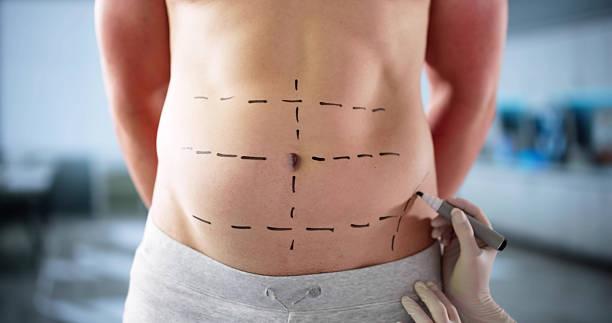
Recovering after a cosmetic procedure requires patience, consistency, and proper guidance to achieve the best possible results. One of the most important aspects of recovery is following the right aftercare routine, especially when it comes to abdominal contouring procedures. Patients searching for Tummy Tuck in Riyadh often focus on achieving a flatter and more sculpted abdomen, but the recovery phase plays a crucial role in determining long-term outcomes and overall satisfaction.
After undergoing Tummy Tuck in Riyadh, patients must understand that healing is a gradual process that involves both physical care and lifestyle adjustments. The body needs time to recover from surgical intervention, and proper post-operative care helps reduce complications, improve comfort, and enhance final results. Following structured aftercare instructions can significantly support the healing journey and help patients regain confidence in a safe and healthy manner.
Understanding the Recovery Process After Abdominal Contouring
Recovery after abdominal reshaping is a step-by-step journey that varies from person to person. The body goes through swelling, tightness, and mild discomfort as part of the natural healing response. During this period, rest and controlled movement are essential to support tissue repair and reduce strain on the abdominal area.
Patients are advised to stay patient and avoid rushing the healing process. The results gradually improve over time as swelling reduces and the skin adjusts to its new contour. Emotional well-being also plays a role in recovery, as maintaining a positive mindset can help patients stay consistent with their care routine.
Immediate Post-Surgery Care Guidelines
The first few days after surgery are the most sensitive, requiring careful attention to comfort and hygiene. Keeping the surgical area clean and protected is essential to avoid irritation and support proper healing. Patients should ensure they follow all post-operative instructions carefully and avoid unnecessary pressure on the abdomen.
Rest is highly important during this stage, but complete immobility is not recommended. Gentle movement within safe limits helps promote circulation and reduces the risk of stiffness. Sleeping positions should be adjusted to avoid tension on the abdominal area, allowing the body to heal more efficiently.
Managing Swelling and Discomfort
Swelling is a natural part of the healing process and may last for several weeks. Using recommended supportive measures helps control inflammation and provides comfort. Patients should remain consistent with aftercare practices and avoid activities that may increase pressure on the abdominal region.
Wound Care and Hygiene
Maintaining proper hygiene is essential for preventing infection and supporting smooth healing. The surgical area should be kept clean and dry as instructed. Regular monitoring of the incision site helps ensure that recovery is progressing normally and allows early detection of any unusual changes.
Movement and Physical Activity During Recovery
Gradual movement is encouraged after surgery to support blood circulation and prevent stiffness. Light walking is often introduced early in the recovery phase to help maintain mobility without straining the abdominal muscles.
Gentle Mobility Practices
Slow and controlled movement helps the body adjust while minimizing discomfort. Patients should avoid sudden bending, lifting, or twisting motions that may disrupt healing tissues. Over time, activity levels can be increased as the body becomes stronger.
Avoiding Physical Strain
Heavy physical activities should be strictly avoided during the early recovery period. Allowing the body to heal without unnecessary stress ensures better long-term results and reduces the risk of complications. Patience and consistency are key to achieving a smooth recovery experience.
Nutrition and Hydration for Better Healing
A balanced diet plays a vital role in recovery. Nutrient-rich foods support tissue repair and strengthen the immune system. Staying hydrated helps improve circulation and promotes faster healing. Including fresh fruits, vegetables, and protein-rich foods can significantly enhance the body’s recovery process.
Wearing Compression Support for Optimal Results
Compression garments are often recommended to help reduce swelling and support the newly shaped abdominal area. These garments assist in maintaining structure and improving comfort during the healing phase. Consistent use as advised contributes to better shaping outcomes and smoother recovery.
Warning Signs to Monitor During Recovery
While mild discomfort is expected, patients should stay alert to any unusual symptoms. Persistent pain, excessive swelling, or changes in the incision area should not be ignored. Early attention to such signs ensures timely care and helps maintain safe recovery progress.
Frequently Asked Questions
What is the typical recovery time after a tummy tuck procedure?
Recovery varies, but most patients notice gradual improvement over several weeks as swelling reduces and healing progresses.
Can I return to normal activities soon after surgery?
Light activities may be resumed gradually, but strenuous movements should be avoided until the body fully recovers.
Is swelling normal during the healing process?
Yes, swelling is a natural response and gradually decreases as the body heals over time.
Why is wearing compression garments important?
They help support the abdominal area, reduce swelling, and improve overall contour during recovery.
When should I be concerned about recovery symptoms?
Any unusual or persistent discomfort, swelling, or changes in the surgical area should be evaluated promptly.
Consultation and Expert Guidance
Proper aftercare and professional guidance play a major role in achieving safe and satisfying results after abdominal contouring procedures. For individuals seeking reliable support and personalized care, Enfield Royal Clinic provides expert assistance focused on patient comfort, safety, and optimal recovery outcomes.

 Arabic
 French
 Spanish
 Portuguese
 Deutsch
 Turkish
 Dutch
Dutch
 Italiano
 Russian
 Romaian
 Portuguese (Brazil)
 Greek
Greek