
Questions to Ask Your Sleeve Gastrectomy Surgeon
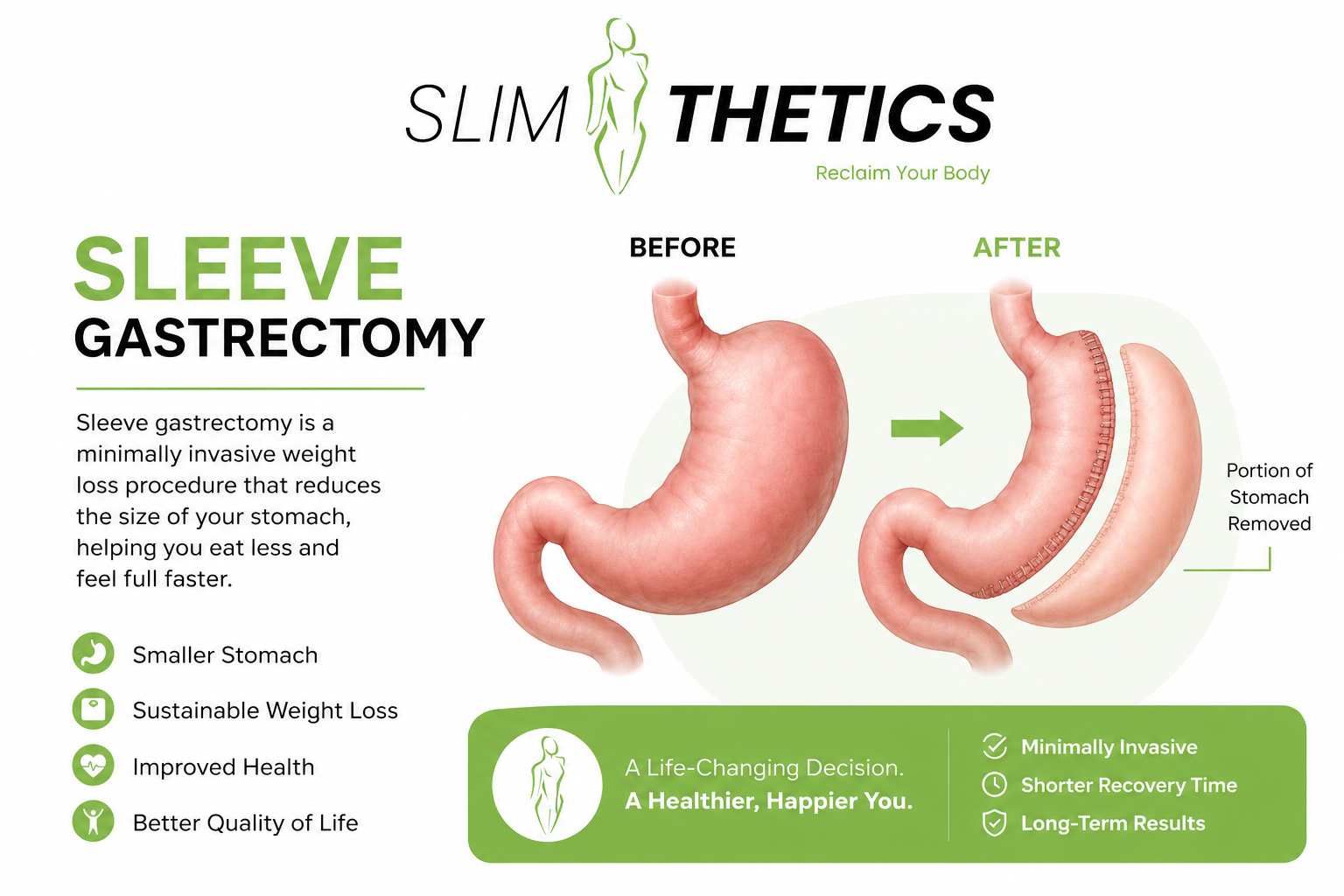
Choosing bariatric surgery is an important decision that involves understanding the procedure, its potential benefits, possible risks, and the long term lifestyle changes it may require. Sleeve gastrectomy is a commonly performed weight loss surgery that reduces the size of the stomach and can help eligible patients achieve meaningful weight loss when combined with appropriate dietary and lifestyle changes.
When considering Sleeve gastrectomy in Islamabad, patients should take time to discuss their individual health, weight loss goals, medical history, and expectations with a qualified bariatric surgeon. A detailed consultation allows you to understand whether sleeve gastrectomy is appropriate for you and gives you an opportunity to ask important questions before making a decision.
Why Asking Questions Before Sleeve Gastrectomy Matters
A consultation should be more than simply discussing the surgery date. It should help you understand the complete treatment journey, from the initial assessment through recovery and long term follow up.
Important reasons to ask questions include:
-
Understanding how the procedure works
-
Learning whether you may be an appropriate candidate
-
Discussing expected weight loss and health improvements
-
Understanding potential complications
-
Knowing what preparation is required
-
Planning for recovery and dietary changes
-
Learning about long term follow up and support
Questions About Your Surgeons Experience
One of the first areas to discuss is your surgeons experience with bariatric procedures. Surgical experience can be an important part of evaluating your treatment options.
How Many Sleeve Gastrectomy Procedures Have You Performed
Ask your surgeon about their experience specifically with sleeve gastrectomy rather than only asking about general surgical experience.
-
Ask how frequently they perform sleeve gastrectomy
-
Ask about their experience with laparoscopic bariatric surgery
-
Discuss whether they routinely manage bariatric surgery complications
-
Ask about their approach to complex or high risk cases
Are You Trained in Bariatric Surgery
Bariatric surgery requires specialized knowledge because the procedure involves both surgical techniques and long term obesity management.
You can ask:
-
What bariatric surgery training have you completed
-
How long have you been performing weight loss surgery
-
Which bariatric procedures do you routinely perform
-
Do you participate in continuing surgical education
Questions About Your Eligibility
Sleeve gastrectomy is not automatically appropriate for everyone who wants to lose weight. Your surgeon should evaluate your overall health and weight history before recommending a procedure.
Am I a Suitable Candidate
Ask your surgeon to explain why sleeve gastrectomy may or may not be suitable for you.
The assessment may consider:
-
Body mass index and weight history
-
Existing obesity related health conditions
-
Previous attempts at weight management
-
Eating patterns and lifestyle
-
Previous abdominal surgeries
-
Current medications
-
Overall medical condition
What Health Conditions Should I Tell You About
Give your surgeon a complete medical history. Certain conditions, medications, and previous procedures may influence surgical planning.
Discuss:
-
Diabetes
-
High blood pressure
-
Sleep apnea
-
Digestive problems
-
Previous abdominal surgery
-
Current medications
-
Previous weight loss treatments
Questions About the Sleeve Gastrectomy Procedure
Understanding what happens during surgery can make the treatment process easier to understand and help you prepare for your consultation.
How Does Sleeve Gastrectomy Work
During sleeve gastrectomy, a large portion of the stomach is surgically removed, leaving a smaller stomach that has a narrow tube or sleeve like shape.
The smaller stomach can:
-
Reduce the amount of food that can be consumed at one time
-
Help patients feel full after smaller meals
-
Support reduced calorie intake
-
Produce changes in hunger related signals
Your surgeon should explain the procedure in a way that is specific to your individual circumstances.
Will My Surgery Be Performed Laparoscopically
Many sleeve gastrectomy procedures are performed using minimally invasive laparoscopic techniques. However, the surgical approach depends on the patients condition and the surgeons assessment.
Ask:
-
How will the surgery be performed
-
How many small incisions are normally required
-
How long the operation usually takes
-
Under what circumstances would the surgical approach change
Questions About Risks and Complications
Every surgical procedure carries potential risks. A responsible consultation should include a clear discussion of both common and less common complications.
What Are the Possible Risks
Ask your surgeon to explain the risks that may apply to you.
Potential complications can include:
-
Bleeding
-
Infection
-
Blood clots
-
Leakage from the stomach staple line
-
Reactions to anesthesia
-
Dehydration
-
Nutritional deficiencies
-
Gastrointestinal symptoms
The actual risk varies between individuals, so your surgeon should explain how your medical history affects your risk profile.
What Symptoms Should Concern Me After Surgery
Understanding warning signs is an important part of preparation.
Ask your surgical team:
-
Which symptoms are expected during recovery
-
Which symptoms require immediate medical attention
-
Who should you contact if you have a concern
-
Where should you go if an emergency occurs outside clinic hours
Questions About Expected Weight Loss
Patients often want to know how much weight they can expect to lose after surgery. However, results vary considerably from person to person.
How Much Weight Can I Expect to Lose
Instead of relying on general before and after results, ask your surgeon about a realistic range based on your starting weight, health, eating habits, activity level, and ability to follow postoperative recommendations.
Weight loss can be influenced by:
-
Starting body weight
-
Dietary adherence
-
Physical activity
-
Metabolic factors
-
Medical conditions
-
Long term lifestyle habits
-
Follow up participation
How Long Will Weight Loss Continue
Weight loss generally occurs gradually rather than immediately reaching a final result. Your surgeon or bariatric team can explain what changes you might expect during the first few weeks, months, and later stages of recovery.
Questions About Preparation Before Surgery
Preparing for sleeve gastrectomy can involve medical evaluations and lifestyle changes.
What Tests Do I Need Before Surgery
Depending on your health and clinical assessment, your medical team may recommend investigations such as blood tests, imaging, nutritional assessments, or other medical evaluations.
Ask your surgeon:
-
Which tests are required
-
Why each test is necessary
-
Whether specialist consultations are required
-
Whether any medications need adjustment
Do I Need to Change My Diet Before Surgery
Your bariatric team may recommend dietary changes before surgery. Follow their specific instructions rather than following a generic online diet.
You may be advised to:
-
Reduce certain high calorie foods
-
Increase protein intake
-
Improve hydration
-
Avoid certain beverages
-
Follow a prescribed preoperative diet
Questions About Recovery
Knowing what recovery involves can help you arrange work, transportation, family support, and daily responsibilities.
How Long Will I Stay in the Hospital
Hospital stay varies according to the surgical approach, individual recovery, and medical circumstances.
Ask about:
-
Expected hospital stay
-
When you can walk after surgery
-
When you can drink fluids
-
When you can return home
-
When normal activities can gradually resume
When Can I Return to Work
Your recovery period depends on your occupation and how your body responds to surgery.
People with physically demanding jobs may require a different recovery plan than those with desk based work. Ask your surgeon for personalized guidance.
Questions About Eating After Surgery
Dietary changes are an essential part of the sleeve gastrectomy journey. Your stomach will initially need time to heal, and food textures and portion sizes are usually introduced gradually.
What Can I Eat After Sleeve Gastrectomy
Your bariatric team should provide a structured dietary progression.
This may involve stages such as:
-
Clear or approved liquids
-
Full liquids
-
Pureed foods
-
Soft foods
-
Gradual introduction of regular foods
Do not advance your diet faster than recommended by your medical team.
How Much Can I Eat After Surgery
The amount of food you can consume will initially be significantly reduced. Over time, portions may gradually change as your body adapts.
Learning to eat slowly and recognize fullness can become an important part of long term weight management.
Questions About Vitamins and Nutrition
Although sleeve gastrectomy does not bypass the intestines, nutritional deficiencies can still occur because food intake is reduced and dietary tolerance may change.
Will I Need Vitamins After Surgery
Ask which supplements you will need and how often your nutritional levels should be monitored.
Your care plan may include monitoring nutrients such as:
-
Iron
-
Vitamin B12
-
Folate
-
Vitamin D
-
Calcium
-
Other nutrients based on your individual needs
Do not start or stop supplements without discussing them with your healthcare provider.
Questions About Exercise and Lifestyle
Surgery is an important tool for weight management, but long term outcomes also involve lifestyle habits.
When Can I Start Exercising
Your surgeon can provide guidance on gradually increasing physical activity after surgery.
Recovery may progress from:
-
Gentle walking
-
Increasing daily movement
-
Light activities
-
Structured exercise
-
Strength and fitness training when medically appropriate
The timing should be individualized according to your recovery.
Questions About Long Term Follow Up
One of the most important questions to ask is what happens after the initial recovery period.
How Often Will I Need Follow Up
Regular follow up can help your medical team monitor:
-
Weight changes
-
Nutrition
-
Hydration
-
Eating tolerance
-
Medical conditions
-
Potential complications
-
Long term lifestyle progress
Ask whether your clinic provides an ongoing bariatric care program.
What Happens If I Regain Weight
Weight regain can occur for some patients after bariatric surgery. If this happens, it does not necessarily mean that treatment has ended.
Your bariatric team may evaluate:
-
Eating patterns
-
Portion sizes
-
Physical activity
-
Emotional or behavioral factors
-
Medical conditions
-
Medication use
-
Anatomical factors
Depending on the circumstances, additional nutritional, behavioral, medical, or surgical management may be considered.
Questions About the Total Cost
Understanding the complete financial aspect of treatment can prevent unexpected expenses.
What Is Included in the Surgery Cost
When discussing sleeve gastrectomy in Islamabad, ask for a clear explanation of what your quoted cost includes.
Ask whether the package covers:
-
Surgeon fees
-
Anesthesia
-
Hospital charges
-
Preoperative tests
-
Medications
-
Follow up appointments
-
Nutritional counseling
-
Additional hospital stay if required
Also ask whether there could be separate charges for additional investigations or treatment.
Questions to Ask About Your Complete Treatment Plan
Before making a decision, ask your surgeon to explain the complete pathway rather than focusing only on the operation.
Important Final Questions
Consider taking a written list to your consultation:
-
Why do you recommend sleeve gastrectomy for me
-
What alternatives should I consider
-
What are my individual surgical risks
-
What weight loss range is realistic for me
-
What preparation do I need
-
What will my diet look like after surgery
-
How long will my recovery take
-
What follow up care will I receive
-
Which supplements will I need
-
What should I do if I experience complications
-
What happens if I do not achieve my expected weight loss
How to Prepare for Your Bariatric Consultation
A little preparation can help you make better use of your appointment.
Before your consultation:
-
Write down your medical history
-
Bring a list of medications and supplements
-
Record previous weight loss attempts
-
Note your current weight and recent changes
-
Prepare questions about surgery and recovery
-
Write down your weight loss goals
-
Ask about long term follow up
Taking notes during the consultation can also help you remember important instructions.
Making an Informed Decision About Sleeve Gastrectomy
Choosing bariatric surgery should involve a detailed discussion between you and your healthcare team. There is no single procedure that is appropriate for every patient, and your surgeon should consider your health, medical history, weight management goals, and ability to follow long term lifestyle recommendations.
If you are researching sleeve gastrectomy in Islamabad, focus on finding a qualified bariatric team that provides clear information, individualized assessment, safe surgical care, and appropriate postoperative follow up. A thorough consultation is an opportunity to understand the procedure and decide whether it fits your healthcare needs.
For patients seeking structured bariatric care, Slimthetics Clinic provides a dedicated setting where weight loss surgery can be discussed through personalized consultation and treatment planning. The team can help eligible patients understand their surgical options, preparation requirements, recovery process, nutrition, and long term weight management journey before moving forward with treatment.

 English
 Arabic
 French
 Spanish
 Portuguese
 Deutsch
 Turkish
 Dutch
Dutch
 Italiano
 Russian
 Romaian
 Greek
Greek
