
A Deep Dive into the Competitive Global Virtual Reality In Therapy Market Share
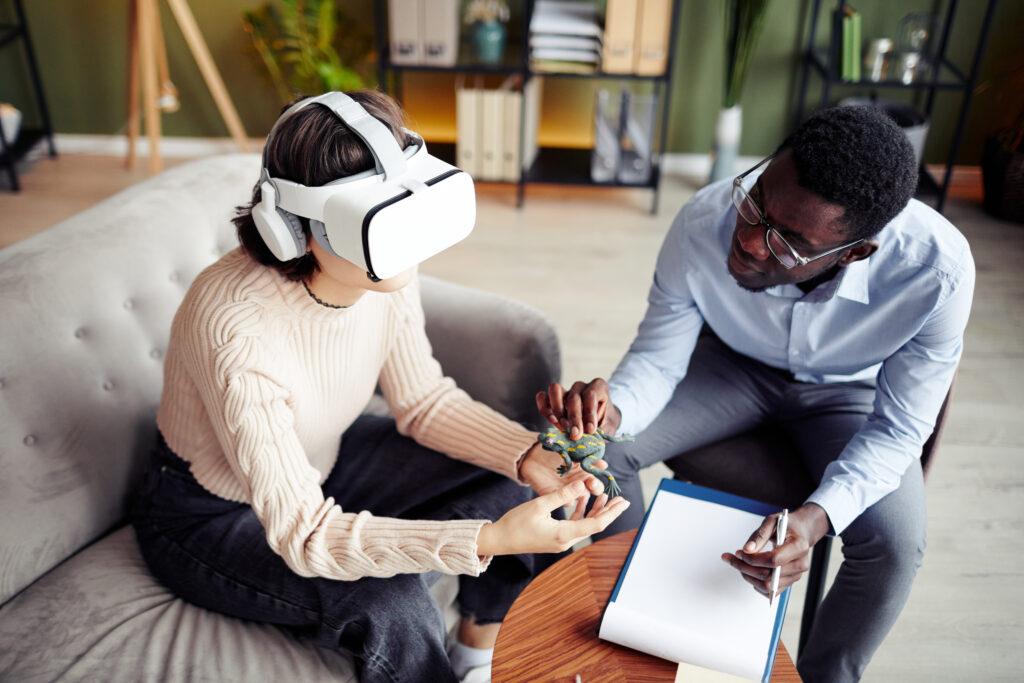
The global Virtual Reality In Therapy Market Share is characteristic of a nascent and highly specialized industry: it is fragmented, dynamic, and defined by a collection of innovative pioneers rather than a single dominant entity. Market share in this space is not a simple metric; it must be viewed through several different lenses, including the hardware platforms used, the software providers leading the charge, the specific therapeutic applications being addressed, and the geographic regions where adoption is most prevalent. Unlike more mature markets, the leaders in the VR therapy space are not yet household names, but they are building strong reputations within the clinical and research communities. The distribution of market share is currently being shaped by factors such as the strength of a company's clinical evidence, the usability of its platform, its strategic partnerships with healthcare systems, and its focus on specific, high-need therapeutic areas.
From a hardware platform perspective, the market share is heavily influenced by the broader consumer and enterprise VR markets. Currently, Meta's Quest line of headsets holds a significant share of the deployment base for VR therapy, primarily due to its combination of affordability, high quality, and standalone (wireless) functionality. This accessibility has made it the platform of choice for many startups and smaller clinics looking to experiment with or adopt VR therapy without a massive initial investment. In more specialized research and hospital settings, higher-end, PC-tethered headsets from companies like HTC (Vive) and Varjo also hold a notable share. These platforms offer superior graphical fidelity and tracking precision, which can be crucial for certain research applications or highly detailed simulations. As the hardware market continues to evolve, the market share within the therapeutic space will likely shift based on which platform offers the best balance of performance, cost, and developer support.
On the software side, the market share is distributed among a group of specialized, pure-play VR therapy companies. These are the firms that develop the actual therapeutic content and the clinical platforms. While the landscape is crowded, a few prominent players have emerged as early leaders by focusing on building a strong evidence base and comprehensive content libraries. Companies like AppliedVR have gained significant traction, particularly in the pain management space, and have achieved landmark milestones like receiving FDA approval for their solution. Others, like Psious (now Amelia), have built extensive libraries covering a wide range of phobias and anxiety disorders, gaining a strong foothold in the European market. The market share of these software companies is often tied to the specific conditions they treat; one company might be the leader in PTSD solutions, while another may dominate the social anxiety space. This specialization is a hallmark of the current market structure.
Geographically, the distribution of market share is currently skewed toward developed nations. North America, particularly the United States, holds the largest share of the global market. This is driven by several factors, including high levels of healthcare spending, a robust venture capital ecosystem funding VR startups, world-leading research universities conducting clinical trials, and a relatively clear (though still developing) pathway for regulatory approval through the FDA. Europe follows as a strong second market, with significant adoption in countries like Spain, the Netherlands, and the UK, often supported by national health systems and strong academic research. The Asia-Pacific region is an emerging market with immense future potential. As mental health awareness grows and technology adoption accelerates in countries like China, Japan, and South Korea, the APAC region is expected to become a key battleground for market share in the coming years.
Top Performing Market Insight Reports:

 English
 Arabic
 French
 Spanish
 Portuguese
 Deutsch
 Dutch
Dutch
 Italiano
 Russian
 Romaian
 Portuguese (Brazil)
 Greek
Greek