
What Is Liposuction and How Does It Work?
Liposuction is a body-contouring procedure designed to remove localized deposits of excess fat from specific areas of the body. It is commonly considered when certain fat deposits remain noticeable despite healthy eating and regular physical activity. For people researching Liposuction in Riyadh, understanding how the procedure works, which areas can be treated, and what results to expect can help create realistic expectations before consultation.
Unlike weight-loss treatments, liposuction focuses on reshaping particular areas rather than reducing overall body weight. During Liposuction in Riyadh, a qualified surgeon typically uses a thin tube called a cannula to loosen and remove targeted fat through small incisions. The exact technique, instruments, and treatment plan can vary depending on the patient's anatomy, treatment area, amount of fat, and overall health.
What Is Liposuction?
A Body-Contouring Procedure
Liposuction is a surgical technique used to remove fat from selected areas beneath the skin. The procedure can be performed on areas where localized fat affects body contours, such as the abdomen, waist, hips, thighs, arms, back, or other suitable regions.
Not a Weight-Loss Treatment
Liposuction is not intended to treat obesity or replace healthy weight-management practices. It is generally considered for people who have localized fat deposits and are seeking improvements in body shape. A surgeon evaluates whether the procedure is appropriate based on individual circumstances.
How Does Liposuction Work?
Preparing the Treatment Area
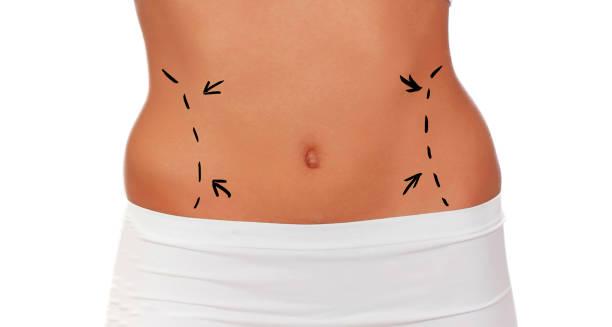
Before surgery, the surgeon identifies and marks the areas planned for treatment. The medical team also reviews the patient's medical history, medications, allergies, previous procedures, and other factors that may affect surgical planning.
Creating Small Incisions
Once the appropriate anesthesia has been administered, small incisions are made in carefully selected locations. A cannula is then inserted through these openings. The surgeon moves the cannula through the targeted fatty tissue in a controlled manner.
Removing Targeted Fat
The cannula is connected to suction equipment that allows loosened fat to be removed from the treatment area. The surgeon carefully controls the amount and location of fat removal to support balanced contours while avoiding unnecessary disruption of surrounding tissues.
Which Areas Can Liposuction Treat?
Abdomen and Waist
The abdomen and waist are commonly considered for body contouring when localized fat creates unwanted fullness. Treatment may focus on improving the transition between the abdomen, sides, and waist while respecting the body's natural proportions.
Thighs and Hips
Localized fat around the thighs and hips can influence the overall silhouette. Depending on anatomy and skin quality, liposuction may be used to refine selected areas and create smoother transitions.
Arms and Back
The upper arms and back can also contain localized fat deposits. Treatment in these areas requires careful planning because excessive removal may affect natural proportions or create uneven contours.
Different Liposuction Techniques
Traditional Liposuction
Traditional liposuction relies primarily on manual cannula movement and suction to remove fat. It remains an established approach and may be appropriate for certain patients and treatment areas.
Tumescent Technique
The tumescent technique involves placing a specialized solution into the treatment area before fat removal. The solution can help prepare the tissues and may reduce bleeding and discomfort during the procedure. Its use and formulation depend on the individual treatment plan.
Energy-Assisted Techniques
Some modern approaches use technologies such as ultrasound or laser energy to assist with fat disruption before removal. These techniques are not automatically suitable for everyone. A qualified surgeon determines whether a particular method is appropriate based on the patient's anatomy and treatment goals.
Who May Be a Candidate?
Localized Fat Deposits
People with specific areas of fat that remain resistant to lifestyle efforts may potentially be candidates for liposuction. The procedure is generally more focused on contour improvement than significant weight reduction.
Overall Health and Expectations
Good general health and realistic expectations are important considerations for elective surgery. A medical evaluation helps identify factors that could increase surgical risks and determines whether liposuction is suitable.
What Happens After Liposuction?
The Recovery Period
Swelling, bruising, tenderness, and temporary changes in sensation can occur after treatment. Recovery varies depending on the number and size of treated areas, the surgical technique, and individual healing.
Gradual Changes
The final contour does not appear immediately. Swelling gradually decreases as the body heals, and the treated areas can continue changing over the following weeks or months. Patients should follow their surgeon's postoperative instructions throughout recovery.
What Results Can You Expect?
For individuals considering Liposuction in Riyadh, results can include a more refined contour in areas where localized fat has been removed. However, outcomes vary according to skin elasticity, anatomy, fat distribution, lifestyle, healing, and other individual factors. Liposuction cannot guarantee a particular body shape or eliminate all future changes.
Maintaining a relatively stable weight can help preserve the body contours achieved through treatment. Although fat cells are removed from treated areas, remaining fat cells can still enlarge if substantial weight is gained.
What Are the Risks?
Understanding Potential Complications
As with any surgical procedure, liposuction carries potential risks. These may include infection, bleeding, fluid accumulation, changes in sensation, contour irregularities, scarring, and complications related to anesthesia. The likelihood of complications depends on several factors.
Why Medical Evaluation Matters
A consultation with a qualified surgeon provides an opportunity to discuss personal risks, expected benefits, recovery, and alternatives. Patients should provide complete and accurate information about their health and medications before treatment.
Choosing the Right Liposuction Approach
The appropriate technique depends on factors such as the treatment area, amount and distribution of fat, skin quality, medical history, and desired contour. Newer technology does not necessarily mean a particular technique is appropriate for every patient.
A personalized assessment allows the surgeon to determine whether liposuction is suitable and which approach may best address the patient's specific concerns.
Book Your Consultation at Royal Clinic Saudia
If you want to learn whether liposuction is appropriate for your body-contouring goals, Royal Clinic Saudia can provide a personalized consultation. A qualified medical professional can assess your treatment areas, explain suitable techniques, discuss recovery and potential risks, and help you understand what to expect from the procedure.

 English
 Arabic
 French
 Spanish
 Portuguese
 Deutsch
 Dutch
Dutch
 Italiano
 Russian
 Romaian
 Portuguese (Brazil)
 Greek
Greek
