
Hashimoto’s Disease: Symptoms, Testing, and Treatment Considerations
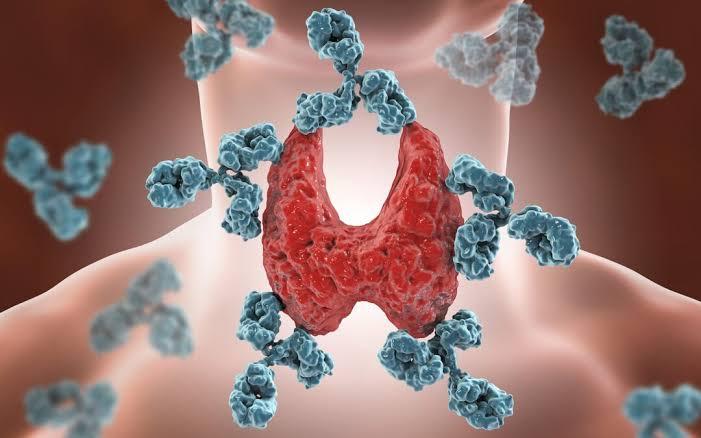
Hashimoto’s disease is an autoimmune condition in which the immune system attacks the thyroid gland. Over time, this can interfere with thyroid hormone production and may contribute to hypothyroidism.
Because symptoms can develop gradually and overlap with other conditions, proper evaluation is important.
What Is Hashimoto’s Disease?
Hashimoto’s thyroiditis is an autoimmune thyroid disorder. The immune system produces an abnormal response involving the thyroid, which can eventually reduce thyroid function.
Some people have thyroid antibodies without obvious symptoms, while others develop symptoms associated with reduced thyroid hormone production.
Common Symptoms
Symptoms can vary from person to person. Possible symptoms include:
-
Fatigue
-
Feeling unusually cold
-
Dry skin
-
Constipation
-
Changes in weight
-
Hair thinning
-
Difficulty concentrating
-
Muscle aches
-
Menstrual changes
-
Low mood
These symptoms are not specific to Hashimoto’s, so they should not be used alone to diagnose the condition.
How Is Hashimoto’s Diagnosed?
Healthcare professionals may consider symptoms, medical history, physical examination, and blood testing.
Tests may include thyroid-stimulating hormone and thyroid hormone measurements. Thyroid antibody testing may also be used when autoimmune thyroid disease is suspected.
A thyroid dysfunction evaluation can help address thyroid-related concerns in a broader clinical context.
Is Hashimoto’s the Same as Hypothyroidism?
Not exactly.
Hashimoto’s is an autoimmune condition that can cause hypothyroidism, but not everyone with Hashimoto’s necessarily has the same degree of thyroid dysfunction at every point in time.
That distinction is one reason laboratory testing and clinical evaluation matter.
Treatment Considerations
Treatment depends on thyroid function and the individual's circumstances. When hypothyroidism develops, thyroid hormone replacement may be prescribed.
Lifestyle factors such as nutrition, sleep, physical activity, and stress management can also be relevant to overall wellbeing, but they should not be presented as replacements for appropriate medical treatment.
Hashimoto’s and Autoimmune Health
Because Hashimoto’s involves an autoimmune process, people with suspected autoimmune thyroid disease may benefit from discussing their broader health history with a qualified healthcare professional.
An autoimmune disease assessment can be considered when there are concerns about autoimmune patterns or multiple related symptoms.
When Should You Seek Medical Care?
Persistent fatigue, significant weight changes, heart-rate changes, temperature intolerance, menstrual changes, or other unexplained symptoms warrant medical evaluation.
People already diagnosed with thyroid disease should follow their clinician's recommendations for monitoring and treatment.
Final Thoughts
Hashimoto’s disease is an autoimmune thyroid condition that can affect thyroid function over time. Symptoms may be subtle, and diagnosis generally requires appropriate clinical assessment and laboratory testing.
A personalized care plan can address thyroid function while also considering the individual's broader health and lifestyle.

 English
 Arabic
 French
 Spanish
 Portuguese
 Deutsch
 Turkish
 Dutch
Dutch
 Italiano
 Russian
 Portuguese (Brazil)
 Greek
Greek
