
How to Prepare for an HIV Blood Test
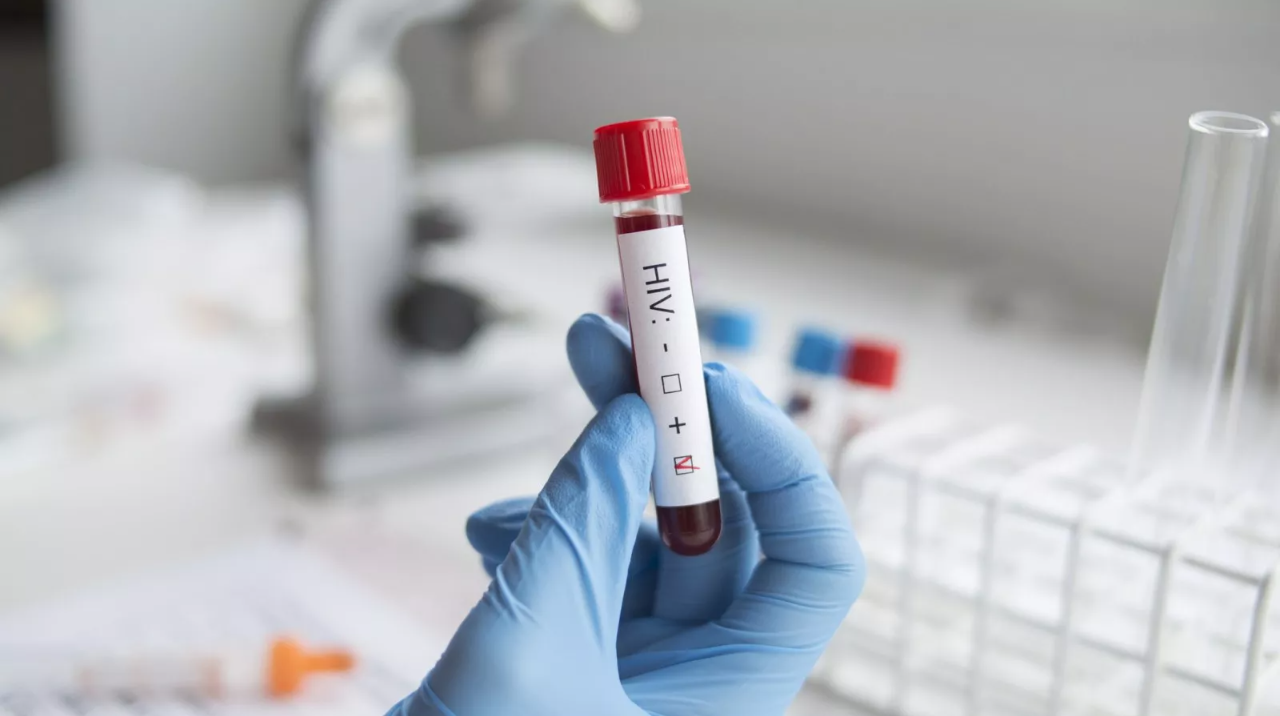
An HIV Blood Test is a straightforward medical test that can help detect evidence of HIV infection. Preparing for the test does not usually require complicated steps, but understanding the testing process can help you feel more comfortable. Knowing why you are testing, when a possible exposure occurred, and what to expect can also make communication with a healthcare professional easier.
For people seeking convenient healthcare services, a Blood test in Dubai can provide access to professional testing in a suitable medical environment. Healthcare professionals can explain the testing procedure, discuss the appropriate timing, and answer questions about preparation, sample collection, and receiving results.
Do You Need Special Preparation for HIV Testing?
Most HIV blood tests do not require complicated preparation. In many situations, you can continue your normal routine before the test. Fasting is generally not necessary simply for an HIV blood test, although different instructions may apply if other blood tests are being performed at the same appointment.
Before visiting the testing facility, it can be helpful to understand what type of test you are having. If you are unsure, ask the healthcare professional about the testing method and whether there are any specific instructions you should follow.
Know Why You Are Getting Tested
Understanding the reason for testing can help you and the healthcare professional discuss the most appropriate approach. Some people have an HIV test as part of routine sexual health screening, while others may seek testing after a possible exposure.
Testing may also be recommended by a healthcare professional based on an individual's circumstances. Regardless of the reason, providing accurate information can help the provider explain the testing process and the expected timing of results.
An HIV Blood Test can provide important information even when a person does not have noticeable symptoms.
Consider the Timing of a Possible Exposure
If you are getting tested because of a possible HIV exposure, try to remember approximately when the exposure occurred. The date can be useful because HIV tests do not all detect infection at the same stage.
Testing too soon after a possible exposure may produce a negative result even when an infection has occurred. This is because the markers detected by a particular test may not yet be present at detectable levels.
A healthcare professional can explain whether testing at that time is appropriate and whether another test may be recommended later.
Understanding the Window Period
The window period refers to the time between possible infection and when a particular HIV test can reliably detect evidence of infection.
The length of this period varies depending on the testing method. This is why the timing of an HIV Blood Test should be considered when interpreting a result.
If you have recently experienced a possible exposure, discuss the timing with a qualified healthcare professional instead of relying on a test performed too early.
What Should You Tell the Healthcare Professional?
You do not need to provide unnecessary personal information, but relevant health information can help the healthcare professional provide appropriate guidance.
If there has been a possible exposure, you can explain approximately when it happened. You can also mention whether you have previously been tested and, if relevant, when your last test took place.
If you are taking medications or receiving treatment for another condition, provide information when it is relevant to your healthcare. The provider can then determine whether any additional guidance is needed.
What Happens During the Blood Test?
An HIV blood test generally involves collecting a small sample of blood. A healthcare professional will prepare the collection area and use a sterile needle to obtain the sample.
The blood is then placed into an appropriate collection tube and handled according to the testing procedure. Depending on the test, the sample may be analyzed in a laboratory or processed through an appropriate testing system.
The collection process usually takes only a short amount of time. You may feel a brief pinch when the needle is inserted, but the procedure is generally simple.
Should You Drink Water Before Testing?
Staying normally hydrated can make blood collection easier for some people. Drinking water as part of your usual routine may help when a blood sample needs to be collected.
However, there is usually no need to drink an excessive amount of water specifically for an HIV test. Follow any instructions provided by the healthcare facility, particularly if you are having several tests during the same appointment.
What Happens After the Test?
After the sample has been collected, the healthcare provider will explain when you can expect your results. The timeframe can vary depending on the testing method and whether the sample needs to be analyzed by a laboratory.
You can also ask how the results will be communicated. Understanding the process beforehand can make it easier to know what to expect after the appointment.
If additional testing is needed, the healthcare professional can explain why it is recommended.
Understanding a Negative HIV Test
A negative HIV test generally means that the test did not detect evidence of HIV in the sample at the time it was analyzed.
However, a negative result obtained too soon after a possible exposure may not completely rule out a recent infection. Depending on the testing method and timing, repeat testing may be recommended.
This is why discussing the timing of your test with a healthcare professional is important when there has been a recent possible exposure.
What If the Result Is Reactive?
A reactive screening result does not automatically mean that HIV infection has been confirmed. Additional testing is generally required to determine whether the reactive result represents an actual infection.
If you receive a reactive result, follow the instructions provided by your healthcare professional. They can explain the recommended follow-up process and help you understand what happens next.
Avoid making conclusions based only on an initial screening result.
Is HIV Testing Confidential?
HIV testing involves sensitive health information, so confidentiality is an important consideration for many people. A professional healthcare setting can provide an appropriate environment for discussing testing and results.
Before testing, you can ask the provider about how your information and results are handled. Healthcare professionals can also explain the process and answer questions you may have about privacy.
What If You Are Nervous About the Test?
Feeling nervous before a blood test is common. Understanding the procedure can help reduce uncertainty. The healthcare professional can explain what they are doing before collecting the sample.
If you are uncomfortable with needles or blood collection, let the healthcare professional know. They can help you remain comfortable throughout the procedure.
Remember that the blood collection itself is generally quick, and the healthcare team can answer questions before the sample is taken.
When Should You Seek Medical Advice?
If you believe you may have been exposed to HIV recently, seek professional medical advice promptly. Testing immediately after exposure may not detect a recent infection, and some prevention options are time-sensitive.
A healthcare professional can explain appropriate testing, possible repeat testing, and other relevant healthcare options based on your circumstances.
Final Thoughts
Preparing for an HIV Blood Test is usually simple and does not require complicated steps. Knowing the reason for testing, understanding the timing of a possible exposure, and discussing your concerns with a qualified healthcare professional can help you approach the process with greater confidence. The type of test and timing can affect how results are interpreted, particularly after a recent possible exposure. If you have concerns about HIV, professional testing and medical guidance can help you understand the appropriate next steps.

 English
 Arabic
 French
 Portuguese
 Deutsch
 Turkish
 Dutch
Dutch
 Italiano
 Russian
 Romaian
 Portuguese (Brazil)
 Greek
Greek
