
How Poor ESM Can Lead to Catastrophic Disasters
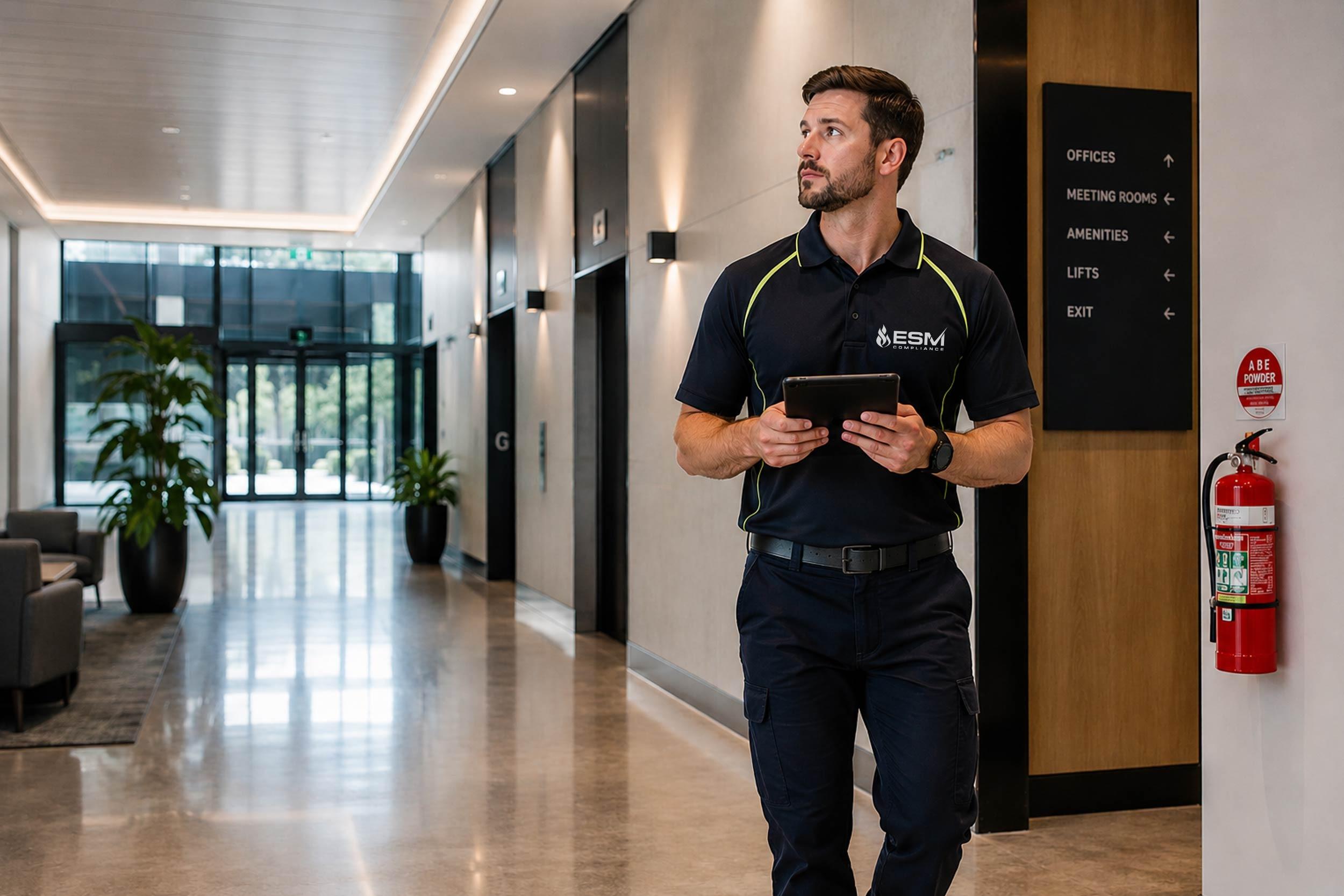
A fire can begin with something as small as a discarded cigarette, an electrical fault, or an overheated appliance. Whether that incident becomes a contained emergency or a catastrophic building disaster often depends on the condition of the property’s essential safety measures. If alarms fail, fire doors do not close, sprinklers are inoperable, or exits are obstructed, occupants may lose the critical time needed to escape.
What ESM covers
Essential safety measures include the systems and building features designed to prevent, detect, control, or assist evacuation during an emergency. Depending on the property, these may include:
-
Smoke alarms and fire detection systems.
-
Sprinklers, hydrants, hose reels, and fire pumps.
-
Emergency lighting and exit signs.
-
Fire-rated doors and fire-isolated exits.
-
Smoke control and stairwell pressurisation systems.
-
Fire extinguishers and evacuation equipment.
These systems are only effective when they are inspected, tested, maintained, repaired, and properly documented. A neglected system can create a false sense of security because equipment may appear to be present while failing when it is needed.
The Neo200 tower fire
The 2019 Neo200 apartment fire in Melbourne demonstrates how inadequate maintenance can worsen the consequences of a fire. A discarded cigarette ignited combustible external cladding, allowing flames to spread rapidly up the building. Fire authorities had previously raised concerns about the cladding, balcony sprinkler coverage, and falling debris risks.
Following the fire, reports identified serious problems with essential safety measures, including non-functioning alarms and inoperable or poorly maintained systems. Residents were unable to return for an extended period while fire pumps, sprinklers, smoke alarms, and other emergency systems were assessed and repaired.
A Victorian Government building-reform report later stated that inadequate maintenance of ESMs contributed to the substantial fire damage at Neo200. It also identified wider issues in Victorian buildings, including fire hoses not connected to water supplies, non-compliant fire doors, and insufficient fire exits.
The Lacrosse apartment fire
The 2014 Lacrosse Tower fire in Melbourne began when a cigarette ignited combustible material on a balcony. The fire travelled rapidly up the building’s external cladding, spreading across multiple levels in a short time. The incident drew national attention to the use of non-compliant aluminium composite panels and the limitations of relying on building approvals without ongoing risk management.
The fire was not simply a maintenance failure. It involved materials, design decisions, compliance processes, and building-control issues. However, it showed that a building’s safety depends on more than installing equipment during construction. Owners and managers must understand how existing hazards interact with fire detection, evacuation, suppression, and access systems.
Why neglect creates greater danger
Poor essential services maintenance can affect a building in several ways. A failed smoke alarm may delay detection. A defective fire door may allow smoke and flames to enter an escape route. A blocked exit can prevent residents from leaving safely, while a faulty sprinkler or fire pump may allow a small fire to grow unchecked.
The danger is often increased by incomplete records. If inspection reports are missing, defects are not assigned to a responsible person, or repairs are repeatedly postponed, building managers may believe a problem has been addressed when it has not. Maintenance must therefore include both physical testing and reliable documentation.
Prevention is less costly than recovery
The financial consequences of poor ESM management can be severe, including emergency repairs, evacuation costs, insurance disputes, legal action, loss of rental income, and damage to the building’s reputation. More importantly, a preventable failure can place residents, workers, firefighters, neighbouring properties, and the wider community at risk.
Owners and facility managers should schedule regular inspections, use qualified contractors, retain service records, and close out defects promptly. They should also review whether systems remain suitable after renovations, changes in occupancy, or alterations to the building.
Final thoughts
The Neo200 and Lacrosse fires show that catastrophic outcomes can develop when combustible materials, inadequate controls, and neglected safety systems overlap. ESM compliance is not a paperwork exercise; it is an ongoing responsibility that helps ensure alarms, exits, fire doors, sprinklers, and emergency systems work when lives depend on them.
For reliable inspections, repairs, and ongoing support, ESM Compliance helps Australian building owners and managers maintain essential safety measures and address defects before they become disasters.

 English
 Arabic
 French
 Spanish
 Portuguese
 Deutsch
 Turkish
 Dutch
Dutch
 Italiano
 Russian
 Portuguese (Brazil)
 Greek
Greek
